

Have you ever wondered why sheer willpower rarely keeps your daily habits on track for good? What if true transformation happens far below conscious thought? Understanding subconscious habit change reveals why old routines persist despite your best efforts and uncovers how real, lasting change is built. In this comprehensive guide, you'll unlock the science behind automatic routines, discover proven strategies to rewire your subconscious mind, and learn how to make positive changes that finally stick.
Can Your Subconscious Mind Outperform Willpower? Unlocking the Secrets of Subconscious Habit Change
Most people believe that changing daily habits is simply a matter of setting conscious goals and using willpower. Yet, research and everyday experience tell a different story: we often fall back into automatic routines even when we desperately want to make lasting changes. The subconscious mind governs the majority of our habitual actions, causing us to repeat the same patterns, whether productive or destructive. This is because the brain is wired to conserve effort, relying on deeply etched neural pathways that control routine behavior without needing constant conscious thought.
The good news is that subconscious habit change is possible—and far more effective than relying purely on willpower. By understanding how the subconscious works, you can start to transform daily actions at the root level, making new behaviors automatic and sustainable. Leading experts, from Bruce Lipton to Charles Duhigg, have highlighted how critical it is to rewire your subconscious if you want to make habits stick long-term. Whether your goal is to exercise regularly, eat healthier, or become more productive, tapping into subconscious processes unlocks opportunities for profound transformation. Continue reading to discover how subconscious habit change really works, why it’s essential, and how you can harness its power starting today.
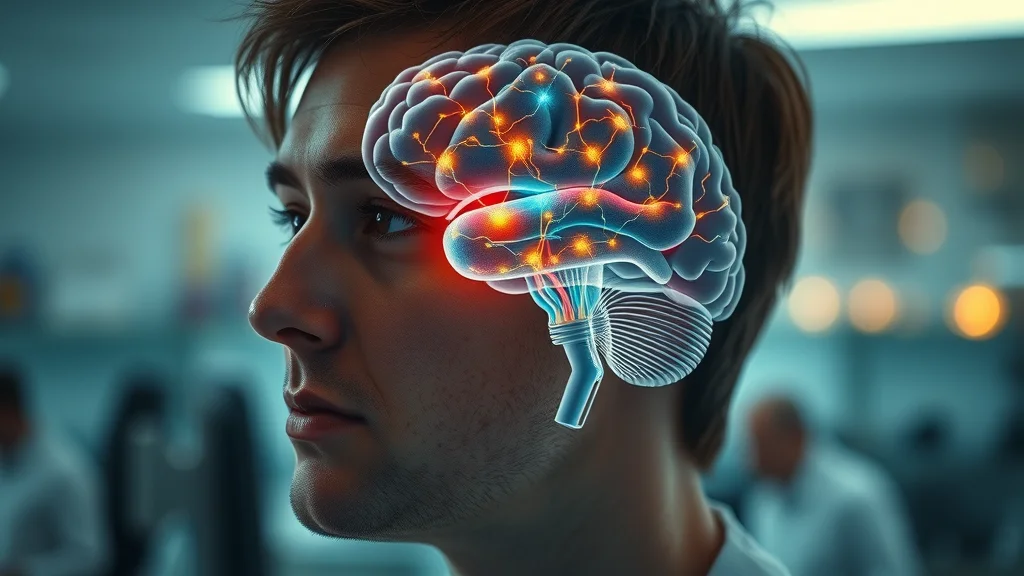
What You'll Learn: Transforming Daily Habits with Subconscious Habit Change
- The science behind subconscious habit change
- How the subconscious mind governs automatic routines
- Techniques for rewiring neural pathways to create new habits
- The connection between conscious mind and daily habit formation
- Practical steps to break unwanted subconscious habits
Understanding Subconscious Habit Change: A Deep Dive into the Subconscious Mind
How the Subconscious Mind Shapes Automatic Routines in Daily Habits
Your subconscious mind is a silent architect, tirelessly building and reinforcing automatic routines throughout your day. These routines—brushing your teeth, making coffee, or checking your phone—happen with minimal effort because your brain works behind the scenes, processing them as second nature. The way habits form stems from your brain’s desire to automate repeated actions, freeing your conscious mind for more complex problem-solving. In fact, up to 95% of our daily habits run on these subconscious loops, leaving us susceptible to both positive and negative influences without realizing it.
Automatic behaviors arise as feedback loops: each action is triggered by environmental cues or emotional states and reinforced by rewards. For example, reaching for a snack when stressed is not always a conscious decision—it’s a subconscious habit formed by repeated response to a specific feeling. By recognizing this, you can begin to pay attention to the cues that ignite your routines and start disrupting patterns that no longer serve you. Understanding this separation between conscious and subconscious actions is the first step in shifting your daily habits for long-term success.
As you explore the mechanisms behind subconscious habit change, it’s valuable to consider how different mind-training techniques can influence these processes. For instance, understanding the distinctions between hypnosis and meditation can offer practical insights into which approach might best support your journey toward automatic, positive routines. Learn more about the unique roles of hypnosis and meditation in shaping subconscious habits and how each can be integrated into your daily practice.
Distinguishing Between the Conscious Mind and Subconscious Mind in Habit Formation
Though often used interchangeably, the conscious mind and subconscious mind play fundamentally different roles in habit formation. The conscious mind manages deliberate actions, critical thinking, and short-term memory. It’s responsible for setting conscious goals and making intentional decisions, like deciding to create new habits or break old ones. However, this part of your mind faces limitations—it tires easily, is easily distracted, and must exert significant effort to maintain focus on new behaviors.
In contrast, the subconscious mind operates beneath the surface of awareness, tirelessly managing established automatic routines without your direct attention. Over time, repeated actions drop from deliberate effort into subconscious control, aided by the formation of neural pathways that make these routines effortless. Recognizing when you’re operating on "autopilot" can be eye-opening. It’s a reminder to use your conscious awareness as the initial spark for changing habits, but to rely on subconscious embedding for lasting change.
The Science of Habit Formation: Neural Pathways, Subconscious Habit, and Automatic Routine
The Role of Neural Pathways in Subconscious Habit Change
At the core of subconscious habit change are the brain’s neural pathways—physical connections that strengthen whenever a behavior is repeated. The famous phrase, "neurons that fire together wire together," captures this well. When you consistently perform a certain daily habit, like taking a morning walk, the brain creates rapid-fire networks dedicated to that routine. Over time, these pathways become the "default" mode, requiring less conscious energy to execute. That’s why automatic routines feel so effortless: they’re embedded in your mental wiring.
This process is influenced by powerful feedback loops: each successful repetition sends positive signals, while failed attempts cause the brain to seek alternative cues or rewards. To truly rewire your subconscious, you must not only repeat new behaviors but also disrupt old patterns and introduce different triggers. This requires a blend of conscious intent and subconscious adaptation, with science indicating that substantial neural rewiring occurs through focused mental rehearsal as much as through real-life action. Keeping this in mind can help you approach subconscious habit change with patience and strategy.
Automatic Routines: How Subconscious Habits Become Daily Habits
When behaviors transition from conscious effort to seamless automatic routines, your daily life becomes governed by actions you hardly notice. These routines can span from positive habits—like preparing healthy meals—to less desirable ones, like procrastination. The process starts with a trigger, which can be internal (a feeling) or external (a time or place), followed by the behavior itself, and finally, a reward. This feedback loop is central to how habits form and are maintained subconsciously.
By understanding this model, it becomes clear why breaking unwanted habits is difficult: unless the underlying cues and rewards are addressed, the subconscious mind will continue its established pattern. However, targeting these elements provides a roadmap for transformation. You can start to replace automatic responses with more intentional, positive behaviors—slowly shifting your habit formation away from negative patterns and toward your conscious goals.

Why Create New Habits? The Power of Subconscious Habit Change for Lasting Results
How to Create New Habits That Stick: Moving from Conscious Effort to Subconscious Routine
Building new, healthier habits goes far beyond temporary patches or willpower sprints. The secret is to create new habits that become automatic routines—ones that your subconscious mind manages with ease. The best way to ensure these routines stick is to start with clear, simple actions tied to obvious cues and immediate rewards. For instance, placing your workout clothes by the bed signals your morning exercise intent, while rewarding yourself afterwards reinforces that behavior.
Consistency transforms conscious effort into subconscious routine. The more frequently you perform an action in response to a trigger, the more deeply your brain engrains it. Over weeks and months, repetition and reward carve durable neural pathways, delegating the behavior to your subconscious. Eventually, the daily habit runs on autopilot, freeing conscious mental bandwidth for new challenges. This seamless transfer is how lasting change truly occurs—and is why subconscious habit change far outpaces sheer willpower in building the life you want.
Common Mistakes in Habit Formation and How Subconscious Habit Change Provides Solutions
A common pitfall in trying to change daily habits is underestimating the role of environmental cues and over-relying on conscious effort. People often set ambitious goals but overlook the triggers built into their daily environment—making slipping back into old routines likely. Another mistake is expecting instant results; real subconscious habit change takes repetition, feedback, and patience. Attempting to change too much at once also overwhelms the conscious mind, causing frustration and relapse.
The solution lies in focusing on one habit at a time, using environmental modifications, and creating strong feedback loops to solidify new behaviors. For instance, replacing a nightly social media scroll with a book—while placing your phone in another room—helps remove negative influences and makes the positive routine automatic. By understanding these pitfalls and harnessing behavior science, you’ll make lasting improvements more easily and avoid getting stuck in the same cycle of constant conscious "trying" without progress.
"Behavior is always a function of the person and the environment." – Kurt Lewin
The Subconscious Mind vs. the Conscious Mind: Which is Truly in Control?
Exploring the Conscious Mind: its Limits in Daily Habit Change
The conscious mind is powerful for setting intentions and initiating change, but it quickly runs up against its natural limits. It manages only a small handful of tasks at a time, is easily distracted, and cannot sustain effort for extended periods. This explains why so many New Year’s resolutions and ambitious plans fall short: after the initial enthusiasm, conscious effort fades, and old automatic routines reclaim center stage.
Realizing these limitations is liberating. Instead of feeling guilty over lapses in willpower, you can lean into strategies that work with, not against, your brain's natural wiring. This shift in perspective allows you to use conscious goal-setting as a springboard, but not to depend on it exclusively for deep, lasting change.
How the Subconscious Mind Drives Automatic Routines and Habitual Behaviors
If the conscious mind is the spark, the subconscious mind is the engine that keeps habit formation running long after motivation wanes. The subconscious specializes in storing and executing routines with impressive precision, allowing you to multitask and navigate the world efficiently. This part of your mind doesn’t analyze or critique; it simply repeats behaviors ingrained through repetition and feedback.
Every time you perform a behavior—whether mindful or automatic—the subconscious records the outcome, cementing successful patterns and seeking to avoid negative ones. This is why focusing on positive triggers and rewards is crucial for successful subconscious habit change. The more you can align your routines with authentic motivations and rewards, the more your subconscious will take over and new automatic habits will flourish.
Subconscious Habit Change Techniques: Harnessing the Power of Mental Repetition
To successfully rewire your subconscious mind, repeated mental rehearsal is just as important as physical repetition. Visualization—mentally practicing your desired habit or outcome—engages the same neural circuits as actually performing the act, allowing your subconscious to begin embedding the new routine. This technique, championed by high performers and athletes, primes the brain for action and smooths the shift from conscious goal to automatic behavior.
Affirmations further support this process by anchoring positive beliefs about your ability to change. By consistently repeating empowering statements, you can counteract limiting beliefs and reinforce alignment between conscious intent and subconscious programming. These practices, combined with frequent repetition in real life, form the foundation of effective subconscious habit change.

How to Change Subconscious Habits: Step-by-Step Process for Subconscious Habit Change
- Identify the automatic routine
- Uncover the associated subconscious triggers
- Replace with conscious cues
- Reinforce through repetition and rewards
- Monitor progress and make adjustments
Begin by observing your own automatic routines in daily life—what actions do you complete mindlessly? Next, use time to reflect and pinpoint the stimuli or emotions that typically trigger these habits. With awareness, introduce new, conscious cues to break the pattern, such as a reminder to stretch during a work break instead of scrolling your phone. By coupling these changes with positive reinforcement—like tracking streaks or rewarding yourself for consistency—you strengthen new feedback loops in your subconscious. Continual monitoring ensures you adapt and optimize as new routines solidify, making habit change not only possible but lasting.
"Until you make the unconscious conscious, it will direct your life and you will call it fate." – Carl Jung
Implementing Daily Habit Changes: Practical Strategies for Subconscious Habit Change
Using Visualization and Affirmations to Engage the Subconscious Mind
Engaging your subconscious mind is critical for making habit change automatic. Visualization, or mentally walking through a new habit from start to finish, utilizes the same neural pathways as real-life practice. For instance, imagine yourself going through each step of your morning workout: putting on shoes, starting the exercise, feeling energized at the finish. This primes your mind for the real behavior, reducing resistance and increasing follow-through.
Affirmations add another layer: regularly speaking, writing, or listening to positive statements (like "I am someone who enjoys healthy routines") helps counter negative influences and limiting beliefs. This consistent mental repetition accelerates the transfer of conscious goals to subconscious action, so new behaviors eventually run on autopilot.
Setting Up Your Environment for Automatic Routines and Daily Habits
Environment greatly shapes subconscious habit formation. Small adjustments—like prepping healthy snacks, keeping workout gear visible, or setting water reminders—create frictionless pathways to new routines. By deliberately designing your space, you ensure that cues for good habits are obvious while those for unwanted behaviors are hidden or inconvenient. This method leverages your brain’s preference for the easiest option, amplifying your chances of consistent, positive action.
Think of your environment as the silent partner in habit formation. It provides subtle nudges that, when repeated, speed up the process of shifting routines from conscious effort to subconscious automaticity. Over time, you’ll find yourself engaging in healthier behaviors without extra thought.
Tracking Progress in Subconscious Habit Formation: Data-Driven Approaches
Tracking your efforts brings subconscious patterns into awareness and helps sustain change. Using habit trackers, journals, or digital apps to log daily routines uncovers patterns, reveals what works, and highlights when relapse might occur. This creates a feedback loop—each recorded success motivates you, while setbacks provide clues for necessary adjustments.
Adopting a data-driven mindset makes subconscious habit change tangible. Seeing progress visually reinforces new neural pathways and solidifies automatic routines. Celebrate small wins and use setbacks as opportunities to refine triggers, rewards, or environmental cues for even stronger outcomes.

Automatic Routines and the 3-3-3 Rule: Mastering Subconscious Habit Change
What is the 3-3-3 Rule for Habits?
The 3-3-3 rule is a simple, actionable approach to building new automatic routines—especially effective in subconscious habit change. The rule suggests that to solidify a new habit, you should focus on: One habit for three minutes at a time Practice it three times a day Maintain this consistency for at least three weeks This approach leverages neural pathways by providing frequent, manageable exposure to the behavior, allowing your subconscious mind to embed the action efficiently. It’s especially useful for those seeking to make lasting changes without overwhelming their conscious mind with excessive effort or complexity. Applying the 3-3-3 Rule to Daily Habits for Successful Subconscious Habit Change To apply the 3-3-3 rule to your own daily habits, start by selecting one positive behavior you wish to automate—like practicing gratitude, a breathing exercise, or a healthy snack swap. Allocate three minutes to focus on this action during natural breaks in your day, repeating it three times. Track your progress for three weeks using a journal or digital app. With each repetition, neural pathways associated with the habit strengthen, and your subconscious begins to favor this new, beneficial routine over previous automatic behaviors. Consistency is the secret ingredient. Each time you complete a 3-minute session, you reinforce both the trigger and the reward your brain expects, making it easier to sustain momentum and avoid relapse. Over time, what started as a conscious goal becomes a seamless, automatic part of your lifestyle—demonstrating the power of subconscious habit change. Breaking Bad Subconscious Habits: Overcoming Resistance and Relapse How Long Does It Take to Break a Subconscious Habit? Evidence-Based Insights There’s no universal answer to how long it takes to break a subconscious habit, as it depends on the behavior’s complexity, your motivation, and the strength of existing neural pathways. However, research suggests that consistent effort over 21 to 66 days is often needed for a new habit to become automatic. This time frame allows the subconscious mind to overwrite old routines with positive ones, embedding them through repetition and favorable feedback. Remember, lasting change is a process—progress may be gradual, and occasional setbacks are normal parts of habit formation. Patience and self-compassion are key. Use this period to reinforce your conscious goals with supportive routines and resist the urge to judge yourself for occasional relapses. Every repetition brings you closer to fully automated, positive behaviors. Strategies to Prevent Subconscious Habit Relapse and Sustain Change Guarding against relapse requires foresight and proactive strategies. First, identify your "danger zones"—times, places, or emotional states that typically trigger lapses into old routines. Next, prepare alternative responses and supportive cues ahead of time. Social accountability, such as sharing your intentions with a friend or support group, can create beneficial feedback loops. Progress tracking, rewards, and ongoing reflection reinforce change and help catch slips early before they spiral into full-blown relapse. By viewing setbacks as learning opportunities and continuously refining your environment and routines, you can achieve sustainable subconscious habit change. Remember, practice and patience are your strongest allies in this lifelong process. "Change might not be fast and it isn't always easy. But with time and effort, almost any habit can be reshaped. " – Charles Duhigg Comparison of Conscious Mind vs. Subconscious Mind in Habit Change: Aspect Conscious Mind Subconscious Mind Awareness High Low Effort Required High initially Low once established Control Deliberate Automatic Role in Habit Initiates change Sustains routine Symptoms of Subconscious Anxiety Impacting Habit Formation What are the Symptoms of Subconscious Anxiety? Subconscious anxiety often manifests as subtle physical or behavioral changes that interfere with daily habits and automatic routines. Symptoms can include constant restlessness, difficulty relaxing even during routine activities, unexplained irritability, increased forgetfulness, repetitive actions, or avoidance of certain daily actions. You might notice tension in your body or negative emotional reactions to familiar environments without understanding why. Recognizing these patterns is the first step in identifying anxiety rooted deep within the subconscious mind. How Subconscious Anxiety Sabotages Daily Habits and Automatic Routines When subconscious anxiety is present, it can hijack your automatic routines in subtle but powerful ways. You may find yourself procrastinating, engaging in comfort habits (like overeating or scrolling your phone), or failing to stick with positive routines despite clear conscious intention. This is because anxious feelings often activate old neural pathways and feedback loops, pulling you back into familiar but unhelpful behaviors as coping mechanisms. To counteract this, focus on cultivating self-awareness and introducing calming, positive triggers for your routines. Mindfulness, physical activity, and supportive social interactions all disrupt negative patterns and help anchor your habit change to more stable emotional foundations. Over time, these new cues and behaviors become the preferred pathways for your subconscious mind. Case Studies: Real-Life Examples of Subconscious Habit Change in Daily Habits How Professionals and Individuals Transformed Daily Habits Through Subconscious Habit Change Real people have achieved remarkable transformations by embracing subconscious habit change. For example, a busy professional struggling with constant snacking identified emotional stress as the subconscious trigger. By creating a new automatic routine—breathing deeply and drinking water when stress arose—she gradually replaced mindless eating with a healthier alternative. Positive feedback and tracking her progress helped cement this routine over several weeks. Another case involved an athlete using visualization to rebuild confidence after injury. By repeatedly imagining each step of practice and competition, he strengthened the associated neural pathways, helping his subconscious mind relearn positive routines and eventually returning to top form. These stories illustrate that with the right strategies and a willingness to look beneath the surface, anyone can harness the power of subconscious habit change for meaningful, lasting results. Short explainer video: Animated sequence shows how daily life actions, such as reaching for coffee or sitting at a desk, become subconscious automatic habits, transitioning seamlessly into visual depictions of neural pathways lighting up to reinforce the scientific connection. Modern motion graphics, upbeat background music. FAQs: Answering Your Top Questions About Subconscious Habit Change Can subconscious habit change help with breaking addiction? Yes, subconscious habit change is critical in overcoming addiction because addictive patterns are often maintained by deep-seated automatic routines and triggers. Rewiring these routines—by identifying cues, replacing responses, and reinforcing new behaviors—helps disrupt old neural pathways and can lead to sustainable recovery. Combining subconscious reprogramming with conscious support strategies creates a powerful foundation for breaking even long-standing addictive cycles. How do I know if a habit is rooted in my subconscious mind? Signs that a habit is lodged in your subconscious mind include performing the behavior automatically, struggling to stop even when you intend to, and only becoming aware of the routine after it’s completed. These actions feel "natural" or almost involuntary. Bringing attention to the triggers and emotions that precede these habits will help you identify which daily actions are truly subconscious. Is it possible to create new habits without willpower? Absolutely. While willpower is helpful for initiating change, real sustainability comes from making the habit automatic through repetition and subconscious embedding. By leveraging environmental cues, rewards, and consistent practice, you can create new habits that no longer require conscious effort to sustain—a core principle of subconscious habit change. What daily habits lead to successful subconscious habit change? Habits that support subconscious change include setting clear cues (like time or place), practicing mindfulness, using habit tracking, engaging in regular visualization or affirmations, and celebrating small wins. Each of these strategies builds strong feedback loops in your subconscious, steadily transforming conscious effort into effortless automatic routines. Key Takeaways: Designing Your Life with Subconscious Habit Change Subconscious habit change is rooted in understanding automatic routines. The subconscious mind sustains long-term change, whereas the conscious mind initiates it. Habit formation hinges on neural pathways and repetition. Practical, evidence-based strategies help cement new daily habits. Start Your Journey: Apply These Subconscious Habit Change Techniques Today Lasting transformation begins by understanding and harnessing your subconscious mind. Start small, stay consistent, and watch your automatic routines evolve! If you’re inspired to take your understanding of subconscious habit change even further, consider exploring how mind-body practices and advanced self-awareness techniques can accelerate your progress. Delving into topics like the science of hypnosis, the nuances of meditation, and the interplay between conscious and subconscious states can open up new pathways for personal growth. By broadening your toolkit with these approaches, you’ll be better equipped to design habits that align with your deepest values and long-term goals. For a deeper dive into the differences and benefits of these transformative practices, discover how hypnosis and meditation each uniquely support habit change and mental well-being.



Write A Comment