

Have you ever wondered if you could unlock your own mind to achieve deep focus, personal change, and greater well-being—all without outside help? Learning self hypnosis is not only possible but an empowering lifelong skill that can fuel your journey toward personal growth, healthier habits, and lasting mental wellness. Whether you’re seeking stress relief, habit change, or enhanced motivation, understanding how to learn self hypnosis puts transformative tools directly into your hands.
Unlocking the Mind: Why Learn Self Hypnosis?
Self hypnosis is gaining attention as a trainable mindset skill with numerous potential benefits. Unlike stage hypnosis or the dramatic portrayals in a hypnosis show, learning self hypnosis is about creating a relaxed state where you can guide your own thoughts and emotions. This process allows you to shape positive thought patterns, promote personal growth, and even address habits like stress and weight loss. Most importantly, it empowers you to take charge of your subconscious mind and become an active participant in your mental health journey.
When you learn self hypnosis, you tap into your brain’s suggestible state—similar to that restful, focused place just before you fall asleep or first wake up. This hypnotic state is not about losing control; rather, it’s about enhancing focus and finding a sense of command over your desires, blockages, and goals. If you’re ready to achieve real, lasting changes in your life, mastering the skill to learn self hypnosis should be part of your personal toolkit.
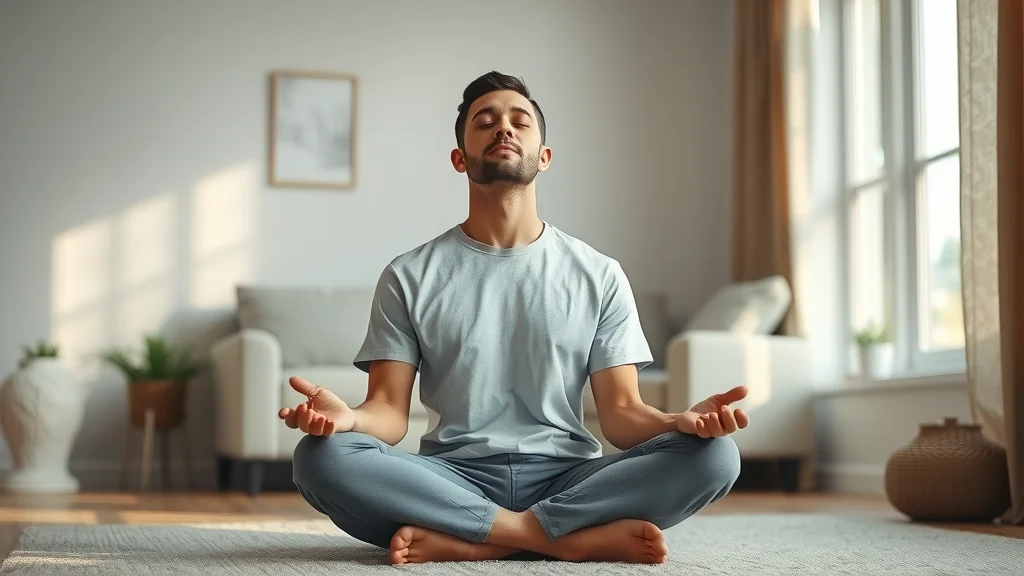
What is Self Hypnosis and How Can You Learn Self Hypnosis?
Self hypnosis, at its core, is a focused, intentional process for entering a relaxed yet mentally alert state—sometimes called a trance state or hypnotic trance. In this state, you become more receptive to suggestions aimed at personal change. Unlike being under someone else’s control, self hypnosis lets you direct your own thoughts and intentions to achieve outcomes like pain relief, healthy habits, and clearer thought patterns. To learn self hypnosis, you will need a basic understanding of techniques like guided imagery, deep breathing, and positive suggestions, all of which can be honed through regular hypnosis sessions or audio guides.
Anyone can start to learn self hypnosis using several methods: following a written script, listening to guided hypnosis recordings, or working with experienced resources from books and online courses. The key is consistency and a willingness to practice, as this skill becomes more effective over time for driving meaningful, positive change in your life.
As you explore the process of learning self hypnosis, you might find it helpful to understand how it compares to other popular mind-training practices. For a deeper look at the distinctions and similarities between self hypnosis and meditation, consider reading this comprehensive guide on hypnosis versus meditation, which can clarify which approach best suits your personal growth journey.
Dispelling Myths: The Truth About Learning Self Hypnosis Versus Entertainment Hypnosis
Entertainment hypnosis, such as what you’d see in a hypnosis show, often creates the false impression that hypnosis is about control and spectacle. However, learning self hypnosis is quite different. It is not about surrendering your will or losing consciousness. Instead, you guide yourself into a relaxed, focused state where you have more control over your thoughts and emotions—not less. In clinical and self-development settings, self hypnosis has been shown to help with pain relief, negative thoughts and emotions, and even therapeutic support for mental health.
Understanding the distinction between the popular myths and the scientific, practical use of learning self hypnosis is essential. By demystifying the process, you can approach the skill with confidence and clarity, free from the misconceptions that often surround it in the media and entertainment industry.
What You'll Learn by Mastering Self Hypnosis
- The foundational techniques to learn self hypnosis
- How to perform self hypnosis for personal goals
- Potential benefits and applications for everyday life
- Common misconceptions and the scientific perspective
The Science Behind Learning Self Hypnosis
Self hypnosis is not just a psychological practice; it is firmly rooted in science. The hypnotic state alters brainwave activity, helping to shut out distractions and enhance your suggestibility for positive change. Research shows that regular hypnosis sessions can affect the brain’s processing of pain and negative thought patterns, making it a valuable tool for both mind and body. Neuroscientific studies have observed shifts in awareness and attention during trance states, supporting the use of self hypnosis for mental health strategies and personal growth goals.
Learning self hypnosis involves activating the brain’s default mode network where relaxation, creativity, and focused inward attention come together. This explains why self hypnosis can be an effective route for addressing stress, habits, and even physical symptoms when guided correctly. With credible resources and consistent effort, mastering self hypnosis can be accessible to almost anyone seeking better control over their mental and physical wellbeing.
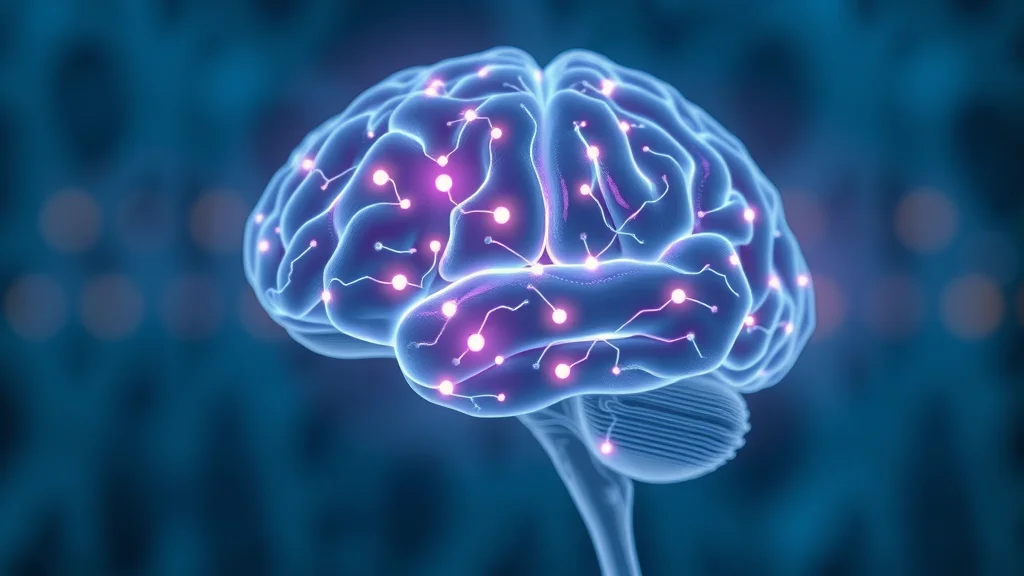
The Neuroscience of Hypnotic States
Hypnotic states are marked by unique brainwave activity, including increased alpha and theta waves that signal relaxation and focused attention. During self hypnosis, the brain’s prefrontal cortex—responsible for logic and decision making—becomes less active, while areas linked to imagination and memory are heightened. This shift creates an environment where you can effectively address negative thoughts and implement positive self-suggestions. Learning self hypnosis involves leveraging the brain’s natural capacity for focused, relaxed attention, fostering greater control over subconscious thought patterns and emotions.
Recent research explores how hypnosis sessions can promote pain relief, reduce anxiety, and foster healthy mental routines. When you learn self hypnosis, you’re not only guiding your thoughts but also encouraging your brain to re-wire habitual negative thought loops, making positive change more sustainable over time.
Research-Backed Methods to Learn Self Hypnosis
The best way to learn self hypnosis is through stepwise, research-backed methods. Clinical studies highlight the effectiveness of regular practice, using scripts or audio guidance, and reflective journaling after sessions to reinforce learning. Structured approaches, such as relaxation and focus exercises followed by personalized suggestions, increase the chances of noticing improvement, whether your goal is stress management or developing potential benefits like healthier morning routines or weight loss.
Moreover, scientific evidence supports using mindfulness, guided imagery, and intention-setting as pillars for successful self hypnosis. These methods offer a comprehensive foundation to maximize the potential benefits of each hypnosis session and create lasting, positive shifts in thoughts and behaviors.
Essential Steps: How to Learn Self Hypnosis
- Setting a Clear Intention for Self Hypnosis: Know precisely what goal or change you want—whether it’s to relieve stress, improve self-confidence, or support weight loss. A focused intention enhances the effectiveness of your hypnosis session.
- Creating a Suitable Environment: Find a quiet, comfortable space free from distractions. Your mental state improves when your surroundings are calm and conducive to a relaxed state.
- Relaxation and Focus Techniques: Use deep breathing, muscle relaxation, or gentle counting to guide yourself toward a state of calm focus. This primes your mind for the suggestible state necessary in self hypnosis.
- Guided Imagery and Suggestion Principles: Visualize a goal or positive change, and repeat affirming phrases. This step leverages the subconscious mind to foster personal growth and new thought patterns.
- Re-Entry and Reflection: Gently return to full awareness after each session, and take a few moments to reflect on your experience. Journaling thoughts and emotions can reinforce progress.

Practical Applications: Why You Should Learn Self Hypnosis
The reasons to learn self hypnosis reach beyond stress relief. When practiced consistently, self hypnosis can become a powerful everyday tool, offering mental clarity, pain relief, and a framework for developing positive habits. As more people seek non-pharmacological methods for personal change and mental health, self hypnosis is emerging as a preferred skill, blending science, mindfulness, and self-compassion into approachable daily routines.
Self hypnosis adapts to various goals: fostering relaxation, supporting weight loss endeavors, boosting motivation, and even enhancing focus during busy workdays. By learning self hypnosis, you gain a flexible skill to improve quality of life, manage emotions, and drive continuous personal improvement from within.
Learn Self Hypnosis for Stress Relief and Relaxation
Stress management is among the top potential benefits of learning self hypnosis. By guiding yourself into a relaxed state, you provide your mind a break from negative thoughts, worries, and everyday pressures. Each hypnosis session gives you a structured time to focus on feelings of calm and replenish your mental energy. People who include self hypnosis in their routines often find a sense of peace and improved sleep longer at night, especially when dealing with anxiety or tension.
Studies show that practicing self hypnosis as a daily routine—much like other wellness techniques—can help you counteract the physiological effects of stress. It’s about taking time for personal change and self-care, no matter how hectic your schedule may be.
Learn Self Hypnosis to Promote Healthy Habits (Including Weight Loss)
Using self hypnosis to support weight loss is becoming more mainstream. By reinforcing positive thoughts around food choices, motivation for exercise, and feelings of fullness, self hypnosis helps realign underlying thought patterns that may have hindered past success. Many have found that regular hypnosis sessions decrease negative emotions linked to cravings or emotional eating, boosting willpower and commitment.
Self hypnosis can also fit effortlessly into a broader healthy lifestyle—complementing a morning routine, journaling, or mindful eating practices. When you consistently learn self hypnosis techniques for these goals, you increase your chances of noticing improvement and adopting healthier behaviors for the long run.

Learn Self Hypnosis for Personal Motivation and Confidence
Confidence and motivation are intimately linked to thought patterns, and self hypnosis is an effective way to shift these patterns for the better. By practicing positive affirmations and visualizing successful outcomes, you boost self-esteem and break free of negative self-talk. Many individuals find that learning self hypnosis opens new doors to personal growth, helping them tackle procrastination or self-doubt with greater clarity.
Every hypnosis session is an opportunity to fortify your self-image and unlock deeper reserves of motivation—whether you’re working toward a new personal challenge, a demanding project, or simply striving for more balanced mental health.
Learn Self Hypnosis as a Tool for Focus and Productivity
Modern distractions make sustained focus a rare commodity. By learning self hypnosis, you can train your mind to enter productive, suggestible states at will. Through repeated practice, your brain recognizes cue-based triggers that lead to enhanced concentration, helping you cut through mental clutter and avoid lapses in attention.
This skill benefits not just creative and demanding professions, but anyone seeking to maximize productivity in study, work, or personal projects. Consider coupling self hypnosis with productivity tools or routines to see compounded personal growth and efficiency gains over time.
Potential Benefits of Learning Self Hypnosis
- Improved focus and concentration
- Stress management
- Development of positive habits
- Enhanced self-awareness

“Learning self hypnosis is not about losing control, but about gaining greater command over your thoughts and behaviors.”
Common Challenges When You Learn Self Hypnosis
While the journey to learn self hypnosis is rewarding, you may encounter some natural obstacles along the way. Recognizing and addressing these challenges can make the process smoother and the personal change more sustainable. Common issues include skepticism—wondering if the process really works, dealing with distractions, or losing motivation over time. By being proactive and persistent in your approach, you can overcome these common hurdles and amplify your chances of noticing improvement session after session.
Understanding these challenges ahead of time will prepare you to tackle them confidently, ensuring self hypnosis becomes a reliable, long-term skill in your mental health toolkit.
Overcoming Skepticism and Doubt
Skepticism is a natural response, especially if your only exposure to hypnosis is through media or a hypnosis show. The reality is, credible scientific evidence supports the efficacy of self hypnosis for a variety of applications, including stress relief, pain relief, and developing positive thought patterns. To overcome doubt, start by reading reputable resources, consulting professional hypnotherapy experts, or observing testimonials from individuals who have noticed improvement in their personal growth and mental health.
Practicing with an open mind—even if you feel self-conscious at first—can increase your suggestibility and effectiveness. Over time, positive changes in how you handle thoughts and emotions will likely shift any lingering skepticism to enthusiasm.

Dealing With Distractions and Maintaining Motivation
Consistency is essential when you learn self hypnosis. Life’s distractions—phones, noise, busy schedules—can disrupt your hypnosis sessions, leading to frustration or reduced results. To combat this, choose a regular time and create a distraction-free space as part of your routine. Many find that making self hypnosis a dedicated habit, like journaling or a morning routine, increases their chances of success and makes each session a rewarding break rather than a chore.
Motivation can dip if you expect instant results. Remember, self hypnosis is a trainable skill that yields greater benefits over time. Recording progress and celebrating small wins can renew your enthusiasm and commitment to the process.
The Importance of Practice and Patience
Like any skill, self hypnosis thrives on repetition and conscious effort. You might not experience dramatic results in your first few sessions, but persistence pays off. Each time you practice, you fine-tune your ability to influence thoughts and emotions, deepen your trance state, and access personal growth more readily. Be patient with yourself and remember that building a lifelong habit takes time—celebrating incremental achievements will keep you inspired to continue your journey.
By maintaining a patient, constructive attitude, you will not only master the skill more effectively but also enhance your general approach to learning any new mindset technique in life.
Expert Tips to Accelerate Your Ability to Learn Self Hypnosis
- Start with short, consistent practice sessions
- Use audio guides or written scripts
- Track your progress in a journal
- Reflect on each session to deepen your learning

Tables: Comparing Techniques to Learn Self Hypnosis
| Technique | How It Works | Best For | Considerations |
|---|---|---|---|
| Guided Audio | Follow along with recorded instructions to enter a hypnotic trance | Beginners, those who benefit from structured guidance | Requires access to quality audio resources |
| Self-Scripted | Create and read your own tailored scripts based on your goals | Intermediate and advanced users seeking personalized sessions | Needs practice in crafting effective, positive suggestions |
| Mindfulness-Based | Uses deep breathing and mindful awareness to achieve a relaxed state | Individuals familiar with meditation or mindfulness practices | May require more self-discipline to maintain focus |
| Professional Live Guidance | Sessions guided in real-time by a certified hypnotherapist | Those with specific therapeutic goals or medical concerns | May involve higher cost and need to schedule ahead |
Learning Self Hypnosis for Special Applications
Beyond general wellness, self hypnosis can complement specialized areas—whether incorporated into group wellness programs, paired with yoga and meditation, or tailored to specific health goals. Its adaptability makes it a valuable asset for collaborative and personal self-improvement journeys alike.
When used alongside established health routines, the chances of experiencing positive change grow. However, it’s important to consider medical limitations and seek guidance when necessary to maximize benefits safely.
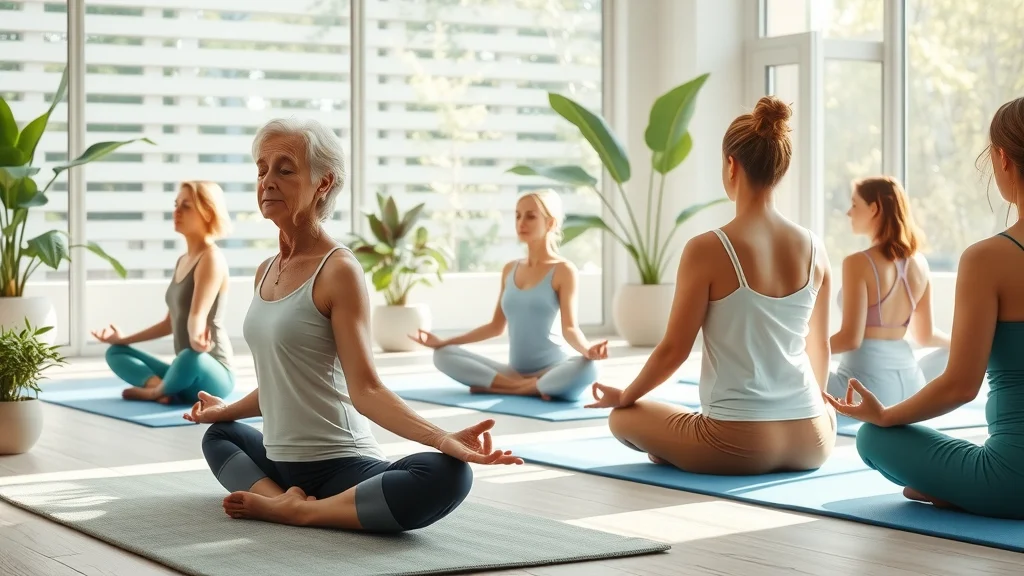
Learn Self Hypnosis As Part of Complementary Wellness Practices
Self hypnosis pairs well with many wellness techniques, such as yoga, meditation, journaling, or mindful eating. Combining these approaches can amplify your ability to maintain a relaxed state, foster resilience to negative thoughts and emotions, and promote a greater sense of well-being. Group sessions led by a facilitator may further enhance concentration and accountability.
Whether practiced individually or collectively, learning self hypnosis as part of a wider wellness toolkit increases your options for addressing negative patterns, personal change, and mental health.
Considerations for Using Self Hypnosis with Medical Conditions
While self hypnosis is generally safe for most people, those with certain medical or psychiatric conditions should consult a qualified health professional before starting. Self hypnosis is not a replacement for clinical care in complex cases such as schizophrenia, epilepsy, or severe depression. For these circumstances, a professional hypnotherapy practitioner can help design sessions tailored to your needs and provide essential safety guidelines.
If you’re using self hypnosis to manage pain relief, chronic illness symptoms, or emotional challenges, keep your physician informed and prioritize safety in every hypnosis session.
Safety, Limitations, and When Not to Learn Self Hypnosis
Understanding limitations and exercising caution is crucial when you learn self hypnosis. While most will experience only benefits, rare cases exist where underlying mental health conditions or traumatic memories require professional, supervised support instead of self-directed techniques. Ethical use involves self-awareness, consent, and a focus on supportive rather than coercive change.
Professional Guidance and Clinical Hypnosis
Consulting a certified hypnotherapist is advised if you have deep-seated trauma, ongoing mental health issues, or medical concerns that complicate self-directed practice. Professional guidance ensures safety, ethical practices, and tailored session frameworks based on scientific evidence and years of practical experience. These sessions may differ from standard self hypnosis but can be invaluable when deeper healing or behavioral change is required.

Warning Signs and Ethical Considerations
If you experience distress, anxiety, or resurfacing of traumatic memories during self hypnosis, discontinue the session and seek professional help. Ethical practice means respecting boundaries, focusing on positive change, and never using hypnosis for manipulation or coercion. Remember, true self hypnosis revolves around support, empowerment, and voluntary personal growth, not force or spectacle.
If you have a history of mental health conditions, always err on the side of caution and work with a licensed clinician to establish healthy, effective boundaries in your practice.
Quotes from Hypnotherapy Experts on Why & How to Learn Self Hypnosis
“Self hypnosis empowers individuals to harness their subconscious mind for positive, lasting change.”
Progress and Growth: Tracking Your Skills as You Learn Self Hypnosis
- Signs of improvement
- How to set achievable milestones
- Building advanced techniques over time
Tracking your progress as you learn self hypnosis is vital for staying motivated and recognizing growth. Use a journal or a progress chart to log each hypnosis session, noting changes in how you manage stress, handle negative thoughts, or foster new habits. Identifying signs of progress—like finding it easier to enter a relaxed state or notice thought patterns shifting—reinforces your journey.
Set realistic, achievable milestones to measure outcomes and build on your successes. As your skills develop, experiment with advanced techniques, such as customizing scripts or integrating self hypnosis with other practices for even deeper results.

Key Takeaways for Anyone Who Wants to Learn Self Hypnosis
- Self hypnosis is a trainable mindset skill
- Consistency is more important than depth of trance
- Potential benefits range from stress relief to improved habits
- Consult a professional for therapeutic or clinical use
FAQs on Learning Self Hypnosis
Can I learn hypnosis on my own?
It is possible to learn self hypnosis independently using credible techniques, consistent practice, and reliable resources. Many individuals find structured audio guides or online courses helpful to begin their journey towards learning self hypnosis.
Can hypnotherapy help with dementia?
While self hypnosis and hypnotherapy are being explored for various supportive roles, there is not enough scientific evidence to recommend them as standalone treatments for dementia. However, some supportive techniques may relieve associated anxiety or agitation when guided by a professional.
Is it possible to hypnotise myself?
Yes, you can hypnotise yourself by learning self hypnosis techniques. This involves focused relaxation, setting clear intentions, and using mental imagery or affirmations to enter a self-directed hypnotic state.
Can hypnosis help with schizophrenia?
Hypnosis and self hypnosis are not recommended for individuals with schizophrenia unless guided by a qualified medical practitioner. Such interventions must be approached with caution and are not a substitute for medical or psychiatric care.
Additional Frequently Asked Questions About Learning Self Hypnosis
- How long does it take to learn self hypnosis?
- Are there risks when you learn self hypnosis?
- What are the common misconceptions when learning self hypnosis?
- Does self hypnosis feel like sleep?
- Can children learn self hypnosis?
A Lifelong Skill: Continuing Your Journey to Learn Self Hypnosis
Self hypnosis is not just a quick fix—it’s a lifelong skill that deepens over time, offering lasting personal growth, mental health improvement, and a toolkit for ongoing positive change. The road to mastery is paved with practice, patience, and an open mind, making it one of the most accessible forms of self-care available today.

Explore More Techniques: Start Your Self Hypnosis Learning Journey Today
Ready to experience the potential benefits of self hypnosis? Start today by setting a clear intention, establishing a consistent practice, and seeking reliable tools or guidance to support your progress. Remember, every session is a step toward personal growth and greater self-mastery—your lifelong transformation begins now.
If you’re inspired to expand your understanding of mind-body practices, exploring the broader landscape of mental wellness can be incredibly rewarding. Delving into the nuanced differences between hypnosis and meditation can help you discover which techniques best align with your goals for relaxation, focus, or self-improvement. For those eager to deepen their journey, this in-depth article on hypnosis versus meditation offers valuable insights and practical comparisons. By broadening your toolkit, you empower yourself to choose the most effective strategies for your unique path to personal growth and well-being.



Write A Comment