

Startling Fact: Did you know that up to 80% of people struggle with stress-related health issues? For many, finding a natural way to manage anxiety, sleep, and chronic tension feels impossible. Progressive relaxation hypnosis could be the game-changer—an evidence-based technique merging body scan, muscle relaxation, and hypnotic suggestion to help restore calm and restorative sleep.
Unlocking the Power of Progressive Relaxation Hypnosis
“Up to 80% of people struggle with stress-related health issues—progressive relaxation hypnosis offers an evidence-based solution.”
Millions grapple with stress, anxious thoughts, and the relentless inability to fall asleep. Modern stressors keep our mind and body on high alert, disrupting our natural rhythms and preventing deep relaxation. Progressive relaxation hypnosis is a unique approach that blends the science of progressive muscle relaxation, behavioral rehearsal, and hypnosis to activate your body’s natural relaxation response. By guiding your body and mind through systematic muscle relaxation and immersive mental imagery, this method provides relief for chronic insomnia, anxiety, and persistent tension. Unlike standard meditation podcasts or guided sleep meditations, progressive relaxation uses hypnotic suggestion to deepen relaxation and reinforce beneficial mental patterns. Whether you aim to fall asleep fast or ease anxious thoughts, learning these techniques sets the foundation for a healthier, more restful life.

What You'll Learn About Progressive Relaxation Hypnosis
- The definition and origins of progressive relaxation hypnosis
- How progressive relaxation and muscle relaxation techniques intersect
- Step-by-step instructions for implementing progressive relaxation hypnosis at home
- Scientific evidence for body scan and performance rehearsal integration
- Safety, limitations, and who should avoid progressive relaxation hypnosis
- Practical tools, expert quotes, and additional resources to further your practice
Progressive Relaxation Hypnosis: An Overview
Progressive relaxation hypnosis is a restorative mind-body technique designed to guide individuals into deep states of calm, using a sequential approach that taps both physiological and psychological processes. At its core, the method combines three powerful practices: A body scan—heightening present-moment awareness. Systematic muscle relaxation—relieving tension from head to toe. Performance rehearsal—mental imagery to reinforce calm or goal states. Through structured steps, individuals move from physical relaxation into a hypnotic or meditative state. The process helps not only with falling asleep and managing chronic pain, but also with breaking cycles of anxiety, tension, and insomnia. In today’s fast-paced world riddled with information overload, social media distractions, and constant notifications, such techniques serve as practical antidotes to daily overwhelm. With origins in both hypnotherapy and behavioral medicine, this method continues to gain support from clinical research, mental health practitioners, and sleep specialists.
As you explore the nuances of progressive relaxation hypnosis, it’s helpful to understand how this method compares to other mind-body practices. For a deeper dive into the distinctions and overlaps between hypnosis and meditation, you might find this comprehensive guide on the differences between hypnosis and meditation particularly insightful.
What Is Progressive Relaxation in Hypnosis?
- Relationship between progressive relaxation and sleep meditation
- Origins of progressive muscle and body scan practices
The term progressive relaxation refers to the systematic sequencing of tensing and relaxing individual muscle groups, typically starting at the toes and moving upwards—or vice versa. This idea, first introduced by physician Edmund Jacobson in the 1920s, underpins many of today’s guided sleep audios and sleep meditations. When combined with hypnosis, the process goes a step further: once physical tension is relieved, hypnotic suggestion is layered in, helping the body and mind transition into restorative states. Sleep meditation and body scan techniques draw from similar roots. Body scan meditation encourages mindful attention as you shift your focus across the body progressively, while progressive muscle relaxation involves deliberate muscular tension and release. In progressive relaxation hypnosis, these techniques are often blended with guided imagery or performance rehearsal—empowering users to manage intrusive thoughts, prepare for challenging events, or simply fall asleep fast. The technique can be practiced in therapy or by oneself using free trial apps, online videos, or audio recordings. It is a foundational method employed by clinical hypnotherapists, athletic coaches, and stress management experts worldwide.
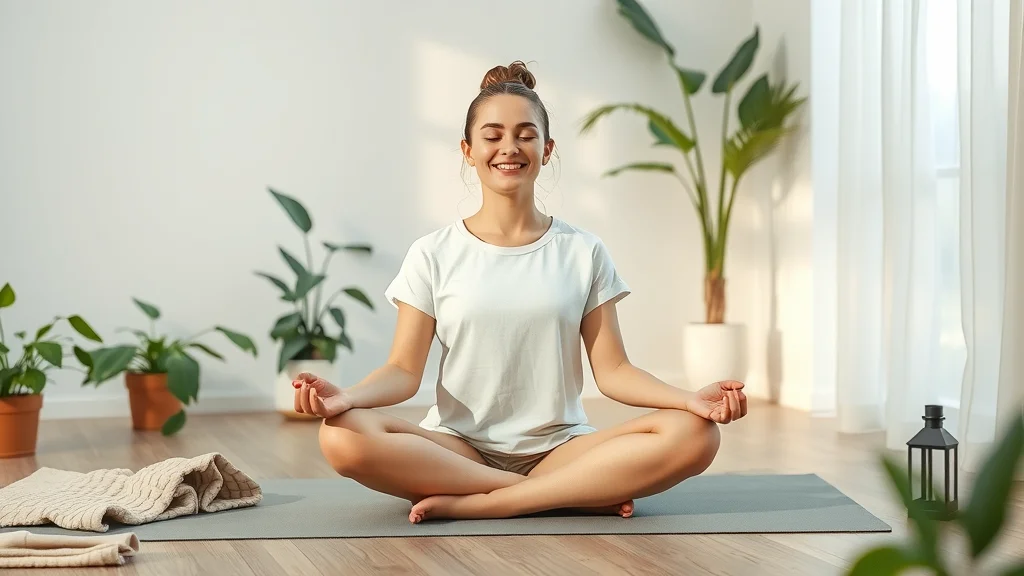
How Progressive Relaxation Hypnosis Works
| Step | Description | Keywords |
|---|---|---|
| Initial Body Scan | Guided awareness from head to toe | body scan, muscle relaxation |
| Progressive Muscle Relaxation | Systematically tensing and releasing muscles | progressive muscle relaxation, guided sleep |
| Performance Rehearsal | Using imagery for desired behavioral change | performance rehearsal, sleep meditation |
| Entering Hypnosis | Deepening relaxation through suggestion | sleep hypnosis, guided sleep meditation |
Progressive relaxation hypnosis unfolds as a gentle, structured journey through both body and mind. The initial body scan phase directs awareness to each region, noticing sensations without judgment—a foundation for muscle relaxation and mental stillness. The core element—progressive muscle relaxation—systematically tenses muscle groups, then releases them, allowing stress to dissipate. This act of physically relaxing mirrors the calming effects sought in guided sleep and sleep meditations, sending calming frequency waves through the nervous system. The next step, performance rehearsal, involves the mind's eye: you visualize yourself at ease, successfully coping with a stressor, or preparing for restful sleep. This mental imagery is much like a sleep cove—a safe haven that conditions your subconscious for positive behaviors or attitudes. The process culminates with entering hypnosis—where deep relaxation and special suggestions help anchor the calm across mind and body. Repetition of these steps not only reduces daily tension, but also trains your nervous system to unwind faster at night, helping you fall asleep and function properly.
Muscle Relaxation Meets Hypnotic Techniques
- Muscle relaxation vs progressive muscle relaxation: similarities and differences
- Benefits for falling asleep and reducing anxiety
Muscle relaxation is at the core of most deep relaxation and guided sleep meditation practices. But there’s a subtle difference when it comes to full progressive muscle relaxation (PMR). While muscle relaxation may focus on relieving tension in general or through passive focus, PMR follows a deliberate routine: tense each muscle group for five to ten seconds, then intentionally release. This method, championed in progressive relaxation hypnosis, offers a twofold benefit. First, it allows people to become more attuned to where they hold tension in their bodies. Second, it trains their mind and body to disengage from stress, activating the parasympathetic “rest and digest” response. When embedded in hypnotic sessions or sleep hypnosis routines, PMR serves as both a physical and mental reset—ideal for people who overthink at night or have trouble winding down. The process can lead to profound deep relaxation, making it easier to fall asleep fast, decrease anxiety, and even manage chronic pain. Many meditation podcasts and free trial sleep apps offer guided audio designed to walk you through PMR for both sleep and stress relief.
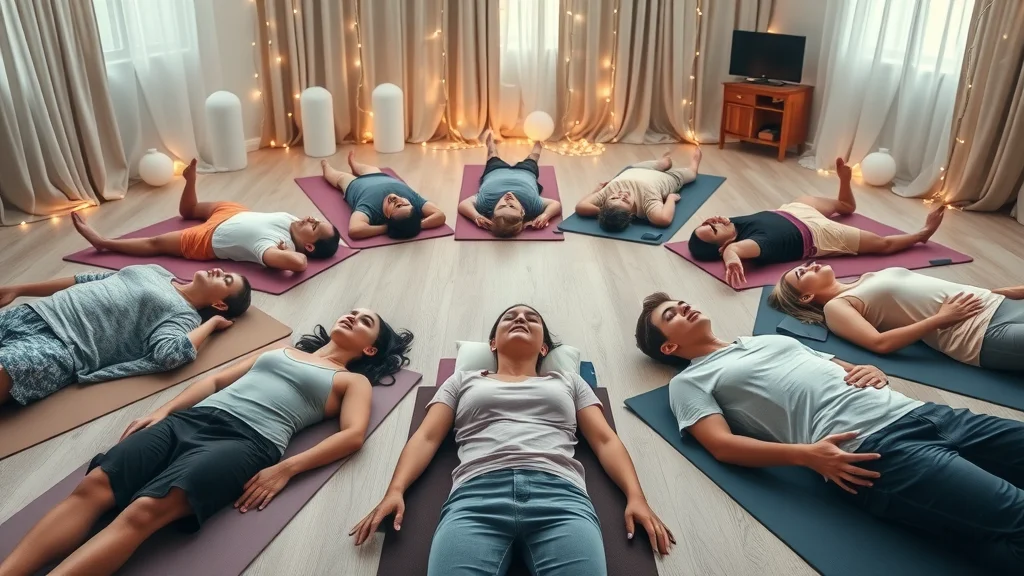
The Science of Progressive Relaxation Hypnosis
“Clinical trials indicate progressive relaxation hypnosis reduces stress levels by up to 50% in chronic insomnia sufferers.”
Research supports the effectiveness of progressive relaxation hypnosis for a wide range of health outcomes—from significantly reducing stress levels (especially in chronic insomnia) to lowering muscular tension, blood pressure, and anxiety markers. Modern neuroimaging studies show that structured muscle relaxation and hypnotic suggestion can alter frequency waves in the brain, increasing calm and facilitating the transition from wakefulness to restorative sleep. The science also points to improved emotional resilience, better cognitive performance, and enhanced capacity to regulate autonomic nervous system responses. For people with persistent insomnia, studies reveal up to 50% reduction in perceived stress after consistent practice. According to clinical sleep experts and meditation podcasts on platforms like sleep cove or guided sleep audio sessions, combining PMR with sleep hypnosis produces better sleep onset and deeper rest. These benefits extend to anxiety reduction, with users reporting less arousal, more energy on waking, and improved overall well-being. The evidence speaks clearly: if you want to efficiently fall asleep, recover from chronic stress, or simply cultivate a sense of deep relaxation, progressive relaxation hypnosis offers a practical, low-risk, and non-pharmaceutical solution.
How to Perform Progressive Relaxation Hypnosis at Home
- Select a quiet space and set an intention: Find a comfortable spot, free from distractions. Decide whether you want to release stress, prepare for sleep, or visualize success.
- Begin a body scan for initial awareness: Close your eyes and bring attention sequentially from the crown of your head down to your toes, noticing areas of tension.
- Work through muscle groups, tensing and relaxing: Start with your feet—tense for five seconds, then release. Slowly move upward through calves, thighs, abdomen, chest, arms, and face, repeating the sequence for each area.
- Incorporate positive performance rehearsal imagery: As you feel your body progressively relax, visualize yourself succeeding in a desired behavior, looking calm, confident, or drifting into sleep.
- Allow yourself to enter sleep hypnosis or meditative state: Use soothing suggestions such as “With every breath, my body sinks deeper into relaxation,” and remain in this state for 10–20 minutes, or until you fall asleep.
Each of these steps can be supported by a guided sleep meditation or free trial audio, available through popular meditation podcasts, sleep cove, or online platforms. Remember to breathe deeply and let your mind wander gently as you complete the cycle. If you struggle to maintain focus, consider using headphones or listening to soft background music to enhance the experience.

Watch a step-by-step demonstration: A skilled practitioner calmly leads a participant through body scan awareness, muscle tension and release, and soothing imagery. Filmed in a softly lit home environment, this visual guide shows proper technique, breathing, posture, and how to draw the mind into a peaceful sleep escape. Ideal for first-timers and experienced meditators alike. Note: Find the video on respected platforms such as YouTube, sleep cove channels, or trusted mental health sites.
Integrating Progressive Relaxation Hypnosis with Sleep Meditation
- How sleep meditation enhances hypnosis
- Guided sleep and progressive relaxation for optimal sleep onset
Combining sleep meditation with progressive relaxation hypnosis can supercharge your efforts to fall asleep and enter a true state of deep relaxation. Guided sleep meditations often weave together a body scan, progressive muscle relaxation, and hypnotic affirmations. This synergy allows the conscious and subconscious mind to work as one—easing you into sleep as the body releases the remnants of the day. The advantages extend beyond simple sleep. Practicing guided sleep hypnosis helps reinforce sleep as a safe routine, making it easier to fall asleep fast, stay asleep, and wake refreshed. Whether you access a sleep cove playlist, a meditation podcast, or a customized audio on popular platforms, the cumulative effect of combining sleep meditation and hypnosis is a proven sleep escape—transforming restless nights into restorative slumber.

Who Benefits Most from Progressive Relaxation Hypnosis?
Progressive relaxation hypnosis is especially beneficial for adults and teens who suffer from chronic stress, episodic anxiety, insomnia, muscular tension, or difficulty switching off before bed. It is supported by clinical evidence for people with generalized anxiety disorder, chronic pain, and high-achieving professionals looking to improve performance through mental rehearsal. Students, athletes, busy professionals, or anyone exposed to high daily stress will find the structured relaxation and positive imagery of this practice particularly helpful for functioning properly in high-pressure environments. However, those with certain psychiatric or neuromuscular disorders should consult a healthcare professional before starting any new relaxation practice.
Potential Risks and Considerations
While progressive relaxation hypnosis is generally safe, some people may experience discomfort when tuning into bodily sensations, especially if there is a history of trauma or panic disorder. Others—such as those with severe muscular pain, certain heart conditions, or dissociation disorders—should consult with a medical provider first. In rare cases, the process may briefly increase anxiety before providing long-term relief. Always approach new techniques gently and discontinue if discomfort persists.
Comparing Progressive Relaxation Hypnosis with Other Hypnotic and Meditation Techniques
- Progressive relaxation vs performance rehearsal
- Progressive relaxation vs body scan and guided sleep meditation
- Unique benefits for muscle relaxation and anxiety
Progressive relaxation hypnosis distinguishes itself from other methods by combining physical relaxation with mental training. Performance rehearsal focuses on mentally practicing successful outcomes—such as public speaking or athletic events—but may not include systematic muscle relaxation. Body scan meditation nurtures awareness but does not actively release muscular tension. Guided sleep meditation often emphasizes soothing language and environmental cues, but the hypnotic suggestions of progressive relaxation hypnosis can accelerate entry into restorative sleep. What sets this practice apart is its dual action: the body is trained to relax systematically, while the mind is gently conditioned for positive change. For those struggling with anxiety, muscular tension, or difficulty falling asleep, progressive relaxation hypnosis is a superior relaxation technique, offering unique advantages over mindfulness alone.
Body Scan in Progressive Relaxation Hypnosis
The body scan is an essential first step of most progressive relaxation hypnosis sessions. It involves directing attention to each area of the body, noticing sensations without judgment. This practice shifts focus away from intrusive thoughts and toward present-moment awareness—a founding principle of mindfulness-based therapies. By cultivating non-reactive awareness, individuals are more receptive to the subsequent stages of muscle relaxation and hypnotic suggestion. Many guided sleep and sleep hypnosis audios begin with a detailed body scan, creating the perfect segue into deeper relaxation. Practiced regularly, body scans can improve one’s physical intuition, reduce stress, and promote healthy sleep patterns by retraining attention and calming the nervous system.
Progressive Relaxation Hypnosis for Sleep: Does It Help You Fall Asleep Faster?
Dozens of studies—and a growing body of anecdotal reports—confirm that progressive relaxation hypnosis can help you fall asleep fast. By relaxing the mind and body sequentially, the technique lowers arousal, decreases intrusive thoughts, and creates an inner sleep escape. Whether delivered through professional hypnotherapy, a sleep cove podcast, or a DIY guided sleep meditation, users often report falling asleep in minutes rather than hours. Adults facing insomnia or irregular sleep find that practicing the entire cycle nightly leads to a conditioned association: enter a relaxed posture, begin the ritual, and the mind and body quickly respond by letting go into sleep. Over time, you may enjoy more refreshing rest, less anxiety, and increased energy during the day—without reliance on medication or excessive screen use.
Tips and Best Practices for Progressive Relaxation Hypnosis
- Consistency and routine
- Setting up an ideal environment
- When to use performance rehearsal
- Improving results for guided sleep and sleep hypnosis
Like any relaxation technique, progressive relaxation hypnosis is most effective when practiced consistently, ideally at the same time and in the same place daily. Choose a quiet space with minimal light and distractions. Use supportive props such as cozy blankets, eye pillows, or soft music to signal the brain it’s time to unwind. Performance rehearsal is best used before high-stress events or during periods of increased anxiety—visualize calm, confidence, and positive outcomes. For guided sleep hypnosis, follow along with audio instructions until you can perform the sequence from memory. Track your progress and find a guided style that matches your preference, whether from a sleep cove podcast, meditation app, or local hypnotherapist. Over time, you’ll notice falling asleep becomes quicker, deeper, and more restorative.
In this informative video segment, experts address frequently asked questions such as the difference between muscle relaxation and PMR, best uses of performance rehearsal, and optimizing the home environment for relaxation. The demonstration clarifies common pitfalls and provides real-life examples of overcoming sleep, anxiety, and tension using these methods. Look for featured videos on trusted health sites, reputable YouTube channels or meditation podcast platforms.
People Also Ask: Progressive Relaxation Hypnosis
What is the best technique for PMR?
The most effective PMR (progressive muscle relaxation) technique involves systematically tensing each muscle group for 5–10 seconds, then relaxing for 15–20 seconds. Start with your toes, proceed upward through your body, and finish with your facial muscles. Focus on the sensation of release with each exhale. Many guided sleep meditations or free trial audio apps provide structured instructions for home practice.
Is PMR good for anxiety?
Yes, PMR is highly effective for reducing anxiety. By inducing deep relaxation through the release of muscular tension, PMR lowers the body’s physiological stress response. Regular practice has been shown to decrease anxiety symptoms, improve resilience, and help users fall asleep faster, making it an invaluable tool for those with high stress or insomnia.
Who shouldn't do progressive muscle relaxation?
People with certain medical or psychiatric conditions—including severe muscular injuries, uncontrolled heart conditions, intense chronic pain, or specific trauma histories—should consult a medical professional before practicing PMR. In rare cases, PMR and hypnosis can briefly intensify anxiety or dissociation. Always listen to your body’s cues and stop if you feel overwhelmed.
How to do PMR technique?
To practice PMR, find a comfortable seated or lying position. Close your eyes and focus on your breath. Starting at your feet, tense each muscle group tightly for 5–10 seconds (without causing discomfort) and release for 15–20 seconds. Move methodically up through your calves, thighs, abdomen, chest, arms, and face, noticing the sensation of relaxation after each release. Repeat daily, especially before sleep or whenever you need to unwind.
Key Takeaways: Progressive Relaxation Hypnosis
- Progressive relaxation hypnosis combines muscle relaxation, performance rehearsal, and body scan for optimal results
- Effective for sleep onset, anxiety, and stress reduction
- Begin with guided practice and consult professionals when in doubt
Frequently Asked Questions about Progressive Relaxation Hypnosis
-
Can progressive relaxation hypnosis be practiced daily?
Absolutely. Daily practice enhances the effectiveness and can lead to greater reductions in stress, improved sleep, and sustained well-being. -
Is it suitable for children?
Yes, with age-appropriate guidance, children can benefit from progressive relaxation hypnosis—especially for anxiety, sleep onset, or managing performance stress. Consult with a pediatrician or therapist for specific instructions. -
How does performance rehearsal differ from body scan?
Performance rehearsal involves actively visualizing successful outcomes or desired states, while a body scan centers awareness on physical sensations—both work in tandem for deeper relaxation and positive mental conditioning.
Conclusion: Harnessing Progressive Relaxation Hypnosis for Well-Being
Progressive relaxation hypnosis offers safe, evidence-based tools for stress relief, improved sleep, and a calmer mind—unlocking greater resilience and peace in everyday life.
Start Your Journey with Progressive Relaxation Hypnosis Today
Commit to one week of guided practice in progressive relaxation hypnosis. Notice the difference in your sleep, anxiety, and energy. Try a sleep cove playlist, meditation podcast, or follow our recommended steps above—and experience the transformative calm for yourself.
If you’re eager to expand your understanding of mind-body wellness, consider exploring how progressive relaxation hypnosis fits within the broader landscape of self-improvement techniques. Delving into the key differences and unique benefits of hypnosis versus meditation can help you tailor your relaxation routine for even greater results. By learning how these practices complement each other, you’ll be empowered to choose the most effective approach for your personal growth, stress management, and long-term well-being. Take the next step and discover which method resonates most with your lifestyle and goals.



Write A Comment