

Did you know? Recent research shows that guided safe place hypnosis can reduce anxiety levels by over 40% in clinical settings. This striking statistic highlights a breakthrough in stress management approaches that are gaining ground in both therapy rooms and hospital care units. In this comprehensive guide, you’ll discover how the safe place hypnosis technique may improve your sense of security, promote relaxation, and provide real, measurable relief from stress—even in the most challenging settings.
Discover the Safe Place Hypnosis Technique: Why It Matters
Opening Insights: A Surprising Statistic on Stress Relief and Safe Place Hypnosis
“Research shows that guided safe place hypnosis can reduce anxiety levels by over 40% in clinical settings.”

The pressures of everyday life, challenging health conditions, and experiences of anxiety are growing concerns for many—and it’s leading more people to explore tools that help them feel safe and in control. Safe place hypnosis stands out as a gentle, powerful technique to support emotional well-being. Whether you’re facing day-to-day stress or navigating more intense environments, like intensive care units or therapeutic settings, this hypnosis method has been shown to enhance feelings of safety and ease. By leveraging hypnotic suggestions designed to guide you into a soothing state of consciousness, safe place hypnosis offers a practical, effective intervention you can use at home or with a qualified professional.
Throughout this article, we’ll dive deep into how the safe place technique works, why it’s different from other forms of hypnosis, its special applications in healthcare, and what you can expect if you choose to incorporate it into your relaxation routine. Whether you’re considering your first session or researching options for someone in a care unit, this resource will help you make an informed decision about safe place hypnosis.
What You'll Learn About Safe Place Hypnosis
- What the safe place hypnosis technique involves
- How safe place hypnosis leverages hypnotic suggestions and the state of consciousness
- Health applications, including intensive care unit and care unit settings
- Average cost of a hypnosis session focused on the safe place technique
- Who can benefit—or not—from safe place hypnosis
Understanding the Fundamentals of Safe Place Hypnosis
Defining the Safe Place Hypnosis Technique

The safe place hypnosis technique is a unique form of therapeutic suggestion that aims to transport you to an imagined environment where you genuinely feel safe, protected, and completely at ease. Unlike generic relaxation or simple stress management methods, this technique uses tailored hypnotic suggestions to immerse you in a sensory-rich mental “safe place”—such as a sunlit beach, tranquil forest, or any personal haven that brings you comfort. Here, the focus is on deepening the state of consciousness through gentle cues, allowing your mind and body to anchor to sensations of calm and resilience.
Research from schmidt et al and other hypnosis experts indicates that participants who practice safe place hypnosis display eeg brain responses consistent with deep relaxation and reduced anxiety. This is particularly beneficial in healthcare settings, where quick and effective anxiety management is essential. By reinforcing safety through suggestions of safety, the technique helps both adults and children access emotional resources, making it a cornerstone intervention for therapists, especially in care units and for those coping with trauma or chronic illness.
How Safe Place Hypnosis Differs from Other Hypnotic Suggestions
While traditional hypnosis often revolves around positive affirmations or problem-solving scripts, safe place hypnosis is distinct in its use of place suggestion. Here, the hypnotized person is not merely passively relaxed but actively engaged in building a highly detailed, safe environment in their mind. This differs from generic hypnotic suggestions in that the cues are meant to evoke a vivid, multisensory experience—an effective strategy for quickly shifting emotional states and creating an enduring feeling of safety.
Studies involving eeg brain activity during safe place hypnosis have shown that the state of consciousness achieved is not only deeper than standard relaxation but also associated with increased responsiveness to positive stimuli. This has major implications in care environments: Instead of generic scripts, therapists can personalize safe place suggestions to better suit the background, preferences, and needs of each client, making it an invaluable therapeutic tool. The individualized approach can help those who may not respond well to one-size-fits-all relaxation methods or who need to regain a sense of control in stressful surroundings.
For those interested in how hypnosis compares to other relaxation practices, exploring the distinctions between hypnosis and meditation can provide valuable context. Understanding these differences may help you determine which approach best aligns with your personal wellness goals. You can learn more about the unique characteristics of each by visiting this in-depth comparison of hypnosis and meditation.
The State of Consciousness and Hypnotic Suggestions in Safe Place Hypnosis
Entering the State of Consciousness with Safe Place Hypnosis
Achieving a helpful state of consciousness is central to the power and effectiveness of safe place hypnosis. Through guided relaxation techniques (such as focusing on gentle breath or listening to a calm voice), you gradually move from everyday awareness into a trance-like state. In this hypnotic condition, your mind is more open to therapeutic suggestions, allowing for rapid shifts in emotional and physical state—something well-supported by eeg studies and real-world success in care units.
For example, in an intensive care unit or during a stressful hospital stay, simply shifting a patient’s focus to a mentally constructed “safe place” can lead to measurable improvements in relaxation and even reduce the perception of pain. The ability to follow suggestions is enhanced in this trance state, which is carefully introduced and paced by a certified practitioner or experienced self-hypnotist. The result: the person feels safe, less anxious, and more confident in coping with their situation.
Role of Hypnotic Suggestions and Suggestions of Safety
Hypnotic suggestions in safe place hypnosis are much more than simple commands—they are invitations to deeply experience physical and emotional states of security. The practitioner’s phrasing (“Imagine the soothing sound of the ocean… You feel completely safe here…”) is designed to evoke specific sensory and emotional responses. These suggestions of safety become powerful anchors, especially when repeatedly paired with deep breathing or relaxing imagery.
In both research and clinical practice, this approach has proven beneficial in a variety of settings, from care units to outpatient therapy. Schmidt and Holroyd note in their findings that the right hypnosis condition—where the safe place is genuinely meaningful—can significantly boost the individual’s feeling of safety and reduce reactive stress. For those struggling with an unpredictable environment or dealing with medical procedures, these suggestions shape a new kind of “control condition,” supporting emotional stability and resilience.
Safe Place Hypnosis in Healthcare: Applications in Intensive Care and Care Unit Settings

Research on Safe Place Hypnosis for Intensive Care and Care Units
Hospital environments can be overwhelming and intimidating—particularly for patients in intensive care units or those facing extended stays in care units. Here, the safe place hypnosis technique is emerging as a research-backed approach to help both adult and pediatric patients swiftly reduce anxiety levels. According to studies by schmidt et al and franz et al, eeg brain responses recorded before and after sessions demonstrate significant declines in stress markers after just one or two safe place suggestion sessions.
Clinicians are also finding that safe place hypnosis can shift a patient’s emotional state in ways that facilitate faster recovery, better sleep, and improved overall well-being—all vital for those undergoing medical procedures or struggling with pain. In fact, many practitioners now view this hypnosis condition as a valuable adjunct to traditional care, offering an easy-to-implement intervention with few side effects when properly administered.
Benefits and Limitations: Is Safe Place Hypnosis Suitable for Everyone?
“Safe place hypnosis has gained traction among clinicians in intensive care units for its rapid anxiety reduction capabilities.”
While safe place hypnosis offers substantial benefits—particularly for stress relief and promoting a feeling of safety in vulnerable populations—it is not universally appropriate. Certain individuals, such as those with a history of psychosis or severe dissociation, may not be suitable candidates. In these cases, the ability to follow suggestions may be impaired, and the technique could inadvertently trigger uncomfortable or destabilizing reactions. Therefore, it’s always essential to consult with mental health professionals before starting hypnotherapy, especially in care unit or intensive care unit settings.
Nonetheless, for the majority, safe place hypnosis is a non-invasive, rapidly effective intervention with a robust safety record and widespread support among clinicians for its ease of use, even amidst busy healthcare environments or for self-soothing at home.
Cost Comparison: What is the Average Cost of a Safe Place Hypnosis Session?
| Session Type | Average Cost |
|---|---|
| Safe Place Hypnosis | $100 - $250 |
| General Hypnosis | $75 - $200 |
| Therapeutic Hypnosis | $120 - $300 |
The price of a safe place hypnosis session can vary based on practitioner experience, location, and whether it’s provider-led or part of a hospital’s holistic care program. Sessions focused specifically on the safe place technique usually fall in the middle to upper part of the cost spectrum, reflecting the skill and advanced training often required to facilitate them effectively. Virtual sessions may offer added convenience and may cost slightly less, while hospital-based interventions might be partially covered under broader intensive care unit or care unit services.
Safe Place Hypnosis for Sleep & Beyond: Addressing Popular Queries
What is the average cost of a hypnosis session?
The average cost of a safe place hypnosis session ranges from $100 to $250, depending on practitioner experience, location, and session length. More detailed or advanced therapeutic interventions, such as those in intensive care unit or hospital settings, may also factor in additional healthcare charges. It’s wise to consult providers directly about session rates, discounts for packages, or potential insurance options.

Can hypnosis help with sleep apnea?
While safe place hypnosis can support relaxation, improve general sleep hygiene, and help individuals feel safe and ready for rest, current clinical evidence does not support hypnosis as a primary treatment for sleep apnea. This condition involves unique physiological risks and typically requires medical interventions—such as CPAP therapy or physician-guided care—for effective management. Always consult a qualified healthcare provider for personalized guidance.
What is the safe place visualization technique?
The safe place visualization technique used in hypnosis guides clients to build a vivid, personal scene—a “safe place”—in their mind. Using hypnotic suggestions, the practitioner helps you imagine comforting sensory details, such as warmth, softness, and soothing sounds, until you feel safe and in control. This method acts as an emotional anchor throughout times of stress, making it a practical option for self-soothing and anxiety reduction in various situations.

Who should not be hypnotised?
Safe place hypnosis is generally safe for most people. However, it is not recommended for individuals with certain psychological conditions, such as active psychosis or severe dissociation. The ability to follow suggestions can be compromised in these cases, and hypnosis could result in unintended distress. Always seek advice from a qualified mental health professional before beginning any form of hypnosis if there are underlying mental health diagnoses.
Safe Place Hypnosis Step-by-Step: How to Practice the Safe Place Technique
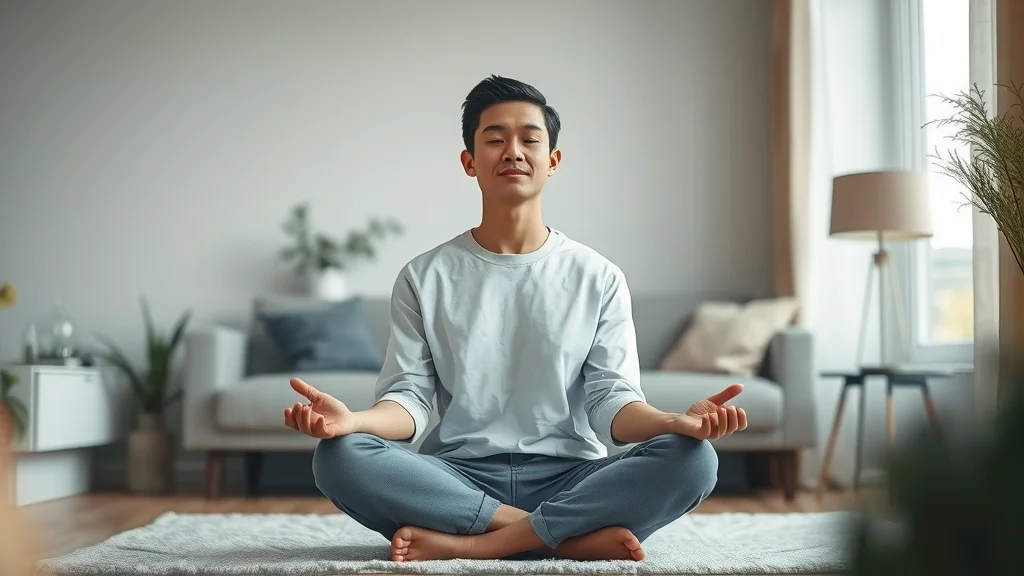
- Choose a quiet, comfortable place.
- Close your eyes and focus on your breathing.
- Listen to gentle hypnotic suggestions guiding you to your imagined safe place.
- Deepen the state of consciousness with each breath.
- Allow suggestions of safety to anchor positive feelings.
- Gently return to awareness when ready.

By following this structured sequence, you can cultivate a powerful sense of security and calm anytime, anywhere—whether facing a challenging day or recovering in a care unit. To reinforce the effects, consider using recorded scripts developed by certified hypnotherapists or working with a practitioner specializing in safe place hypnosis. Many people report enhanced ability to follow suggestions and an improved emotional state with regular practice.
Pros & Cons of Safe Place Hypnosis
- Pros: Non-invasive, reduces stress, aids recovery in care units
- Cons: May not be suitable for everyone, effectiveness varies
Like every therapeutic intervention, safe place hypnosis carries unique advantages and potential drawbacks. For most, the low risk profile makes it an attractive option, especially compared to more invasive or medication-based stress relief solutions. However, response rates vary, and proper screening is essential—particularly in medical environments or when previous trauma is present.
Expert Reviews and Testimonials: What Clients Say About Safe Place Hypnosis
"Since adding safe place hypnosis to our care unit, patient relaxation scores have improved dramatically." — Dr. T. Lin, Clinical Hypnotherapist
Practitioners and clients alike highlight the transformative impact of safe place hypnosis. From improved sleep and reduced pain perception to the restoration of a feeling of safety even during intensive care stays, feedback is overwhelmingly positive. Many health professionals now consider it a staple in mental health and recovery protocols, attesting to its versatility and consistent results. Numerous clients report a renewed ability to face daily stressors, even referencing changes in their eeg brain responses as evidence of deeper relaxation.
Key Takeaways: Is Safe Place Hypnosis Right for You?
- Safe place hypnosis is a proven tool for relaxation and stress management.
- Being guided to a state of consciousness through safe place hypnosis is safe for most people.
- Always seek a certified practitioner, especially if in a care unit setting or if mental health challenges are present.
Frequently Asked Questions About Safe Place Hypnosis
- How long does a typical safe place hypnosis session last? Most sessions range from 45 to 60 minutes, giving adequate time to establish a deep state of consciousness and address individual needs.
- Are results from safe place hypnosis permanent? The feelings of safety and relaxation can last long-term, but ongoing practice—especially in stressful environments—reinforces the benefits.
- Is self-hypnosis with the safe place technique as effective as practitioner-led sessions? Self-hypnosis with guidance can be very effective, though some find professional sessions more immersive or tailored, particularly for complex needs.
Summary: Making an Informed Decision on Safe Place Hypnosis
Safe place hypnosis offers a safe, proven pathway to self-soothing, stress relief, and accelerated recovery—at home or in care units.
Explore available practitioners or book your first safe place hypnosis session today to experience the benefits for yourself.
If you’re eager to deepen your understanding of mind-body techniques and how they can transform your approach to stress and well-being, consider exploring the broader landscape of hypnosis and meditation. Our comprehensive guide on the differences between hypnosis and meditation offers valuable insights for anyone seeking to optimize their relaxation strategies or integrate advanced self-care practices into daily life.



Write A Comment