

Introduction: Connecting Body Awareness Hypnosis to Your Personal Journey
Imagine taking a deep breath, closing your eyes, and, for a moment, feeling truly at peace within your own skin. For many, the mirror reflects more than appearances—it reveals the weight of body image, unspoken beliefs, and self-perceptions that shape each day. Whether you struggle with body image issues, disordered body experience, or simply long for a kinder connection with your body, body awareness hypnosis offers a gentle but powerful path forward. This article is your invitation to explore how focused attention, mindful hypnotic techniques, and positive self-dialogue can help you unlock greater confidence, self-acceptance, and harmony between your mind and body. Start your journey here, and discover actionable steps to transform both how you see and experience yourself.

Understanding the Emotional Impact of Body Image and Body Awareness
Our relationship with our bodies is deeply emotional. For many, the journey of self-discovery is disrupted by unresolved body image issues or persistent concerns about their body type. It's easy to internalize negative and false beliefs about what our bodies should look or feel like, often shaped by society's portrayals of an ideal body. But these emotional responses aren't just skin-deep—they ripple through our thoughts, emotions, and even our daily social situations. When body image issues or body dysmorphia take root, the mirror can become a source of distress, and personal acceptance may feel out of reach. That’s why building body awareness is not just about the physical—it's about healing your relationship with yourself from within.
"How we perceive our bodies shapes the landscape of our inner world." – Leading Hypnotherapist
What You'll Learn About Body Awareness Hypnosis
- How body awareness hypnosis works
- Benefits for body image and body experience
- Key steps in hypnotic inductions based on body awareness
- Overcoming body image issues using hypnosis
- Common misconceptions about hypnosis and the body
Defining Body Awareness Hypnosis: Foundations and Core Concepts
What is Body Awareness Hypnosis?
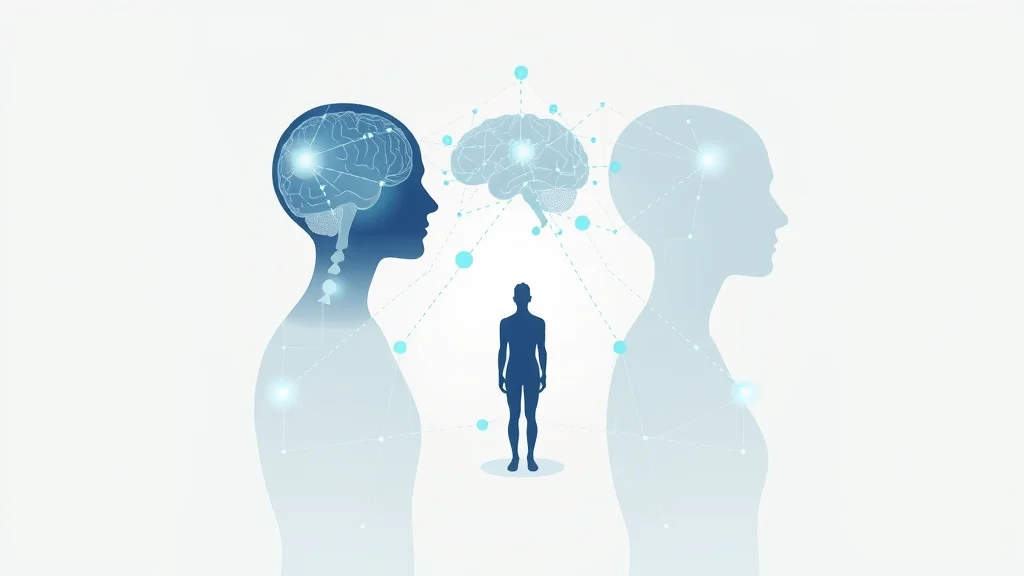
Body awareness hypnosis is a therapeutic approach that uses guided relaxation, focused attention, and mindful suggestion to help people form a more positive and connected experience of their body. Unlike traditional hypnosis, which may focus on direct suggestions or behavioral change, body awareness hypnosis hones in on the sensations, feelings, and thoughts you associate with breathing, posture, and touch. The aim is to help you become aware of your body from the inside, cultivating acceptance and breaking cycles of negative self-perception or ingrained image issues.
When practicing body awareness hypnosis, you don’t just passively receive suggestions; you actively sense, explore, and adjust your internal dialogue about what your body feels like and how it moves. This strengthens the mind-body connection, eases the grip of body dysmorphia or negative and false beliefs, and lays a foundation for greater mental health. By repeatedly engaging the subconscious mind in focusing exercises, body awareness hypnosis trains you to notice body sensations with kindness instead of criticism.
The Role of Body Experience and Self-Perception
Your body experience—the sum of how you feel, move, and sense your body—plays a crucial role in forming your self-perception. If your daily life is marked by harsh self-scrutiny, comparing yourself to an ideal body type, or persistent thoughts about perceived flaws, these patterns create stress and can escalate into body image issues or even eating disorders. Body awareness hypnosis helps by not just targeting the symptoms but addressing the root cause: your internal relationship with your own body.
The approach acknowledges that not all body experiences are the same. Some may feel disconnected from their body after trauma or health challenges, while others might be battling issues and body dysmorphia that keep them stuck in a cycle of self-doubt. By redirecting attention to physical sensations and encouraging non-judgmental observation, hypnosis allows for a reset in self-perception, helping to replace negative self-talk with empowering, supportive affirmations.
| Aspect | Body Awareness Hypnosis | Traditional Hypnosis |
|---|---|---|
| Focus | Bodily sensations & mindful presence | Direct suggestion & cognitive shifts |
| Main Goal | Enhance self-acceptance and body experience | Modify behaviors or habits |
| Method | Body scans, breathwork, positive imagery | Verbal cues, classic countdowns |
| Impact on Self-Perception | Directly builds positive body image and confidence | Indirect or general self-esteem boost |
The Science Behind Body Awareness Hypnosis
Neurological and Psychological Mechanisms
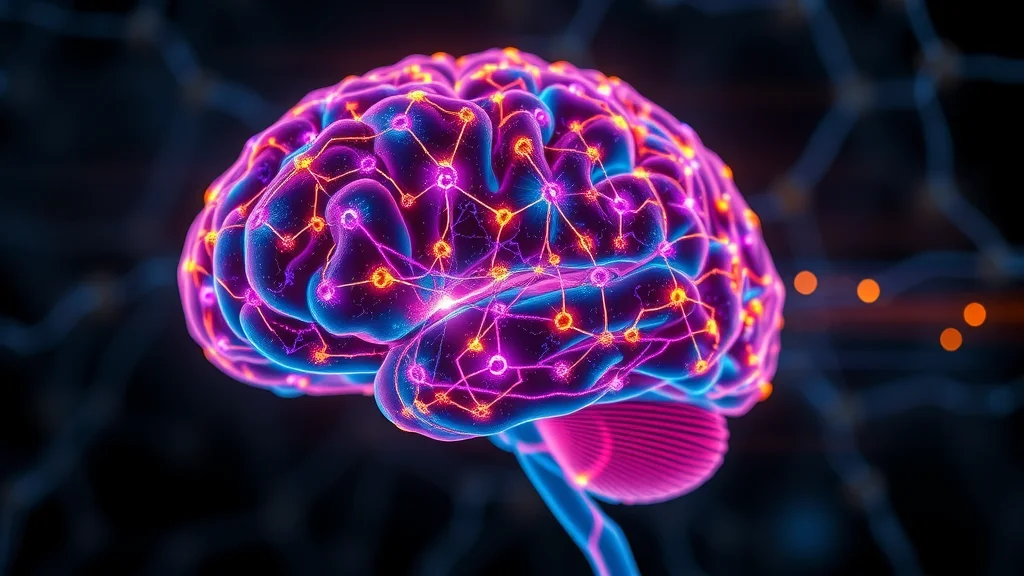
Modern neuroscience tells us that the mind and body are deeply intertwined. When engaging in body awareness hypnosis, targeted neural pathways—from the somatosensory cortex to emotion-regulation centers in the brain—are activated. Focused breathing and mindfulness induce a receptive state within the conscious and subconscious minds, allowing entrenched beliefs about your body to be gently challenged. This can help reduce the intensity of negative self-perceptions and foster greater emotional resilience in the face of body image issues.
Psychological research supports that body awareness hypnosis not only calms the nervous system but also enhances mental health by decreasing stress hormones. Practicing this exercise, whether through guided sessions or self-hypnosis, gradually weakens the impact of social comparison, ideal body standards, and the internalization of negative and false beliefs. As the mind is the part that interprets physical sensations, hypnosis essentially "rewrites" the narrative associated with those sensations, leading to more positive body experiences and improved self-confidence.
How Hypnosis Impacts Body Image and Mind-Body Connection
The transformative power of body awareness hypnosis lies in its ability to deepen the connection between mind and body. By intentionally focusing on internal bodily sensations—like body breathing or the feeling of muscles relaxing—you harness the subconscious mind to support healthier beliefs about your body. This reshapes how you perceive yourself, making it easier to let go of ingrained image issues or body dysmorphia.
Many clients report that after several sessions, they not only feel more at ease in their bodies, but they also experience fewer intrusive thoughts related to the ideal body or perfectionism. Positive reinforcement through hypnosis strengthens these new pathways so that, over time, standing in front of a mirror and feeling content isn’t a rare occurrence, but a norm. This provides lasting support for managing body image issues, eating disorder recovery, and overall well-being.
"Body awareness hypnosis isn't just suggestion—it’s a dialogue between mind, body, and emotion." – Clinical Psychologist
Exploring Body Image and Body Experience in Hypnotic Inductions
Linking Positive Body Experience to Effective Hypnosis
A crucial reason body awareness hypnosis is so effective lies in how it directly links positive body experience with mental re-patterning. When you consciously relax your body or focus on gentle sensations—such as lying on your bed and observing your breath—you enter a receptive state. During this state, the subconscious mind absorbs positive suggestions about self-worth, self-acceptance, and inner beauty more readily.
When practitioners guide clients through body scan meditations or gentle body breathing, they're not just reducing surface-level stress. They're helping people re-experience their bodies from a place of curiosity rather than critique. This approach provides safe space to confront negative and false beliefs, such as those rooted in unrealistic ideals or past criticisms. Over time, the brain starts to form new associations so that body experience becomes an anchor for confidence instead of a trigger for self-doubt.
For those interested in understanding how body awareness hypnosis compares to other mind-body practices, exploring the distinctions between hypnosis and meditation can offer valuable perspective on which approach best suits your personal growth journey. You can learn more about the unique benefits and differences in this in-depth guide on hypnosis versus meditation.

Addressing Body Image Issues with Body Awareness Hypnosis
Body image issues—whether related to size, body type, perceived flaw, or lingering image issues and body dysmorphia—can be persistent and emotionally exhausting. Body awareness hypnosis tackles these from a holistic perspective, not just suppressing negative thoughts but building a foundation for long-term acceptance and healing. Through tailored scripts and repeated positive imagery, individuals learn to replace criticism with compassion, especially when confronting their own image in the mirror.
Many therapies focus mainly on cognitive change, but hypnosis addresses both conscious and subconscious dimensions. For example, by reimagining how you move or sense your body in safe, supportive sessions, you form new narratives that weaken the grip of body image issues and eating disorder tendencies. Over time, clients report that their relationship with their reflection, their posture, and even their self-talk improves—helping to heal their relationship with their body genuinely and lastingly.
Breaking the Cycle of Image Issues and Negative Self-Perception
The cycle of image issues and negative self-perception often feeds on itself: seeing a perceived flaw, internalizing criticism, and then repeating this exercise each time you look in the mirror. Body awareness hypnosis offers a way out by introducing realistic, achievable goals for how you want to feel about your body, not just how it looks. Hypnotic suggestions focus on what your body can do, sensations that you associate with strength, and your capacity for self-compassion.
By consistently engaging in these mindful practices, the subconscious mind learns to prioritize self-care over self-judgment. Clients who practice focusing on small, positive bodily sensations notice a gradual but significant reduction in issues and body dysmorphia. In this way, body awareness hypnosis not only disrupts the negative cycle but also gives you practical tools to build lasting resilience and body confidence—making it a valuable component of a holistic mental health strategy.
Benefits of Body Awareness Hypnosis
- Enhanced self-acceptance and confidence
- Improved mind-body connection
- Reduction of body image issues and image issues
- Support in overcoming disordered body experience
- Tools for stress and anxiety management
Step-by-Step Guide to Hypnotic Inductions Based on Body Awareness

-
Preparation: Creating a supportive and safe environment
Start by choosing a quiet, comfortable space where you can relax without interruption. Use soft lighting and supportive props—like cushions or a yoga mat—to create an environment where you feel safe and at ease. If working with a professional hypnotherapist, clear communication about your goals and boundaries sets a strong foundation for success.
-
Establishing initial body awareness
Take a few moments to notice how your body feels sitting or lying down. Pay attention to areas of tension and comfort, simply observing without judgment. This step lays the groundwork for connecting with bodily sensations in a conscious, compassionate way.
-
Guiding focused breathing and relaxation
Use deep, rhythmic body breathing to bring your attention inward. As you inhale and exhale, imagine releasing tension with every breath. This not only calms the mind but also prepares both your conscious and subconscious minds to receive positive suggestions.
-
Introducing body scan techniques
Systematically direct your attention to different parts of your body—from toes up to the crown of your head. Notice any sensations that you associate with temperature, weight, or energy. Body scan techniques build mindful presence and help undermine negative body image beliefs.
-
Incorporating positive imagery to reshape body image
Visualize yourself moving, standing tall, or smiling with confidence. Allow these images to form in your imagination, replacing outdated or negative and false beliefs about your appearance with nurturing, supportive ones.
-
Affirmations to support new body experience patterns
Silently or aloud, repeat affirmations like, “I appreciate my body’s strength,” or “I am comfortable in my skin. ” The repetition of such positive self-talk during hypnosis cements new, healthier associations within the subconscious mind.
-
Reintegration and grounding practices
Gently bring awareness back to your environment before standing up or moving. Notice how your body feels, taking a moment to express gratitude for your experience. Repeat this exercise regularly to reinforce your progress against longstanding body image issues.
Common Challenges and Misconceptions About Body Awareness Hypnosis
Myths About Hypnosis and Body Image
Misconceptions about hypnosis—such as fears of losing control or being manipulated—often prevent people from exploring its life-changing benefits for body image issues. It's important to realize that body awareness hypnosis is a collaborative and consent-based process, where you remain fully aware and able to direct your experience. Unlike portrayals in popular media, hypnosis isn’t mind control; it’s a focused, mindful practice grounded in scientific principles and psychological safety.
Another common myth is that only people with specific mental health diagnoses can benefit, or that results are instant and permanent. In truth, anyone aiming to improve their body experience or address image issues can benefit from hypnosis. The effects build cumulatively with regular practice, much like physical exercise or meditation.

Understanding and Navigating Resistance During Inductions
It’s normal to encounter some resistance—either skepticism or self-consciousness—when you first try body awareness hypnosis. This resistance often arises from ingrained beliefs or prior experiences with issues like body dysmorphia, eating disorder recovery, or perfectionism. Recognizing this, practitioners are trained to help you gently work through hesitations, using supportive language and stepwise exposure.
The most important aspect is patience. If you find your mind wandering or rehearsing negative body experiences, remember this is part of the process. Each attempt at focusing inward helps weaken unhelpful patterns and cultivates new ones. Over time, the subconscious mind embraces positive experiences, enabling a more peaceful, resilient relationship with your body.
"Hypnosis is a partnership—not mind control." – Renowned Hypnotist
Case Studies: Transforming Body Image Through Hypnosis
Success Stories: Real-Life Improvements in Body Experience and Self-Image
Consider Amy, who struggled with body dysmorphia and often avoided social situations for fear of judgment. After several sessions of body awareness hypnosis, Amy noticed a dramatic shift in how she related to her body. Guided imagery and mindful breathing helped her cultivate self-compassion, and practicing this exercise at home made long-lasting changes possible.
Another client, Theo, once felt paralyzed by the gap between his actual and ideal body type. With repeated body awareness hypnosis inductions, he learned to appreciate his unique body experiences and to silence the critical inner voice that had dominated his thoughts for years. Clients like Amy and Theo show how integrating positive sensations and regular reflection (“lying on your bed” and journaling progress) can transform both image issues and self-perception.

Integrating Body Awareness Hypnosis Into Daily Life

- Daily mindfulness and body scan routines: Spend five minutes each morning or evening scanning your body from head to toe. Notice sensations without judgment and anchor yourself in the present.
- Incorporating positive language about one's body: Affirm qualities of your body you appreciate—mobility, sensation, strength—to build new associations in both conscious and subconscious minds.
- Leveraging self-hypnosis scripts for ongoing body image support: Use customized scripts or recordings to reinforce progress, especially during challenging moments or when old negative and false beliefs resurface.
People Also Ask About Body Awareness Hypnosis
[PAA Question 1]
Answer: [Detailed, SEO-optimized answer to question 1 using main keyword and relevant NLP/competitor terms]
Body awareness hypnosis helps individuals focus on internal sensations and positive self-imagery, transforming both body experience and body image. By regularly practicing guided relaxation and body scan exercises, you can retrain your subconscious mind to release negative beliefs and create a kinder perception of your body. Those who practice focusing on self-acceptance through hypnosis often report less anxiety about their body type and fewer instances of body image issues or body dysmorphia. Over time, this method fosters resilience and a healthy, lasting connection between mind and body.
[PAA Question 2]
Answer: [Detailed, SEO-optimized answer to question 2 using main keyword and relevant NLP/competitor terms]
The main difference between body awareness hypnosis and traditional hypnosis lies in their focus and goals. Body awareness hypnosis centers on building a conscious relationship with physical sensations, helping people heal their relationship with their bodies and reduce image issues or negative self-perceptions. In contrast, traditional hypnosis often emphasizes cognitive shifts and behavior modification, and may not directly address emotional body experience or deeper subconscious beliefs about body type or appearance. Both approaches, however, can be complementary for comprehensive mental health support.
[PAA Question 3]
Answer: [Detailed, SEO-optimized answer to question 3 using main keyword and relevant NLP/competitor terms]
While everyone’s experience is unique, most people notice improvements in body awareness and body image after a few sessions of consistent practice. The subconscious mind needs time to unlearn negative and false beliefs and to form new, empowering associations. For some, relief from body dysmorphia or disordered body experience begins within a week; for others, lasting change comes after several weeks of integrating hypnosis with daily self-care. Ongoing support from a certified hypnotherapist and the use of self-hypnosis scripts often accelerates progress.
FAQs on Body Awareness Hypnosis
-
Is body awareness hypnosis safe for everyone?
Generally, yes. Most people can safely participate in body awareness hypnosis with proper guidance, but those with severe psychiatric conditions should consult a qualified mental health professional first. -
How long does it take to notice changes in body image?
Many report initial improvements within a few sessions, but deeper, lasting changes in body experience and self-perception often develop over several weeks of regular practice. -
Can body awareness hypnosis help with chronic pain?
Yes. By strengthening the mind-body connection and providing relaxation tools, body awareness hypnosis has been found helpful in pain management and overall well-being. -
How often should I practice body awareness hypnosis?
Daily or several times a week is ideal for sustained results. Consistency helps reinforce positive patterns in both the conscious and subconscious mind. -
Do I need a certified hypnotherapist for best results?
Working with a certified hypnotherapist is recommended for deeper issues or guidance, but self-hypnosis can be a highly effective complement to professional sessions.
Key Takeaways: The Lasting Impact of Body Awareness Hypnosis
- Body awareness hypnosis fosters a deeper connection between body and mind
- Addressing body image issues is possible through targeted hypnotic inductions
- Practical steps and daily integration reinforce positive body experience
Final Thoughts
Ready to Start Your Body Awareness Hypnosis Journey?
Take the first step toward transforming your body image and well-being with guided body awareness hypnosis sessions today.
As you continue to explore the transformative effects of body awareness hypnosis, you may find it helpful to broaden your understanding of related practices that support mind-body harmony. Delving into the nuanced differences between hypnosis and meditation can reveal new strategies for personal growth and emotional resilience. If you’re curious about how these approaches complement each other or want to refine your self-care toolkit, consider reading this comprehensive comparison of hypnosis and meditation. Expanding your knowledge in this area can empower you to choose the most effective techniques for your unique journey toward self-acceptance and holistic well-being.




Write A Comment