cropper

Wellness News for You
 Example site

  • Home
    • Contact Us
  • Blog Categories
    • Hypnosis Basics & Education
    • Hypnosis Techniques & Methods
    • Health & Wellness Applications
    • Habit Change & Personal Growth
    • Hypnosis for Performance & Success
    • Self-Hypnosis Practice & Tools
    • Hypnosis Industry & Trends
    • Neuro-Linguistic Programming (NLP)
October 20.2026
1 Minute Read

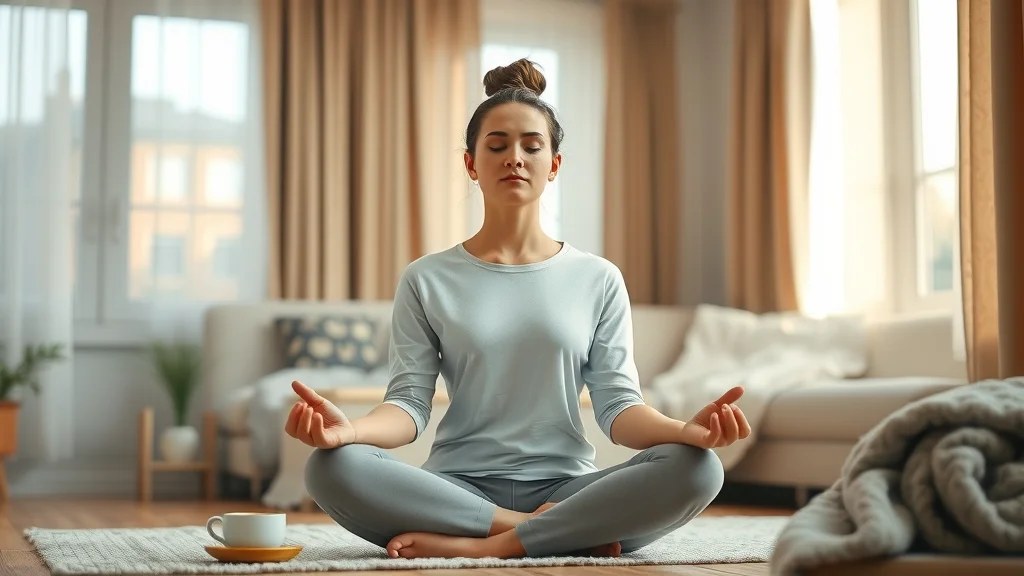
Creating the Right Mental Environment for Self-Hypnosis

As you refine your self hypnosis environment, you might also be curious about how these practices compare to other relaxation techniques. For a deeper understanding of the distinctions and overlaps between hypnosis and meditation, explore the key differences and similarities in this comprehensive guide on hypnosis versus meditation. This can help you tailor your approach and maximize the benefits of both modalities.

If you’re inspired to take your self-hypnosis practice even further, consider broadening your perspective by learning how hypnosis fits within the wider landscape of mind-body wellness. Understanding the nuanced differences between hypnosis and meditation can unlock new strategies for relaxation, focus, and personal growth. By integrating insights from both disciplines, you’ll be better equipped to create a holistic routine that supports your mental health and well-being. Discover advanced techniques and fresh perspectives by visiting our in-depth article on the unique benefits of hypnosis compared to meditation—and continue your journey toward a more balanced, empowered mind.

Self-Hypnosis Practice & Tools

Write A Comment

*
*
Please complete the captcha to submit your comment.
Related Posts All Posts

Developing Focus Through Regular Self-Hypnosis Sessions

Imagine starting your morning in a calm, sunlit room, closing your eyes, and letting the noise of the world fade away as you guide your mind into peaceful concentration. This scenario isn’t just a dream for some—it’s the reality of practicing self hypnosis focus. For many, regular self-hypnosis sessions have become a trusted ally in building sustained attention and resilience, especially in our fast-paced, distraction-heavy world. In this comprehensive guide, you’ll discover why self hypnosis focus is gaining traction as a vital tool for supporting mental health and how you can integrate it into your own life for lasting benefits. Unlocking Potential: How Self Hypnosis Focus Can Improve Mental Health The modern world places hefty demands on our attention spans, often leaving us feeling overwhelmed or scattered. Research and expert consensus increasingly recognize a direct relationship between regular self hypnosis focus and improved mental health. By intentionally guiding your mind into a relaxed and focused state, self hypnosis sessions can calm the nervous system and help you break free from cycles of stress, anxiety, and restless thinking. Whether you're coping with anxiety disorders, struggling with sleep affirmation routines, or simply looking to boost your daily productivity, practicing self hypnosis can create a foundation for emotional balance and mental clarity. Effective self hypnosis focus isn’t just about relaxation. It involves purposefully entering a hypnotic state—between full wakefulness and sleep—where the subconscious mind becomes receptive to positive suggestions. This focused state helps clear mental clutter and brings about enhanced concentration, which ultimately supports both brain health and emotional well-being. While it's common to feel skeptical about hypnosis and hypnotherapy, a growing body of clinical evidence—in areas like pain relief, chronic pain, and attention deficit—reveals that, when practiced consistently, self hypnosis focus can become a vital part of your mental health toolkit. "Many individuals find that self hypnosis focus not only improves concentration but supports overall mental health by fostering calm and clarity." – Expert Hypnotherapist What You'll Learn About Self Hypnosis Focus The science and principles behind self hypnosis focus Benefits for mental health and daily productivity Step-by-step practices to establish a regular self hypnosis routine Comparisons between hypnosis, hypnotherapy, and other relaxation techniques Common misconceptions addressed The Core Concepts: What Is Self Hypnosis Focus? At its heart, self hypnosis focus is a method for guiding your own attention and entering a gentle yet heightened state of concentration. The process wisps you away from daily distractions, helping activate pathways in the brain associated with restorative sleep, stress management, and improved mental clarity. But what’s really happening inside your mind and body during these sessions? Understanding self hypnosis involves exploring its relationship to hypnosis and hypnotherapy. While clinical hypnotherapy is guided by a professional to address specific mental health or physical issues (such as anxiety disorders or chronic pain), self hypnosis gives you agency. It is a skill you can develop to support relaxation, reinforce healthy habits, and tune into your subconscious mind for lasting relief and transformation. Exploring the Link between Hypnosis and Hypnotherapy Defining self hypnosis and comparing it to hypnotherapy Applications for mental health and daily life Both hypnosis and hypnotherapy rely on achieving a relaxed state where the subconscious mind becomes more accessible. While hypnotherapy typically involves a trained practitioner guiding you into a focused state for therapeutic purposes, self hypnosis places control firmly in your hands. This makes it a versatile tool for boosting focus, overcoming attention deficit, or building resilience in response to health issues. It's especially valuable for those who wish to complement professional medical or therapeutic advice with ongoing, proactive self-care routines. Whether your goal is managing stress, supporting mental health, or enhancing daily productivity, integrating self hypnosis focus helps bridge the conscious and subconscious mind—catalyzing positive change from within. For those who desire greater autonomy in their mental wellness journey, developing this skill complements other relaxation techniques and can yield significant, personally meaningful results. Self Hypnosis Focus and Its Impact on Mental Health How focused awareness improves psychological well-being Backed by evidence and expert insights Scientific studies suggest that when we regularly engage in self hypnosis sessions, we activate the body’s nervous system in a way that reduces stress hormones and promotes a tranquil, alert awareness. This focused, hypnotic state quiets the mental chatter that often fuels anxiety or negative thought cycles, making it easier to process complex emotions or even drift into deep relaxation for better sleep. Expert hypnotherapists frequently recommend self hypnosis for individuals seeking relief from mental health challenges such as anxiety disorders, insomnia, or chronic pain. Self hypnosis focus isn’t just a mental exercise—it can visibly affect physical states as well. Many report improved sleep, reduced muscle tension, and greater overall well-being after just a few minutes per day of regular practice. By reinforcing positive beliefs and behaviors through focused attention and affirmation, self hypnosis offers a gentle, accessible route to bolster your psychological resilience. Why Incorporate Self Hypnosis for Focus in Daily Life? If you've ever wished for more hours in your day or found your mind wandering during important tasks, developing self hypnosis focus can be a breakthrough. Integrating self hypnosis into your daily or weekly routines creates a dependable mental oasis—an opportunity to recenter, reset, and refocus in order to bring clarity and peace into every aspect of your life. Unlike some relaxation techniques that offer fleeting calm, self hypnosis harnesses the power of your subconscious mind to fuel long-term improvements. The key is consistency; committing even a few minutes per day can produce significant benefits. Not only does this practice support concentrated attention and boost productivity, but it also empowers you to address emotional and physical challenges head-on. People often report lessened anxiety, diminished tension, and a greater ability to manage daily stressors in their personal and professional worlds through self hypnosis focus. Top Benefits of Self Hypnosis Focus Practices Enhanced focus and productivity Stress reduction and improved relaxation Support for mental health challenges Practicing self hypnosis focus can unlock numerous mental, emotional, and physical rewards. Enhanced concentration and improved productivity are among the most celebrated. By habitually quieting the noise of your conscious mind and connecting deeply within, you can naturally develop sharper planning skills, better short-term memory, and an internal drive for goal achievement. This mental clarity is particularly helpful for those managing attention deficit or needing to maintain sustained focus through long work or study sessions. Beyond cognitive advantages, self hypnosis focus reliably provides profound stress reduction. As you learn to guide yourself into a relaxed state, you train your nervous system to recover more swiftly from life’s everyday pressures. This is invaluable for individuals juggling multiple responsibilities, managing health issues, or seeking effective treatment for anxiety disorders and chronic pain. Many also notice ancillary benefits such as more restorative sleep, consistent energy levels, and an increased sense of control over both physical and mental health symptoms. Self Hypnosis Focus vs. Other Relaxation Techniques While classic relaxation techniques—such as deep breathing, progressive muscle relaxation, and visualization—certainly play a role in stress relief, self hypnosis focus stands out for its unique use of intentional trance and subconscious suggestion. Unlike surface-level calm, self hypnosis engages the deeper mind, allowing you to work with core beliefs, motivations, and emotional triggers that shape daily experience. This distinction makes self hypnosis a valuable complement to traditional relaxation practices, offering both immediate relaxation and deeper personal change. Pairing self hypnosis with other strategies, like guided meditation or sleep affirmation exercises, can further amplify its benefits. The combination encourages both the conscious and subconscious mind to work together, building resilience, increasing adaptability, and anchoring new, healthier habits over time. Many who struggle with sleep disturbances or persistent stress find that integrating self hypnosis focus into their relaxation routine leads to more sustained, long-term results. For those interested in understanding how self hypnosis compares to other mindfulness practices, exploring the distinctions between hypnosis and meditation can provide valuable perspective. You can learn more about the unique benefits and applications of each approach in this detailed comparison of hypnosis vs meditation. Self Hypnosis Focus Relaxation Techniques Intentional trance state Variable methods (breathing, visualization, etc.) Directs subconscious attention Mainly conscious-level Step-by-Step Guide: Practicing Self Hypnosis Focus for Mental Health Getting started with self hypnosis focus can be straightforward, even if you have no prior experience. Developing a regular practice requires mindful preparation, a gentle approach to induction, and simple techniques such as sleep affirmation and guided imagery. The following step-by-step guide will walk you through building a sustainable self hypnosis routine that maximizes both relaxation and mental clarity. Remember, creating your own hypnosis session does not require any special equipment—just a willingness to explore your inner world and a commitment to regular, comfortable practice. Carving out a set space in your routine, whether that’s in the early morning or just before bed, helps train your brain to slip into a state of relaxation and focused attention with growing ease. Preparation: Creating the Right Environment Importance of a quiet space Comfort and safety considerations The environment in which you practice self hypnosis focus plays a crucial role in your ability to achieve a deep, effective state. Choose a quiet space where you won’t be interrupted—this could be a cozy corner in your home, a comfortable chair in your office, or even a dedicated meditation nook. Soft lighting, calming scents (such as lavender or chamomile incense), and a gentle ambient temperature all help signal to your body and mind that it is time for intentional relaxation. Safety and physical comfort are equally important. Make sure your body is supported—use a soft cushion, throw blanket, or chair that encourages you to close your eyes and release tension. If you find yourself thinking about unfinished tasks or outside noise, simply acknowledge it before gently directing your attention back to the present moment. Over time, these cues will help you enter a relaxed state more quickly and fully during each self hypnosis session. Induction: Entering a Focused State Breathing and relaxation technique to calm the body Focusing attention and intention Using positive suggestions for focus and clarity Begin your self hypnosis focus session by taking several slow, controlled breaths. Let each inhale fill your lungs, and each exhale release lingering tension from your body. Drop your shoulders, relax your jaw, and allow your muscles to ease into a tranquil, grounded state. As you feel your body begin to settle, focus your attention on a single intention—such as improving concentration, managing stress, or cultivating better sleep. With your eyes closed, silently repeat a positive suggestion or affirmation like, “I am calm, clear, and able to focus on what matters most. ” Imagine each word sinking effortlessly into your subconscious mind, reinforcing your intention and preparing the groundwork for deeper change. If thoughts begin to wander, simply acknowledge them with kindness, then gently refocus. Over time, this practice strengthens your ability to enter a hypnotic state quickly and anchor new, healthier mental habits. Integrating Sleep Affirmation and Guided Imagery Visualization techniques to reinforce positive focus Using sleep affirmation to enhance results Visualization and sleep affirmation are powerful self hypnosis techniques that help imprint your desired state on the subconscious mind. As you rest comfortably, picture a scene where you are performing at your highest focus and calm—maybe completing a complex task with ease, feeling relaxed and prepared before an important meeting, or drifting into deep, restorative sleep at the end of the day. Pair this mental imagery with soothing affirmations. For example, repeat to yourself: “Each night, I drift into deep and restorative sleep. My mind and body are fully relaxed. ” Practiced consistently, these methods help condition the mind to respond with focus and calm at will, extending the benefits of self hypnosis focus into every aspect of your daily routine. Watch: Animated walkthrough of a step-by-step self-hypnosis focus session, including setting up the environment, relaxation, induction, using affirmations, and concluding with gentle awakening. Presented with calming visuals, clear demonstration, and relaxing background music. Self Hypnosis Focus for Different Goals The versatility of self hypnosis focus means it can be adapted for many personal goals, from improving health behaviors to addressing sleep disturbances. Two of the most popular applications are using self hypnosis focus for weight loss and for enhancing restorative sleep. By tailoring hypnotic suggestions and visualization to your specific needs, you can accelerate habit change and see improvements in both physical and mental health. Applying Self Hypnosis Focus for Weight Loss and Healthy Habits Subconscious reinforcement for habit change Example approaches Weight loss journeys often involve breaking ingrained patterns and resisting powerful cravings. Self hypnosis focus helps you work directly with the subconscious mind to anchor new routines and healthy eating habits. For example, you can use sessions to visualize making positive food choices, feeling satisfied with smaller portions, or enjoying physical activity. Repeating simple affirmations like, “I nourish my body with healthy foods every day,” reinforces these behaviors and can make lasting change more attainable. This approach not only supports weight loss, but it also addresses the emotional aspects of eating and self-care. Many people find that, over time, the urge to overeat or succumb to unhealthy snack habits fades, leading to more sustainable results. Combined with regular practice and kind self-reflection, self hypnosis focus can be a valuable companion on your journey to better health. Enhancing Sleep with Self Hypnosis Focus and Affirmations Using sleep affirmation scripts Managing insomnia and restless nights Struggling with insomnia or anxious nights can take a toll on both physical or mental health. Self hypnosis focus, especially when paired with sleep affirmation scripts, provides a gentle alternative for those seeking to fall asleep easily and achieve deep, restorative rest. Begin your session with a winding-down ritual: dim lights, relax your body, and repeat to yourself, “With each breath, I sink deeper into calm and peace. ” Eventually, these cues will become an automatic signal to your subconscious that it’s time to let go. For chronic sleep disturbances, integrating guided imagery—such as picturing yourself in a safe, tranquil environment—can create positive associations with bedtime. Combined with consistent self hypnosis focus, this dual practice can make it easier to transition from wakefulness to sleep, reduce nighttime anxiety, and awaken feeling refreshed and stable. Watch: Visual demonstration of self hypnosis focus for sleep affirmations and relaxation techniques. See how creating a bedtime ritual can ease the mind, encourage restorative sleep, and help you awaken with clarity and energy. Common Barriers and Myths About Self Hypnosis Focus Despite its growing popularity, myths and misconceptions still surround self hypnosis focus. Addressing these misunderstandings is key to making this mental health tool more accessible and effective for everyone. Many worry about safety or doubt their own ability to enter a hypnotic state without professional help. In reality, self hypnosis is a safe, natural, and effective practice when done thoughtfully and consistently—no special talent or background required! Dispelling Misconceptions Surrounding Hypnosis and Hypnotherapy Reality vs. myth: What self hypnosis focus is not Addressing safety and efficacy concerns for mental health One of the most persistent myths is the belief that hypnosis can make you lose control or behave against your will. In fact, during a self hypnosis session, you remain aware and fully in control; the process simply quiets your conscious mind to help access deeper resources and creativity. Unlike stage hypnosis or sensationalized media portrayals, self hypnosis is a methodical and gentle tool for mental health and well-being. Another concern—especially for those with existing health issues—is whether hypnosis and hypnotherapy can be safely integrated into their daily routine. As always, consult with your healthcare provider if you have questions or underlying medical conditions. For the vast majority, self hypnosis focus is a low-risk, evidence-based relaxation technique that complements existing treatments and fosters resilience over time. Overcoming Initial Difficulties in Practicing Self Hypnosis Focus Staying patient with results Strategy for building a sustainable routine It’s not uncommon to experience frustration or impatience when first starting self hypnosis focus. Some may worry they’re “not doing it right” or get discouraged if results aren’t immediate. The key is persistence—change happens gradually as your brain forms new pathways around focus and relaxation. Set realistic expectations and celebrate small shifts, such as feeling slightly calmer or more present after a few sessions. For those hoping to make self hypnosis a sustainable habit, pairing the practice with existing routines (like brushing your teeth or daily meditation) will aid consistency. Recording progress in a journal or tracking symptoms related to mental health, attention, or sleep can provide valuable feedback and keep you motivated. The longer you stick with your daily practice, the more natural and rewarding the experience becomes. List: Essential Tips for Effective Self Hypnosis Focus Consistency in daily or weekly practice Pairing self hypnosis focus with other relaxation techniques Journaling post-session reflections Tip 1: Practice consistently. Whether you set aside five minutes per day or dedicate a longer session each week, regularity helps train your mind to respond more easily and enter a “relaxed and focused” state. Tip 2: Mix self hypnosis with other relaxation strategies such as deep breathing, gentle stretching, or guided imagery to support a comprehensive approach to wellness. Tip 3: Reflect after each hypnosis session. Journaling helps reinforce positive experiences, surface new insights, and document progress toward specific mental or physical health goals. Frequently Asked Questions About Self Hypnosis Focus Can hypnotherapy help with dementia? Evidence-based perspectives on mental health benefits While there is no cure for dementia, some studies suggest that hypnotherapy can offer supportive benefits for both patients and caregivers. Techniques focusing on relaxation, memory enhancement, and anxiety reduction can improve daily quality of life. However, always consult with a professional medical provider to determine the best approach for individual cases. Can hypnosis help with MS? Insights on hypnosis and hypnotherapy as supportive techniques Hypnosis and hypnotherapy have shown promise in supporting people with multiple sclerosis (MS) by easing symptoms such as pain, stress, and sleep disturbances. These practices are best used as complementary strategies alongside conventional medical treatments, helping some individuals develop better coping mechanisms and maintain emotional stability. Can hypnosis help with sleep apnea? Research and clinical opinion on hypnosis, relaxation technique, and sleep problems While hypnosis may not address the physical causes of sleep apnea, it can be helpful in managing related insomnia, anxiety, and stress through relaxation techniques and sleep affirmations. Always seek guidance from a sleep specialist to adequately address sleep apnea and integrate hypnosis as part of a holistic sleep improvement plan. What is the rule of 7 in hypnosis? Explanation of the concept and its significance in self hypnosis focus The “rule of 7” in hypnosis generally refers to the idea that, on average, a person may need to hear a suggestion at least seven times before it starts to influence the subconscious mind. This principle underscores the importance of repetition—consistent, daily exposure to positive suggestions during self hypnosis focus sessions strengthens new habits and beliefs over time. Key Takeaways for Practicing Self Hypnosis Focus Regular practice supports mental health Self hypnosis focus is accessible and adaptable Integrating relaxation techniques and sleep affirmations enhances efficacy Explore the Power of Self Hypnosis Focus Today Consistently dedicating time to self hypnosis focus can help unlock your full potential—improving concentration, soothing the nervous system, and supporting long-term mental health. Start building your daily practice now and experience restful sleep, sharper attention, and a renewed sense of calm in every aspect of life. If you’re eager to deepen your understanding of mind-body practices and discover how self hypnosis fits within the broader landscape of wellness, consider exploring the differences and synergies between hypnosis and meditation. This broader perspective can help you tailor your approach for even greater mental clarity and resilience—visit Hypnosis vs Meditation: What’s the Difference? for advanced insights and next-level strategies.

Simple Self-Hypnosis Tools for Everyday Use

Imagine this: You’re sitting comfortably at home after a stressful day, gently closing your eyes as soft light filters through the window. In just a few minutes, using a simple self hypnosis tool, your busy mind quiets, your body relaxes, and you feel empowered to handle life’s daily challenges with new ease. Self hypnosis tools are no longer reserved for therapy rooms—they’re practical, accessible, and ready to help you transform your daily well-being. Unlocking the Power of Self Hypnosis Tools in Everyday Life Self hypnosis tools have become a bridge between our busy consciousness and the deep, relaxing state known as trance. These tools aren’t just for clinical hypnosis or weight loss programs—they’re everyday resources designed to help anyone enter a trance state, redirect negative thoughts, and foster positive change. Whether you’re looking to unwind after work, prepare mentally for an upcoming challenge, or address ongoing stress, self hypnosis tools can be integrated into your routine with remarkable versatility. The real beauty of self hypnosis tools lies in their flexibility. From guided audio downloads to physical relaxation aids, these resources transform the process of entering a hypnotic state into an empowering way to improve mental health, manage emotional eating, or even tackle specific problems like negative thoughts and smoking cessation. As digital options have expanded, so have opportunities to personalize your self hypnosis practice, ensuring you find tools that match your lifestyle and privacy needs. What You'll Learn About Self Hypnosis Tools for Everyday Use Key benefits of incorporating self hypnosis tools into your daily routine A review of popular self hypnosis tools and digital downloads for personal transformation How self hypnosis tools function as hypnotic triggers for relaxation and focus User testimonials and expert quotes on the effectiveness of self hypnosis tools Considerations for choosing the right self hypnosis tool, including personalization and privacy Understanding Self Hypnosis Tools: A Foundation Defining Self Hypnosis Tools and Their Growing Popularity Self hypnosis tools are resources designed to help people achieve a trance state independently, using techniques that trigger the subconscious mind to support positive change. These tools include digital downloads, mobile apps, guided scripts, and environmental triggers such as specific objects, scents, or music. Their growing popularity comes from increasing public awareness of mental health, a desire for self-care practices that can be done at home, and the convenience offered by technology. Unlike traditional hypnosis sessions with a qualified hypnotherapist, self hypnosis tools offer the flexibility to fit into any schedule and can address a wide range of specific problems, from reducing negative thought patterns to supporting emotional healing. One reason these tools have surged in popularity is their evidence-backed ability to help users induce a trance and enter a state of relaxation safely. By guiding the conscious mind to quiet and allowing positive suggestions to take root, self hypnosis can be an empowering way to improve overall well-being, emotional balance, and thought process management. While clinical hypnosis typically involves a licensed practitioner, today’s self hypnosis tools give everyday users direct access to this technique’s power without leaving home. For those interested in understanding how self hypnosis compares to other popular wellness practices, exploring the distinctions between hypnosis and meditation can provide valuable context and help you choose the right approach for your needs. You can learn more about the unique benefits and differences in this in-depth guide on hypnosis versus meditation. Digital Download Options: Accessing Self Hypnosis Tools Instantly The rise of digital download self hypnosis tools has revolutionized accessibility. With just a smartphone or computer, users can select from a wide range of resources—audio guides, video demonstrations, and customizable apps—that deliver instant support for inducing a hypnotic state. These downloads make change possible anywhere: in the car, during a lunch break, or as part of your nightly wind-down routine. No shipping is required, and the flexibility is unmatched—choose sessions for relaxation, focus, weight loss, or even deeper trance work at your own pace. Many self hypnosis apps and platforms include features like personalized voice settings, reminder notifications, progress tracking, and the ability to tailor sessions to one’s specific thought process or goal. You’ll often find that free shipping is not a concern with digital downloads, making them not only convenient but cost-effective. The ease of access and diversity of tools are key reasons why digital downloads are becoming the preferred option for many seeking to improve their mental health independently. Personalized Advertising and Self Hypnosis Tools: What to Know As the self hypnosis tool market grows, personalized advertising has become common across websites and mobile platforms. When users browse or download hypnosis tools, data such as session preferences or browsing history might influence the ads you see—often promoting similar tools that may fit your needs. While this can help users discover a wider range of resources quickly, it also raises important questions about privacy and data protection, especially when tools relate to mental health or sensitive personal goals like weight loss or emotional eating. Before downloading or purchasing, it’s wise to consider each provider’s privacy policy. Look for clear information on how your data is used, what is shared with advertisers, and if you have control over your personal content. Some may use advertising to offer free or discounted sessions—be sure to check if this involves sharing any information with an ad by a seller, and ensure your mental health journey stays protected. Transparency is a major factor in choosing the right self hypnosis tool for your needs. Hypnotic Trigger Techniques: Practical Self Hypnosis Tools for Everyday Use What is a Hypnotic Trigger in Self Hypnosis Tools? A hypnotic trigger is a sensory cue—such as a sound, gesture, or object—that prompts your mind to enter a trance state or access a state of relaxation. These triggers are foundational in self hypnosis tools, providing immediate access to feelings of calm, focus, or motivation. Whether it’s the gentle sound of a specific chime during a digital download, the touch of a smooth relaxation stone, or a particular breathing pattern, the hypnotic trigger helps bypass the conscious mind and guide you quickly into a hypnotic trance. Many people find that repeated use of a well-chosen hypnotic trigger anchors positive change. Over time, simply hearing the associated sound or repeating a phrase can induce a trance and activate the desired thought process, making these tools highly practical for daily routines. These triggers can also be tailored to target specific problems—like emotional eating or unwanted habits—by linking the cue to new, healthier responses rather than old negative thoughts and emotions. Crafting Your Own Hypnotic Trigger with Self Hypnosis Tools Designing your personal hypnotic trigger involves a few simple steps. Start by selecting a sensory input that feels calming and accessible—a tactile object, a fragrance, a word, or a movement. During your self hypnosis session (often guided by a digital download or script), introduce this cue when you are relaxed and focused, allowing your subconscious to associate it with your chosen trance state. By consistently pairing this cue with a state of relaxation or a specific positive suggestion, you reinforce its power as a trigger. Your hypnotic trigger becomes more effective with repetition. Over days and weeks, practice using your trigger each time you need relief from stress, to manage negative thought patterns, or to prepare for a specific challenge like weight loss or public speaking. For many, these triggers become automatic signals for mental calm and clarity. Remember: The more personal and meaningful the cue, the stronger its effect on your thoughts and emotions. Case Example: Weight Loss and Hypnotic Triggers Consider the example of someone working on weight loss through self hypnosis. Emotional eating and negative thoughts about food can sabotage progress. By using a digital download hypnosis session that combines guided visualization with a specific hypnotic trigger—like tapping a bracelet or holding a calming stone—the individual learns to induce a trance state and reprogram their automatic responses to food-related stress. Over time, when faced with a temptation or stressor, the simple action of using the hypnotic trigger can bring about a state of relaxation, counteracting negative emotions and supporting a healthier choice instead. This technique illustrates how self hypnosis tools offer a flexible, empowering way to improve not only weight loss outcomes but also the broader thought process related to self-image, cravings, and well-being. With ongoing practice, hypnotic triggers can interrupt old patterns and foster positive change, all without requiring the constant supervision of a licensed practitioner. Comparing Popular Digital Download Self Hypnosis Tools Features and Benefits of Leading Self Hypnosis Tools Tool Name Features Primary Benefits Personalization Privacy Considerations App-Based Audio Guides Customizable sessions, reminders, goal tracking Immediate trance access, habit support, stress relief High (tailored scripts, voice & duration) User-controlled settings, encrypted data Guided Visualization Downloads Specific triggers, targeted outcomes Focused on single issue (e.g. weight loss, anxiety) Moderate (choose theme, difficulty level) Minimal sharing, often ad-free Physical+Digital Hybrid Packages Object trigger, physical guidebook, app integration Tangible cues for daily practice, sensory reinforcement High (combine personal items with audio) Physical data privacy, app customization How to Select the Right Digital Download for Your Needs With so many self hypnosis tools available, it’s vital to consider your unique goals and comfort. Look for tools that specifically address your needs—whether that’s building confidence, managing emotional eating, or improving sleep quality. Reviews and ratings help identify downloads with proven effectiveness, and many platforms let you preview sessions before purchase. Consider also the practical details: Does the tool require an internet connection? Are your sessions stored privately? If you value quick access, a purely digital download may suit you. For those who like tangible reminders, hybrid options with object triggers are ideal. It’s also important to assess what type of personalized advertising—if any—is used. Some digital downloads come with promotional offers, an ad by a seller, or recommendations for additional resources. If you prefer minimal data sharing and maximum privacy, choose platforms that are transparent about their policies and let you opt out of targeted advertising. The best tool is one that feels safe, comfortable, and fits seamlessly into your everyday routine. Personal Data and Privacy: Navigating Personalized Advertising in Self Hypnosis Tools A growing focus on privacy means users must be alert when selecting digital self hypnosis tools, especially as personalized advertising targets those browsing for mental health and well-being resources. Reputable platforms provide clear disclosures about which types of personal or session data may be shared—often with an ad from a seller or for audience analysis. Users should look for settings that allow full control over advertising preferences and data retention, ensuring that your mental health practice remains secure and confidential. When exploring a wide range of options, check if digital downloads offer free shipping (for physical components), and whether any data may be used beyond your intended purpose. A good rule: If a self hypnosis tool makes it easy for you to manage your privacy settings—and does not require excess personal details—it’s likely a trustworthy option. Regular updates in privacy policies and user feedback are further signs of a responsible provider. Expert Insights & Real User Experiences with Self Hypnosis Tools “Many of my clients find that simple, accessible self hypnosis tools can make life-changing shifts in their day-to-day well-being.” – Clinical Hypnotherapist Community Review Highlights: Success Stories with Self Hypnosis Tools User reviews frequently highlight the transformative impact of self hypnosis tools, especially digital download resources. Many individuals report experiencing immediate relief from negative thoughts, improved relaxation, and enhanced focus, citing how tools like guided scripts and app-based triggers made it easy to integrate hypnosis sessions into their busy schedules. Users managing weight loss or emotional eating often find success, noting that having a dedicated hypnotic trigger anchored healthy habits and minimized setbacks. Some of the most compelling stories come from those who had not previously tried clinical hypnosis. They express surprise at how quickly they could enter a trance state at home, and how these tools provided empowerment where traditional support was not always available. The sense of community—such as sharing tips on forums or local groups—has fostered greater openness around mental health, helping to reduce negative thought patterns and improve daily well-being for people of all backgrounds. Expert Perspective: The Future of Self Hypnosis Tools in Mental Health Experts predict that the next wave of self hypnosis tools will harness both digital innovation and human-centered design. This includes AI-powered customization, advanced privacy controls, and features that adapt to users’ thought processes in real-time—effectively blending the strengths of clinical hypnosis with on-demand accessibility. As mental health challenges manifest in new ways, self hypnosis tools are expected to fill gaps in support networks, offering an empowering way to improve well-being and manage stress even outside the therapist’s office. Additionally, experts emphasize the growing importance of protecting user data as the landscape of personalized advertising evolves. They recommend seeking out platforms developed by certified professionals, with transparent privacy practices and involvement from licensed practitioners, to maintain the highest standards of safety and efficacy. How Self Hypnosis Tools Support Crisis Line and Mental Health Services Integrating Self Hypnosis Tools with Crisis Line Support Self hypnosis tools have found a unique role alongside crisis line and mental health services. While they cannot replace immediate support from a qualified hypnotherapist or healthcare professional during acute situations, these tools can complement crisis intervention by helping users regulate thoughts and emotions before, during, or after seeking help. For example, guided digital downloads and app-based relaxation techniques are increasingly recommended by crisis counselors as grounding strategies. These may help individuals reduce overwhelming negative thoughts and enter a calm state in moments of distress. The integration of self hypnosis tools into crisis line protocols underscores their value as practical, user-driven mental health solutions. By teaching individuals how to induce a trance and navigate stressful events, these tools can reduce the duration and intensity of a crisis, allowing for more effective communication with support teams and mental health professionals. Best Practices: When to Use Self Hypnosis Tools and Seek Additional Help Although self hypnosis tools can be highly effective, there are best practices to ensure safety and optimal outcomes. Use self hypnosis as a daily or weekly routine for managing negative thoughts, relieving stress, or reinforcing positive change. However, for issues that are persistent, severe, or related to trauma, always consult a healthcare professional or crisis line. Combining hypnosis tools with professional counseling offers the best of both worlds: personal empowerment and expert guidance. Remember: Self hypnosis should not be considered a substitute for clinical help when dealing with life-threatening mental health crises or symptoms that interfere with daily functioning. When in doubt, prioritize your safety and seek support from licensed practitioners or crisis intervention services. Lists: Everyday Self Hypnosis Tools to Try Now Self-guided audio digital downloads Mobile apps with hypnotic trigger programs Guided relaxation scripts Environmental hypnotic triggers—scents, colors, objects Visualization cards for self hypnosis People Also Ask: Common Questions About Self Hypnosis Tools Can I learn self-hypnosis on my own? Yes, self-hypnosis can be learned independently with the help of self hypnosis tools like guided audio digital downloads or mobile apps. These tools break down the steps for entering a hypnotic trance, making it accessible even for beginners. Practice and consistency are key, and tools that include hypnotic triggers make change more natural over time. If you encounter challenges, a consultation with a licensed practitioner can provide extra guidance. Can hypnotherapy help with dementia? While hypnotherapy, including self hypnosis tools, is not a cure for dementia, research suggests it can help manage some symptoms like agitation, anxiety, and stress. Self hypnosis tools may provide calming routines or relaxation exercises that support well-being, though clinical guidance from a qualified hypnotherapist is recommended for individuals with dementia. Always consult with healthcare professionals for tailored care. What is the rule of 7 in hypnosis? The “rule of 7” in hypnosis refers to the idea that reinforcing a suggestion or repeating a hypnotic cue several times—in many cases, seven—helps embed new behaviors and thought patterns in the subconscious mind. This repetition helps users induce a trance and adopt positive change more effectively. Self hypnosis tools are designed around such principles, using guided scripts and triggers to support new behaviors over time. Can hypnosis help with MS? Hypnosis and self hypnosis tools have shown potential in supporting those with multiple sclerosis (MS) by helping manage stress, pain, and fatigue. Techniques such as guided relaxation and trance induction may improve quality of life, but results vary by individual. Research is needed for definitive recommendations, so it’s best used as a complementary strategy with guidance from a healthcare professional. FAQs About Self Hypnosis Tools Are self hypnosis tools safe for everyone? Most self hypnosis tools are safe for general use, but individuals with certain psychiatric or neurological conditions should consult a licensed practitioner first. When in doubt, check with a healthcare professional. What is the best way to start using self hypnosis tools? Begin with guided audio downloads or apps with clear instructions. Choose tools that offer step-by-step support and practice regularly for best results. Do digital downloads expire or require internet access? Most digital downloads are permanent and stored on your device, but always review the provider’s details. Some may need occasional internet access for updates or feature unlocks. How do self hypnosis tools protect user privacy with personalized advertising? Leading platforms provide privacy policies detailing any ad from a seller or data use. Opt for downloads where you control ad settings and review privacy levels often. A short documentary-style video showing a guided self hypnosis demo session: friendly narrator, clear close-ups of an instructor, digital device interfaces, and calming environments. Visuals include step-by-step demonstrations with smooth transitions, natural daylight, and diverse participants. Subtle background music, high-definition, clean branding aesthetics. Key Considerations for Finding the Best Self Hypnosis Tools for Your Lifestyle User Reviews and What to Look For User reviews are invaluable when selecting self hypnosis tools. Look for consistent praise on ease of use, effective hypnotic triggers, privacy protection, and customer support. A wide range of positive feedback suggests the tool is adaptable for different needs—especially important if you’re seeking a resource that can provide customization or address a specific problem. Examine feedback for details about long-term effectiveness, accessibility of digital downloads, and whether the tool helped with goals like entering a trance state or managing negative thoughts. Trustworthy tools typically have a transparent review process, balanced feedback, and input from users with similar goals to your own. Negative reviews about advertising or privacy should be examined carefully to ensure your mental health journey remains positive and secure. Overall, let community experiences guide your decision alongside your own needs. Digital Download vs. Physical Guides: Pros and Cons Choosing between digital downloads and physical guides depends on your preferences and daily routine. Digital downloads offer immediate access, portability, and a wide range of features—perfect for users who value convenience, discreet practice, and frequent updates. They often include personalized settings and instant access without the need for free shipping or waiting for delivery. Physical guides, on the other hand, provide tactile engagement. For some, the act of holding a relaxation aid or reading from a booklet solidifies the routine and enhances the hypnotic experience. Consider hybrid packages if you’re interested in both approaches—many providers now bundle physical objects with digital hypnosis session downloads for comprehensive support. Ultimately, the best self hypnosis tool is one that aligns with your habits, protects your privacy, and fosters positive change in your thought process and daily life. Key Takeaways for Making the Most of Self Hypnosis Tools Self hypnosis tools are accessible, flexible, and can be integrated into daily routines. Personalization and privacy are increasingly important when selecting a self hypnosis tool. Digital downloads provide instant access to a wide range of self hypnosis resources. Next Steps: Explore and Transform With Self Hypnosis Tools Now Ready to make a positive change? Explore self hypnosis tools today and empower yourself to enhance your well-being—every day. If you’re eager to deepen your understanding of mind-body practices and want to discover how self hypnosis fits within the broader landscape of wellness techniques, consider exploring the nuanced relationship between hypnosis and meditation. Gaining clarity on their similarities and differences can help you tailor your personal growth journey and maximize the benefits of each approach. For a comprehensive comparison and actionable insights, visit this detailed article on hypnosis versus meditation and take your next step toward holistic well-being.

Why Self-Hypnosis Works Best with Consistency

Imagine starting your day with a calm mind—thoughts clear, emotions balanced, and ready to handle whatever comes your way. It might sound like a lofty goal, but practicing self hypnosis consistency can make this your new reality. By engaging in regular self-hypnosis, you not only unlock avenues for stress relief and emotional balance but also cultivate powerful shifts in mental clarity and thought patterns. In this article, we’ll explore exactly why routine, not randomness, is the true secret behind self-hypnosis's transformative impact on mental health. Unlocking Mental Clarity: The Case for Self-Hypnosis Consistency At its core, self hypnosis consistency means establishing a regular practice—much like brushing your teeth or exercising. This steady repetition is what helps the subconscious mind absorb positive suggestion and gradually transform old thought patterns. Regular self-hypnosis supports a relaxed state, reduces daily stress, and fosters resilience, which are essential for lasting mental health improvements. Studies show that consistent routines support the nervous system in adopting healthier patterns of brain activity, reinforcing not only stress management but also deep relaxation and a clearer mental state. Making self-hypnosis a staple in your daily life pays dividends across a wide range of mental health goals: whether it’s seeking mental clarity, better stress management, or developing positive change. Unlike a sporadic approach—where instant results might be sought but are rarely lasting—consistent practice yields steady growth, helping users move from daily life chaos to a more emotionally balanced experience. The power of self-hypnosis emerges most strongly when sessions are woven into routine, becoming a natural source of stress relief, positive suggestions, and improved quality of life. Scenario: The Subtle Power of Regular Self-Hypnosis Practice Picture this: Every evening, you take 10 minutes to sit quietly, close your eyes, and focus on calming suggestions. Over several weeks, you notice you’re feeling calmer, handling work setbacks with more composure, and thinking more positively. What’s changed? It’s the regularity—by reinforcing the positive suggestions in a repeated, familiar environment, you’ve taught your brain to expect and relax into this state of mind, making peace and clarity a habit, not just a fleeting event. This scenario reflects the quiet but profound transformation attainable through consistent self hypnosis, affecting a wide range of issues from emotional stability to increased mental clarity. For those interested in how self hypnosis compares to other mind-body practices, exploring the distinctions between hypnosis and meditation can provide valuable context for building a consistent routine. Understanding these differences may help you tailor your approach for even greater mental clarity and relaxation. Learn more in this in-depth guide on hypnosis versus meditation. How Consistency in Self Hypnosis Builds Long-Term Mental Health Benefits The benefits of self hypnosis consistency extend well beyond the expectations of a single session. Regular exposure to positive suggestions trains both the conscious mind and subconscious mind to choose healthier thought patterns automatically. This process re-wires the brain’s default responses, making it easier to transition into a relaxed state, manage daily stress, and rebuild self-esteem over time. Consistent routines are correlated with increased emotional resilience and enhanced focus—qualities foundational for robust mental health and mental clarity. It’s not about overnight change, but about repeated, small steps toward lasting improvement. What You'll Learn About Self Hypnosis Consistency How self hypnosis consistency impacts thought patterns and mental health The science connecting positive suggestion and the nervous system Steps to establish a routine that fosters relaxation and resilience Evidence-based techniques for maintaining mental clarity Understanding Self Hypnosis Consistency: Foundations for Transforming Thought Patterns Before you can harness the transformative power of regular self hypnosis, it’s important to understand what consistency truly means in this context. At its essence, it’s about turning self-hypnosis into a daily (or near-daily) habit so your subconscious mind becomes acquainted with positive suggestions, effectively reshaping the mental state. Consistency is more than frequency—it’s about making each session intentional, focused, and incorporated into your lifestyle, forging new pathways in your thought patterns and reinforcing deep relaxation. Over time, small, persistent actions yield profound shifts in your mental clarity, emotional stability, and stress management capabilities. Without intentional, regular effort, the benefits of self hypnosis tend to dissipate, much like the fleeting calm from a single meditation or relaxing activity. By analogy, practicing self hypnosis sporadically is like training for a marathon by jogging once a month: the results simply won’t stick. The true magic lies in the cumulative effect—each session builds on the last, gradually retraining your brain’s default reactions so that positive suggestion and stress relief become second nature. This is why professionals and clinical practitioners universally stress the importance of continuity when engaging with self hypnosis for mental health. Defining Self Hypnosis Consistency and Its Role in Mental Clarity Self hypnosis consistency refers to deliberately scheduling and engaging in self hypnosis at regular intervals, allowing your mind and body to absorb new, positive patterns through repeated suggestion. When sessions are spaced predictably, the subconscious mind grows accustomed to entering a relaxed state quickly. Over time, this increases the brain’s receptivity to healthy new thought patterns, strengthening your mental clarity and supporting ongoing mental health improvements. Building in moments for progressive relaxation and positive suggestion helps the brain wave activity shift into alpha and theta states, enabling both conscious and subconscious change—quite similar, yet still distinct from practices like meditation. This ongoing commitment acts as scaffolding for thought habits and emotional stability. It’s not just about practicing when you feel like it; it’s about building a strong mental foundation by showing up at a designated time, day after day. As you become familiar with the routine, the process of entering a hypnotic state and focusing on positive change becomes easier and more fruitful, driving both mental clarity and a wide range of mental health benefits. Self Hypnosis Consistency vs. Sporadic Practice: What Makes the Difference in Mental Health While occasional sessions might offer short-term relief or moments of insight, the benefits soon fade if not repeated regularly. Consistency means your subconscious mind is continually reminded to embrace positive suggestions, while sporadic efforts cannot provide the same reinforcement. It’s the difference between fleeting, surface-level stress relief and deeply ingrained, lasting change. Over time, regular practice results in more robust, automatic responses to stress and anxiety, helping users maintain a more emotionally balanced, resilient mental state. Consistent routines also make it easier to track progress, identify patterns, and celebrate improvement. "Consistency is the cornerstone of any effective self-hypnosis practice. The daily repetition of positive suggestion profoundly reshapes thought patterns in a lasting way." – Leading Clinical Hypnotherapist The Science Behind Self Hypnosis Consistency: Nervous System and Relaxed State Responses The science of self hypnosis consistency centers around the body’s response to repeated relaxation and positive suggestion. Consistent self hypnosis practice encourages the nervous system to create a predictable, safe signal for deep relaxation, lowering basal stress levels and helping the conscious mind become more adaptable. Stress hormones decrease, heart rate slows, and breathing deepens—all of which reinforce a state conducive to new learning and emotional reset. This pattern, repeated over time, encourages both a relaxed state and improved overall mental health. From a neuroscience perspective, practice shifts the balance of brain activity into beneficial alpha and theta brain wave patterns, associated with calm, focused attention and expanded subconscious accessibility. Studies show that the brain’s neuroplasticity is heightened during repeated episodes of focused relaxation—as happens in self hypnosis—making new thought patterns “stick” more easily. As the nervous system learns to expect and quickly access this relaxed state, it becomes a powerful tool for managing daily stress, overcoming negative habits, and cultivating more positive change. This biological feedback loop is why regular practice outperforms sporadic efforts, underlying the transformative potential of self hypnosis consistency. How the Nervous System Responds to Consistent Self Hypnosis Every time you engage in self hypnosis, your nervous system is gently trained to recognize the cues of safety and relaxation. With routine exposure, the mind and body synchronize to enter a relaxed state more swiftly, learning to release tension and shift into restorative brain wave patterns. The conscious mind becomes increasingly adept at adopting positive suggestions, while the subconscious mind opens itself to lasting, healthy changes. Over a period of weeks, these small, regular adjustments create a measurable impact on overall mental clarity and resilience, making it easier for you to stay emotionally balanced even during life’s challenges. Additionally, regular self hypnosis fosters a sense of predictability and control over emotional responses—a vital asset for those seeking mental health benefits that extend beyond occasional stress management. By integrating self hypnosis consistency, the nervous system develops a new “default” state, one where calm and clarity are the norm, not the exception. This is the powerful tool behind the profound shifts witnessed in people who commit to steady, mindful practice. Establishing a Relaxed State Regularly to Support Mental Health Consistency is the key to teaching the body and mind how to enter a relaxed state at will, bypassing the knee-jerk fight-or-flight response to daily stress. Through regular repetition, your system learns not only to accept but to crave relaxation, helping you become more emotionally stable and resilient. This repeated practice supports everything from stress relief to mental clarity, since it affects the roots of both physical tension and persistent negative thought patterns. The process is cumulative: with each practice, your ability to drop into deep relaxation improves, building a foundation for long-term mental health and enhancing your capacity to handle life’s ups and downs gracefully. Most importantly, routine self hypnosis is accessible to anyone — it doesn’t require special equipment or extensive training. Whether you incorporate guided audios, focus on slow breathing, or use traditional hypnotic suggestions, the act of repeating these steps creates tangible, positive change. Over time, this regularity builds a powerful mental foundation, reducing anxiety and making you feel more emotionally balanced. Table: Effects of Routine Self Hypnosis Consistency on Mental Clarity and Thought Patterns Practice Frequency Mental Clarity Thought Patterns Occasional/Sporadic Short bursts of clarity Temporary shifts, little long-term change Weekly Moderate improvement, gradual buildup Some reinforcement, patterns slowly changing Daily (Consistent) Sustained clarity, sharper focus Healthy patterns deeply established, automatic responses improve Mechanisms of Change: Self Hypnosis Consistency, Thought Patterns, and Positive Suggestion So, how does self hypnosis consistency actually recreate your mental landscape? The answer rests in the powerful intersection of habit, neurobiology, and psychology. Regular practice means the same neural pathways are activated repeatedly—this repeated “firing” helps “wire” new responses and attitudes into the brain. By delivering positive suggestion over time, you are essentially reprogramming the subconscious mind to expect— and respond with—healthier, more productive thought patterns. Over weeks and months, these suggestions begin to overshadow older, unhelpful habits, creating space for new growth, sharper mental clarity, and improved stress management. This effect is not limited to emotional well-being. Consistent self hypnosis can bolster concentration, resilience, and overall cognitive function, making it an ideal tool for those seeking comprehensive mental health gains. The beauty of the process is its adaptability: positive suggestions can be customized to any goal, making this a versatile approach to mind-body wellness. Implementing Positive Suggestion Repetitively for Lasting Benefits Positive suggestion is at the heart of successful self hypnosis, but repetition is what gives it power. By introducing new, affirming ideas into the subconscious mind again and again, it's possible to slowly replace destructive self-talk with empowering beliefs. Over time, these consistent statements help engrain healthier, more optimistic thought patterns—even without conscious effort. Journaling after each session can reinforce these benefits, providing a record of change that motivates ongoing commitment. As you track your progress, you’ll see incremental improvements: less intrusive negative thoughts, more confidence, and a growing ability to navigate challenges with clarity and calm. Practical tip: Pair your positive suggestions with a progressive relaxation sequence and slow, deep breaths. This combination sets the stage for greater receptivity in your subconscious mind, further solidifying the intended changes. How Consistent Self Hypnosis Rewires Thought Patterns Self hypnosis consistency leverages the brain’s adaptability to create new default pathways. When you focus daily on positive suggestions and relaxation, your brain recognizes this routine as a priority—eventually shifting your “set point” for emotional balance and mental clarity. This is why regular practice leads to lasting change while sporadic practice offers only fleeting results. Each session allows you to revisit and reinforce your goals, solidifying healthy thought patterns and making positive responses automatic. Over time, your reactions to stress and setbacks will reflect this new programming, marking a genuine transformation in your overall mental health. How to choose affirmations for maximizing the effect of self hypnosis consistency The role of journaling in tracking changes in mental health and clarity Stages of habit building in self hypnosis routines Integrating Self Hypnosis Consistency Into Daily Life for Mental Health For self hypnosis to be effective long-term, it needs to be part of your lifestyle—not just an occasional stress management tool. This means carving out dedicated time each day, linking it with existing habits (like after brushing your teeth or before bed), and tracking your experiences. With the help of digital reminders, audio guides, and journaling, self hypnosis can settle into the fabric of daily life seamlessly. The best routines are personalized to individual lifestyles, ensuring that the process is both enjoyable and sustainable—turning self-improvement from a chore into a rewarding, automatic act of self-care. Over time, this ritualistic approach leads to more pronounced improvements in mental clarity, resilience, and overall quality of life. Setting clear goals and measuring progress are crucial to maintaining momentum. By periodically reassessing your needs and outcomes, you’ll be more motivated to stick with your routine, celebrate successes, and troubleshoot any challenges. This continual feedback makes the journey toward mental health both dynamic and deeply personal. Creating a Personalized Self Hypnosis Routine: Setting Goals for Consistency The most effective self hypnosis consistency routines are those tailored to your specific needs. Start by identifying a daily window when you’re least likely to be interrupted and can focus without distractions. Set an intention for each practice: stress relief, confidence, or clarity, for instance. Use positive suggestions relevant to your goals, and don’t hesitate to update them as your priorities shift. A digital or paper journal is invaluable here, letting you document both the process and progress. Over time, these records will reveal trends—are you feeling calmer, more focused, or noticing thought patterns shifting?—and help sustain your motivation for ongoing practice. Remember, self hypnosis is not about perfection but about presence. If you miss a day, gently resume without self-judgment. By framing your routine as a cornerstone of well-being and growth, you’ll embed it as a non-negotiable part of your day, building mental clarity and fortitude session by session. Common Obstacles and Solutions for Sustaining Self Hypnosis Consistency Like building any new habit, sustaining self hypnosis consistency can present challenges. The barriers may range from forgetting sessions to struggling with motivation when results aren’t instantly visible. Setting reminders—using apps, sticky notes, or verbal cues—can help anchor the practice in your schedule. If boredom or monotony sets in, try alternating positive suggestions, changing your environment, or exploring new guided audios. When you notice resistance, revisit your goals and visualize the benefits of persistence: greater mental clarity, resilience, and emotional stability. Overcoming initial hurdles is a crucial phase in integrating self hypnosis as a stable, life-long support for mental health. Enlisting accountability partners or engaging with professional hypnotherapists can also bolster adherence, especially during challenging periods. The key is to view setbacks as learning opportunities, not failures, and to prioritize regular practice over sporadic, intensive sessions. List: Practical Tips to Make Self Hypnosis Consistency a Habit Set a daily reminder for self hypnosis practice Record progress after each session Use guided audios to reinforce positive suggestion Monitoring Progress in Mental Clarity and Health with Self Hypnosis Consistency Tracking your progress is essential to maintaining motivation and ensuring your self hypnosis consistency is paying off. Journaling after sessions, employing digital habit trackers, or even recording mood ratings throughout the week can reveal patterns and highlight subtle improvements. Look for signs like feeling more in control of emotions, handling setbacks with composure, or experiencing sharper focus on tasks. The act of monitoring not only reinforces the habit but also provides tangible proof of progress—vital for sustaining momentum during the inevitable plateaus. Use regular self-assessment as an ongoing feedback loop. This enables you to adjust your technique, update positive suggestions, and celebrate even small victories. As self hypnosis becomes a fixture in your day, these tracking strategies will keep you engaged, attentive, and invested in continual positive change. Signs Your Thought Patterns Are Improving Through Consistent Practice One of the most exciting signs of effective self hypnosis consistency is noticing real-life shifts in your thought patterns and emotional reactions. You may find yourself defaulting to more optimistic outlooks, recovering more quickly from stress, or feeling a deeper sense of self-trust. Other indicators include enhanced concentration, smoother problem solving, and a newfound sense of resilience in the face of challenges. Over time, these improvements multiply, contributing to a greater sense of mental clarity and overall well-being. Document and celebrate these changes—each small victory is evidence that your commitment is making a genuine impact on your mental health. These shifts may start subtly but grow more pronounced with each week of regular self hypnosis practice. Recording your observations can help you objectively track progress and stay motivated when long-term transformation feels slow. Using Self-Assessment Tools to Track Mental Health and Clarity Over Time Structured self-assessment tools, such as mood trackers, daily journals, or even mobile apps, can provide valuable insights into how your self hypnosis consistency is influencing mental health outcomes. By rating your mood, focus, and emotional reactivity before and after each session, you create a baseline and can watch for improvements. It’s important to be honest and thorough, recording both advancements and setbacks. Over months, this practice will generate concrete data reflecting your evolving mental state, giving you clear feedback on which methods and suggestions are working best for you. Celebrate progress and use setbacks to adjust your approach, ensuring continued growth in mental clarity and emotional resilience. Table: Self Hypnosis Consistency Tracking Template Date Session Completed? Mood Before Mood After Focus Level Notes 05/10 Yes 3/10 (Anxious) 7/10 (Calmer) 6/10 Positive suggestions on confidence 05/11 No — — — Missed session—tired 05/12 Yes 5/10 (Distracted) 8/10 (Focused, relaxed) 7/10 Tried a new audio guide Expert Insights: The Role of Consistency in Effective Self Hypnosis Clinical and professional hypnotherapists across the globe agree: consistency is the vital ingredient for lasting transformation via self hypnosis. By advocating regular practice and providing ongoing support, they help clients develop healthy mental habits that endure long after formal sessions have ended. They emphasize personalization—tailoring suggestions and routines to individual needs for the greatest impact on thought patterns and emotional balance. Whether for managing anxiety, building self-esteem, or clarifying life goals, it’s the ongoing repetition of self hypnosis that distinguishes fleeting improvement from genuine, resilient well-being. Their consensus? Start slow, be patient, and prioritize regular practice above all else. From a clinical perspective, the evidence is clear: individuals who maintain routine hypnosis sessions report higher satisfaction, greater stress management abilities, and stronger emotional grounding. These results are less common in sporadic practitioners, who may benefit in the short term but rarely see persistent, transformative results. Quote: Clinical Perspectives on the Impact of Routine Self Hypnosis "Every client I see who maintains self hypnosis consistency reports enhanced well-being, improved focus, and resilience—even after just a few weeks." A 2-minute video showing a certified hypnotherapist guiding through a basic daily self-hypnosis routine for beginners. The setting is a peaceful home environment with soft lighting and gentle background music, emphasizing posture, breathing, and repeatable steps for consistency. People Also Ask About Self Hypnosis Consistency How to concentrate during self-hypnosis? Concentration during self-hypnosis starts with establishing a quiet, distraction-free environment and setting a clear intention for your session. Slow breathing and progressive relaxation techniques help signal to the brain that it’s time for focused attention, allowing the conscious mind to quiet. Use simple, positive suggestions and repeat them slowly, either verbally or internally. If your mind wanders, gently bring your focus back to your breath or the suggestion at hand—over time, this process will feel more natural and your ability to concentrate will steadily improve as a result of self hypnosis consistency. Strategies for Developing Greater Focus with Self Hypnosis Consistency Practice makes perfect—so the more consistently you engage with self hypnosis, the easier it becomes to enter a focused, hypnotic state. Begin each session with a few minutes of slow, deep breathing, gently relaxing your body in stages. Use guided audio or visualization techniques to help hold your attention. Setting a ritual—such as practicing in the same spot at the same time each day—conditions your mind and body to enter a focused mental state quickly. Over time, regular practice will help reduce distractions and strengthen your concentration, reinforcing both mental clarity and the positive effects of self hypnosis consistency. What is the rule of 7 in hypnosis? The “rule of 7” in hypnosis refers to the principle that positive suggestion is most effective when repeated at least seven times. This repetition ensures that the message is absorbed both by the conscious mind and the subconscious mind, increasing the likelihood of lasting change. The number seven isn’t magical, but it represents the minimum threshold for new information to begin reshaping thought patterns. In practice, this principle underlines why self hypnosis consistency is crucial—applying positive suggestion once is rarely enough to make a genuine impact. Explaining the Rule of 7 and How It Relates to Self Hypnosis Consistency This rule emphasizes repetition: the conscious and subconscious mind both benefit from hearing (or thinking) a suggestion several times in close succession. Consistent practice, especially with multiple, repeated affirmations in each session, helps build and solidify healthier thinking patterns. The “rule of 7” highlights that routine, sustained engagement is the surest path to turning inspirational suggestion into enduring thought and behavior change. If your goal is mental clarity or emotional balance, this practice transforms brief insights into lasting results through the power of self hypnosis consistency. Can hypnosis help with MS? While hypnosis, including self hypnosis, is not a cure for multiple sclerosis (MS), some studies and anecdotal reports suggest it can provide complementary benefits. Regular, consistent hypnotic practice may aid in managing MS-associated stress, reducing pain perception, and improving quality of daily life. The key is consistency—a sporadic approach is less likely to provide ongoing relief. Always consult with a medical professional before using hypnosis as an adjunct to medical treatment for neurological conditions, ensuring your self hypnosis consistency aligns with your care plan. Examining the Potential of Self Hypnosis Consistency for Neurological Health Research into the neurological benefits of self hypnosis is ongoing, but some evidence indicates it can positively influence both mental health and neurological well-being. By reducing stress and teaching the nervous system to enter a relaxed state regularly, self hypnosis may complement standard treatments for MS and other neurological concerns. The consistent repetition of positive suggestion can support emotional stability and resilience, helping individuals cope with uncertainty and discomfort in daily life. While results will vary, establishing a routine is the best way to maximize any potential benefit. Can hypnotherapy help with dementia? Current evidence suggests hypnotherapy may offer quality-of-life improvements for some individuals with dementia—such as reducing anxiety, improving mood, and supporting relaxation. However, results are highly individualized, and the scope of benefit is still under active study. Involving a professional hypnotherapist and maintaining self hypnosis consistency may offer the best chance of meaningful, sustained benefit over time. Hypnosis should always be used in conjunction with, not instead of, medical care and under guidance from appropriate health professionals. Self Hypnosis Consistency and Cognitive Health: What the Evidence Says For cognitive health, consistency is everything. Repetition of positive suggestion and regular relaxation supports not just mental clarity but may also help the brain buffer against cognitive decline. While hypnosis is not a standalone intervention for dementia, regular self hypnosis sessions can help maintain a sense of routine, calm, and positivity. Early evidence points to potential in bolstering attention and reducing agitation—especially when self hypnosis is practiced consistently. As with other conditions, a partnership with trained professionals is recommended for best results. Frequently Asked Questions About Self Hypnosis Consistency What are the first signs of improvement using self hypnosis consistency for mental health? Early improvements often include feeling calmer, sleeping better, and noticing greater clarity in thoughts. You may find it easier to shift from negative to positive thinking, manage daily stress, and respond to situations with more emotional balance. These subtle changes accumulate over time, becoming more pronounced as self hypnosis consistency is sustained. Does self hypnosis consistency benefit everyone equally? While most people experience some benefits, the degree of improvement varies depending on personal motivation, the quality of positive suggestions, and how consistently self hypnosis is practiced. Customizing your approach—by choosing affirmations that resonate and adapting your technique—can help maximize outcomes, even if results differ among individuals. How long before results become noticeable with self hypnosis consistency? Some people notice positive shifts—like reduced stress or increased focus—within a week or two of regular practice. For deeper, lasting changes in thought patterns, it may take several weeks to a few months. Self hypnosis is a gradual process, with gains accumulating steadily as you maintain consistency and track your progress. Key Takeaways for Embracing Self Hypnosis Consistency Consistent self hypnosis enhances mental clarity and supports positive thought patterns Routine practice is crucial in leveraging positive suggestion for mental health benefits Personalization and tracking are vital for maximizing self hypnosis outcomes Ready to Experience Improved Mental Clarity? Start Your Self Hypnosis Consistency Journey Today Make self hypnosis a regular part of your routine and witness the transformation in your mental health and clarity. Take the first step—set a reminder, create your affirmation, and begin today! If you’re eager to deepen your understanding of mind-body practices and want to refine your approach to self-improvement, consider exploring the broader landscape of hypnosis and meditation. By learning how these practices differ and complement each other, you can unlock new strategies for relaxation, focus, and personal growth. Discover actionable insights and advanced techniques in this comprehensive comparison of hypnosis and meditation—your next step toward mastering mental clarity and holistic well-being.


© 2026 PIP Consulting, LLC All Rights Reserved. 3773 Howard Hughes Parkway South Tower, Suite 500, Las Vegas, NV 89169 . Contact Us . Terms of Service . Privacy Policy

eyJjb21wYW55IjoiUElQIENvbnN1bHRpbmcsIExMQyIsImFkZHJlc3MiOiIzNzczIEhvd2FyZCBIdWdoZXMgUGFya3dheSBTb3V0aCBUb3dlciwgU3VpdGUgNTAwIiwiY2l0eSI6IiBMYXMgVmVnYXMiLCJzdGF0ZSI6IiBOViIsInppcCI6Ijg5MTY5ICIsImVtYWlsIjoiaW5mb0BkaXNjb3ZlcmluZ2h5cG5vc2lzLmNvbSIsInRvcyI6IlBIQStQSE4wY205dVp6NDhaVzArVjJobGJpQjViM1VnYzJsbmJpMXBiaUIzYVhSb0lIVnpMQ0I1YjNVZ1lYSmxJR2RwZG1sdVp5WnVZbk53T3lCNWIzVnlJSEJsY20xcGMzTnBiMjRnWVc1a0lHTnZibk5sYm5RZ2RHOGdjMlZ1WkNCNWIzVWdaVzFoYVd3Z1lXNWtMMjl5SUZOTlV5QjBaWGgwSUcxbGMzTmhaMlZ6TGlCQ2VTQmphR1ZqYTJsdVp5QjBhR1VnVkdWeWJYTWdZVzVrSUVOdmJtUnBkR2x2Ym5NZ1ltOTRJR0Z1WkNCaWVTQnphV2R1YVc1bklHbHVJSGx2ZFNCaGRYUnZiV0YwYVdOaGJHeDVJR052Ym1acGNtMGdkR2hoZENCNWIzVWdZV05qWlhCMElHRnNiQ0IwWlhKdGN5QnBiaUIwYUdseklHRm5jbVZsYldWdWRDNDhMMlZ0UGp3dmMzUnliMjVuUGp3dmNENEtDanh3UGp4aElHaHlaV1k5SW1oMGRIQTZMeTkzZDNjdVoyOXZaMnhsTG1OdmJTSSthSFIwY0RvdkwzZDNkeTVuYjI5bmJHVXVZMjl0UEM5aFBqd3ZjRDRLQ2p4d1BpWnVZbk53T3p3dmNENEtDanh3UGp4emRISnZibWMrVTBWU1ZrbERSVHd2YzNSeWIyNW5Qand2Y0Q0S0NqeHdQbGRsSUhCeWIzWnBaR1VnWVNCelpYSjJhV05sSUhSb1lYUWdZM1Z5Y21WdWRHeDVJR0ZzYkc5M2N5QjViM1VnZEc4Z2NtVmpaV2wyWlNCeVpYRjFaWE4wY3lCbWIzSWdabVZsWkdKaFkyc3NJR052YlhCaGJua2dhVzVtYjNKdFlYUnBiMjRzSUhCeWIyMXZkR2x2Ym1Gc0lHbHVabTl5YldGMGFXOXVMQ0JqYjIxd1lXNTVJR0ZzWlhKMGN5d2dZMjkxY0c5dWN5d2daR2x6WTI5MWJuUnpJR0Z1WkNCdmRHaGxjaUJ1YjNScFptbGpZWFJwYjI1eklIUnZJSGx2ZFhJZ1pXMWhhV3dnWVdSa2NtVnpjeUJoYm1RdmIzSWdZMlZzYkhWc1lYSWdjR2h2Ym1VZ2IzSWdaR1YyYVdObExpQlpiM1VnZFc1a1pYSnpkR0Z1WkNCaGJtUWdZV2R5WldVZ2RHaGhkQ0IwYUdVZ1UyVnlkbWxqWlNCcGN5QndjbTkyYVdSbFpDQW1jWFZ2ZER0QlV5MUpVeVp4ZFc5ME95QmhibVFnZEdoaGRDQjNaU0JoYzNOMWJXVWdibThnY21WemNHOXVjMmxpYVd4cGRIa2dabTl5SUhSb1pTQjBhVzFsYkdsdVpYTnpMQ0JrWld4bGRHbHZiaXdnYldsekxXUmxiR2wyWlhKNUlHOXlJR1poYVd4MWNtVWdkRzhnYzNSdmNtVWdZVzU1SUhWelpYSWdZMjl0YlhWdWFXTmhkR2x2Ym5NZ2IzSWdjR1Z5YzI5dVlXeHBlbUYwYVc5dUlITmxkSFJwYm1kekxqd3ZjRDRLQ2p4d1BsbHZkU0JoY21VZ2NtVnpjRzl1YzJsaWJHVWdabTl5SUc5aWRHRnBibWx1WnlCaFkyTmxjM01nZEc4Z2RHaGxJRk5sY25acFkyVWdZVzVrSUhSb1lYUWdZV05qWlhOeklHMWhlU0JwYm5admJIWmxJSFJvYVhKa0lIQmhjblI1SUdabFpYTWdLSE4xWTJnZ1lYTWdVMDFUSUhSbGVIUWdiV1Z6YzJGblpYTXNJRWx1ZEdWeWJtVjBJSE5sY25acFkyVWdjSEp2ZG1sa1pYSWdiM0lnWTJWc2JIVnNZWElnWVdseWRHbHRaU0JqYUdGeVoyVnpLUzRnV1c5MUlHRnlaU0J5WlhOd2IyNXphV0pzWlNCbWIzSWdkR2h2YzJVZ1ptVmxjeXdnYVc1amJIVmthVzVuSUhSb2IzTmxJR1psWlhNZ1lYTnpiMk5wWVhSbFpDQjNhWFJvSUhSb1pTQmthWE53YkdGNUlHOXlJR1JsYkdsMlpYSjVJRzltSUdWaFkyZ2dVMDFUSUhSbGVIUWdiV1Z6YzJGblpTQnpaVzUwSUhSdklIbHZkU0JpZVNCMWN5NGdTVzRnWVdSa2FYUnBiMjRzSUhsdmRTQnRkWE4wSUhCeWIzWnBaR1VnWVc1a0lHRnlaU0J5WlhOd2IyNXphV0pzWlNCbWIzSWdZV3hzSUdWeGRXbHdiV1Z1ZENCdVpXTmxjM05oY25rZ2RHOGdZV05qWlhOeklIUm9aU0JUWlhKMmFXTmxJR0Z1WkNCeVpXTmxhWFpsSUhSb1pTQlRUVk1nZEdWNGRDQnRaWE56WVdkbGN5NGdWMlVnWkc4Z2JtOTBJR05vWVhKblpTQmhibmtnWm1WbGN5Qm1iM0lnWkdWc2FYWmxjbmtnYjJZZ1pXMWhhV3dnYjNJZ1UwMVRMaUJVYUdseklHbHpJR0VnWm5KbFpTQnpaWEoyYVdObElIQnliM1pwWkdWa0lHSjVJSFZ6TGlCSWIzZGxkbVZ5TENCd2JHVmhjMlVnWTJobFkyc2dkMmwwYUNCNWIzVnlJR2x1ZEdWeWJtVjBJSE5sY25acFkyVWdjSEp2ZG1sa1pYSWdZVzVrSUdObGJHeDFiR0Z5SUdOaGNuSnBaWElnWm05eUlHRnVlU0JqYUdGeVoyVnpJSFJvWVhRZ2JXRjVJR2x1WTNWeUlHRnpJR0VnY21WemRXeDBJR1p5YjIwZ2NtVmpaV2wyYVc1bklHVnRZV2xzSUdGdVpDQlRUVk1nZEdWNGRDQnRaWE56WVdkbGN5QjBhR0YwSUhkbElHUmxiR2wyWlhJZ2RYQnZiaUI1YjNWeUlHOXdkQzFwYmlCaGJtUWdjbVZuYVhOMGNtRjBhVzl1SUhkcGRHZ2diM1Z5SUdWdFlXbHNJR0Z1WkNCVFRWTWdjMlZ5ZG1salpYTXVJRmx2ZFNCallXNGdZMkZ1WTJWc0lHRjBJR0Z1ZVNCMGFXMWxMaUJLZFhOMElIUmxlSFFnSm5GMWIzUTdVMVJQVUNaeGRXOTBPeUIwYnlBOGFHbG5hR3hwWjJoMElHTnNZWE56UFNKamIyMXdZVzU1VUdodmJtVlZjR1JoZEdVaVBpc3hPRFEzT1RrNU5ETTBORHd2YUdsbmFHeHBaMmgwUGk0Z1FXWjBaWElnZVc5MUlITmxibVFnZEdobElGTk5VeUJ0WlhOellXZGxJQ1p4ZFc5ME8xTlVUMUFtY1hWdmREc2dkRzhnZFhNc0lIZGxJSGRwYkd3Z2MyVnVaQ0I1YjNVZ1lXNGdVMDFUSUcxbGMzTmhaMlVnZEc4Z1kyOXVabWx5YlNCMGFHRjBJSGx2ZFNCb1lYWmxJR0psWlc0Z2RXNXpkV0p6WTNKcFltVmtMaUJCWm5SbGNpQjBhR2x6TENCNWIzVWdkMmxzYkNCdWJ5QnNiMjVuWlhJZ2NtVmpaV2wyWlNCVFRWTWdiV1Z6YzJGblpYTWdabkp2YlNCMWN5NDhMM0ErQ2dvOGNENDhjM1J5YjI1blBsbFBWVklnVWtWSFNWTlVVa0ZVU1U5T0lFOUNURWxIUVZSSlQwNVRQQzl6ZEhKdmJtYytQQzl3UGdvS1BIQStTVzRnWTI5dWMybGtaWEpoZEdsdmJpQnZaaUI1YjNWeUlIVnpaU0J2WmlCMGFHVWdVMlZ5ZG1salpTd2dlVzkxSUdGbmNtVmxJSFJ2T2p3dmNENEtDanh2YkQ0S0NUeHNhVDV3Y205MmFXUmxJSFJ5ZFdVc0lHRmpZM1Z5WVhSbExDQmpkWEp5Wlc1MElHRnVaQ0JqYjIxd2JHVjBaU0JwYm1admNtMWhkR2x2YmlCaFltOTFkQ0I1YjNWeWMyVnNaaUJoY3lCd2NtOXRjSFJsWkNCaWVTQjBhR1VnVTJWeWRtbGpaU1lqTXprN2N5QnlaV2RwYzNSeVlYUnBiMjRnWm05eWJTQW9jM1ZqYUNCcGJtWnZjbTFoZEdsdmJpQmlaV2x1WnlCMGFHVWdKbkYxYjNRN1VtVm5hWE4wY21GMGFXOXVJRVJoZEdFbWNYVnZkRHNwSUdGdVpEd3ZiR2srQ2drOGJHaytiV0ZwYm5SaGFXNGdZVzVrSUhCeWIyMXdkR3g1SUhWd1pHRjBaU0IwYUdVZ1VtVm5hWE4wY21GMGFXOXVJRVJoZEdFZ2RHOGdhMlZsY0NCcGRDQjBjblZsTENCaFkyTjFjbUYwWlN3Z1kzVnljbVZ1ZENCaGJtUWdZMjl0Y0d4bGRHVXVJRWxtSUhsdmRTQndjbTkyYVdSbElHRnVlU0JwYm1admNtMWhkR2x2YmlCMGFHRjBJR2x6SUhWdWRISjFaU3dnYVc1aFkyTjFjbUYwWlN3Z2JtOTBJR04xY25KbGJuUWdiM0lnYVc1amIyMXdiR1YwWlN3Z2IzSWdkMlVnYUdGMlpTQnlaV0Z6YjI1aFlteGxJR2R5YjNWdVpITWdkRzhnYzNWemNHVmpkQ0IwYUdGMElITjFZMmdnYVc1bWIzSnRZWFJwYjI0Z2FYTWdkVzUwY25WbExDQnBibUZqWTNWeVlYUmxMQ0J1YjNRZ1kzVnljbVZ1ZENCdmNpQnBibU52YlhCc1pYUmxMQ0IzWlNCb1lYWmxJSFJvWlNCeWFXZG9kQ0IwYnlCemRYTndaVzVrSUc5eUlEeHpkSEp2Ym1jK1BITndZVzRnYzNSNWJHVTlJbU52Ykc5eU9pTkdSakF3TURBN0lqNTBaWEp0YVc1aGRHVWdlVzkxY2lCaFkyTnZkVzUwTDNCeWIyWnBiR1VnWVc1a0lISmxablZ6WlNCaGJua2dZVzVrSUdGc2JDQmpkWEp5Wlc1MElHOXlJR1oxZEhWeVpTQjFjMlVnYjJZZ2RHaGxJRk5sY25acFkyVWdLRzl5SUdGdWVTQndiM0owYVc5dUlIUm9aWEpsYjJZcExqd3ZjM0JoYmo0OEwzTjBjbTl1Wno0OEwyeHBQZ284TDI5c1Bnb0tQSEErSm01aWMzQTdQQzl3UGdvOGFHbG5hR3hwWjJoMElHTnNZWE56UFNKamIyMXdZVzU1VG1GdFpWVndaR0YwWlNJK1VFbFFJRU52Ym5OMWJIUnBibWNzSUV4TVF6d3ZhR2xuYUd4cFoyaDBQanhpY2lBdlBnbzhhR2xuYUd4cFoyaDBJR05zWVhOelBTSmpiMjF3WVc1NVFXUmtjbVZ6YzFWd1pHRjBaU0krTXpjM015QkliM2RoY21RZ1NIVm5hR1Z6SUZCaGNtdDNZWGtnVTI5MWRHZ2dWRzkzWlhJc0lGTjFhWFJsSURVd01Dd2dUR0Z6SUZabFoyRnpMQ0JPVmlBNE9URTJPU0E4TDJocFoyaHNhV2RvZEQ0OFluSWdMejRLUEdocFoyaHNhV2RvZENCamJHRnpjejBpWTI5dGNHRnVlVkJvYjI1bFZYQmtZWFJsSWo0ck1UZzBOems1T1RRek5EUThMMmhwWjJoc2FXZG9kRDQ4WW5JZ0x6NEtQR2hwWjJoc2FXZG9kQ0JqYkdGemN6MGlZMjl0Y0dGdWVVVnRZV2xzVlhCa1lYUmxJajVwYm1adlFHUnBjMk52ZG1WeWFXNW5hSGx3Ym05emFYTXVZMjl0UEM5b2FXZG9iR2xuYUhRKyIsInByaXZhY3kiOiJQSEErUEhOMGNtOXVaejVRVWtsV1FVTlpQQzl6ZEhKdmJtYytQQzl3UGdvS1BIQStQSE4wY205dVp6NVVhR1VnYVc1bWIzSnRZWFJwYjI0Z2NISnZkbWxrWldRZ1pIVnlhVzVuSUhSb2FYTWdjbVZuYVhOMGNtRjBhVzl1SUdseklHdGxjSFFnY0hKcGRtRjBaU0JoYm1RZ1kyOXVabWxrWlc1MGFXRnNMQ0JoYm1RZ2QybHNiQ0J1WlhabGNpQmlaU0JrYVhOMGNtbGlkWFJsWkN3Z1kyOXdhV1ZrTENCemIyeGtMQ0IwY21Ga1pXUWdiM0lnY0c5emRHVmtJR2x1SUdGdWVTQjNZWGtzSUhOb1lYQmxJRzl5SUdadmNtMHVJRlJvYVhNZ2FYTWdiM1Z5SUdkMVlYSmhiblJsWlM0OEwzTjBjbTl1Wno0OEwzQStDZ284Y0Q0OGMzUnliMjVuUGtsT1JFVk5Ua2xVV1R3dmMzUnliMjVuUGp3dmNENEtDanh3UGp4bGJUNVpiM1VnWVdkeVpXVWdkRzhnYVc1a1pXMXVhV1o1SUdGdVpDQm9iMnhrSUhWekxDNGdZVzVrSUdsMGN5QnpkV0p6YVdScFlYSnBaWE1zSUdGbVptbHNhV0YwWlhNc0lHOW1abWxqWlhKekxDQmhaMlZ1ZEhNc0lHTnZMV0p5WVc1a1pYSnpJRzl5SUc5MGFHVnlJSEJoY25SdVpYSnpMQ0JoYm1RZ1pXMXdiRzk1WldWekxDQm9ZWEp0YkdWemN5Qm1jbTl0SUdGdWVTQmpiR0ZwYlNCdmNpQmtaVzFoYm1Rc0lHbHVZMngxWkdsdVp5QnlaV0Z6YjI1aFlteGxJR0YwZEc5eWJtVjVjeVlqTXprN0lHWmxaWE1zSUcxaFpHVWdZbmtnWVc1NUlIUm9hWEprSUhCaGNuUjVJR1IxWlNCMGJ5QnZjaUJoY21semFXNW5JRzkxZENCdlppQkRiMjUwWlc1MElIbHZkU0J5WldObGFYWmxMQ0J6ZFdKdGFYUXNJSEpsY0d4NUxDQndiM04wTENCMGNtRnVjMjFwZENCdmNpQnRZV3RsSUdGMllXbHNZV0pzWlNCMGFISnZkV2RvSUhSb1pTQlRaWEoyYVdObExDQjViM1Z5SUhWelpTQnZaaUIwYUdVZ1UyVnlkbWxqWlN3Z2VXOTFjaUJqYjI1dVpXTjBhVzl1SUhSdklIUm9aU0JUWlhKMmFXTmxMQ0I1YjNWeUlIWnBiMnhoZEdsdmJpQnZaaUIwYUdVZ1ZFOVRMQ0J2Y2lCNWIzVnlJSFpwYjJ4aGRHbHZiaUJ2WmlCaGJua2djbWxuYUhSeklHOW1JR0Z1YjNSb1pYSXVQQzlsYlQ0OEwzQStDZ284Y0Q0OGMzUnliMjVuUGtSSlUwTk1RVWxOUlZJZ1QwWWdWMEZTVWtGT1ZFbEZVend2YzNSeWIyNW5Qand2Y0Q0S0NqeHdQanh6ZEhKdmJtYytXVTlWSUVWWVVGSkZVMU5NV1NCVlRrUkZVbE5VUVU1RUlFRk9SQ0JCUjFKRlJTQlVTRUZVT2p3dmMzUnliMjVuUGp3dmNENEtDanh2YkQ0S0NUeHNhVDVaVDFWU0lGVlRSU0JQUmlCVVNFVWdVMFZTVmtsRFJTQkpVeUJCVkNCWlQxVlNJRk5QVEVVZ1VrbFRTeTRnVkVoRklGTkZVbFpKUTBVZ1NWTWdVRkpQVmtsRVJVUWdUMDRnUVU0Z0puRjFiM1E3UVZNZ1NWTW1jWFZ2ZERzZ1FVNUVJQ1p4ZFc5ME8wRlRJRUZXUVVsTVFVSk1SU1p4ZFc5ME95QkNRVk5KVXk0Z0xDNGdRVTVFSUZWVExDQkpWQ1lqTXprN1V5QkRWVk5VVDAxRlVsTXNJRVZZVUZKRlUxTk1XU0JFU1ZORFRFRkpUVk1nUVV4TUlGZEJVbEpCVGxSSlJWTWdUMFlnUVU1WklFdEpUa1FzSUZkSVJWUklSVklnUlZoUVVrVlRVeUJQVWlCSlRWQk1TVVZFTENCSlRrTk1WVVJKVGtjc0lFSlZWQ0JPVDFRZ1RFbE5TVlJGUkNCVVR5QlVTRVVnU1UxUVRFbEZSQ0JYUVZKU1FVNVVTVVZUSUU5R0lFMUZVa05JUVU1VVFVSkpURWxVV1N3Z1JrbFVUa1ZUVXlCR1QxSWdRU0JRUVZKVVNVTlZURUZTSUZCVlVsQlBVMFVnUVU1RUlFNVBUaTFKVGtaU1NVNUhSVTFGVGxRdVBDOXNhVDRLQ1R4c2FUNU5RVXRGVXlCT1R5QlhRVkpTUVU1VVdTQlVTRUZVSUNocEtTQlVTRVVnVTBWU1ZrbERSU0JYU1V4TUlFMUZSVlFnV1U5VlVpQlNSVkZWU1ZKRlRVVk9WRk1zSUNocGFTa2dWRWhGSUZORlVsWkpRMFVnVjBsTVRDQkNSU0JWVGtsT1ZFVlNVbFZRVkVWRUxDQlVTVTFGVEZrc0lGTkZRMVZTUlN3Z1QxSWdSVkpTVDFJdFJsSkZSU3dnS0dscGFTa2dWRWhGSUZKRlUxVk1WRk1nVkVoQlZDQk5RVmtnUWtVZ1QwSlVRVWxPUlVRZ1JsSlBUU0JVU0VVZ1ZWTkZJRTlHSUZSSVJTQlRSVkpXU1VORklGZEpURXdnUWtVZ1FVTkRWVkpCVkVVZ1QxSWdVa1ZNU1VGQ1RFVXNJRUZPUkNBb2FYWXBJRUZPV1NCRlVsSlBVbE1nU1U0Z1ZFaEZJRk5QUmxSWFFWSkZJRmRKVEV3Z1FrVWdRMDlTVWtWRFZFVkVMand2YkdrK0NnazhiR2srUVU1WklFMUJWRVZTU1VGTUlFUlBWMDVNVDBGRVJVUWdUMUlnVDFSSVJWSlhTVk5GSUU5Q1ZFRkpUa1ZFSUZSSVVrOVZSMGdnVkVoRklGVlRSU0JQUmlCVVNFVWdVMFZTVmtsRFJTQkpVeUJFVDA1RklFRlVJRmxQVlZJZ1QxZE9JRVJKVTBOU1JWUkpUMDRnUVU1RUlGSkpVMHNnUVU1RUlGUklRVlFnV1U5VklGZEpURXdnUWtVZ1UwOU1SVXhaSUZKRlUxQlBUbE5KUWt4RklFWlBVaUJCVGxrZ1JFRk5RVWRGSUZSUElGbFBWVklnUTA5TlVGVlVSVklnVTFsVFZFVk5JRTlTSUV4UFUxTWdUMFlnUkVGVVFTQlVTRUZVSUZKRlUxVk1WRk1nUmxKUFRTQlVTRVVnUkU5WFRreFBRVVFnVDBZZ1FVNVpJRk5WUTBnZ1RVRlVSVkpKUVV3dVBDOXNhVDRLQ1R4c2FUNU9UeUJCUkZaSlEwVWdUMUlnU1U1R1QxSk5RVlJKVDA0c0lGZElSVlJJUlZJZ1QxSkJUQ0JQVWlCWFVrbFVWRVZPTENCUFFsUkJTVTVGUkNCQ1dTQlpUMVVnUmxKUFRTQlBVaUJVU0ZKUFZVZElJRTlTSUVaU1QwMGdWRWhGSUZORlVsWkpRMFVnVTBoQlRFd2dRMUpGUVZSRklFRk9XU0JYUVZKU1FVNVVXU0JPVDFRZ1JWaFFVa1ZUVTB4WklGTlVRVlJGUkNCSlRpQlVTRVVnVkU5VExqd3ZiR2srQ2p3dmIydytDZ284Y0Q0OGMzUnliMjVuUGt4SlRVbFVRVlJKVDA0Z1QwWWdURWxCUWtsTVNWUlpQQzl6ZEhKdmJtYytQQzl3UGdvS1BIQStXVTlWSUVWWVVGSkZVMU5NV1NCVlRrUkZVbE5VUVU1RUlFRk9SQ0JCUjFKRlJTQlVTRUZVSUVGT1JDQlRTRUZNVENCT1QxUWdRa1VnVEVsQlFreEZJRVpQVWlCQlRsa2dSRWxTUlVOVUxDQkpUa1JKVWtWRFZDd2dTVTVEU1VSRlRsUkJUQ3dnVTFCRlEwbEJUQ3dnUTA5T1UwVlJWVVZPVkVsQlRDQlBVaUJGV0VWTlVFeEJVbGtnUkVGTlFVZEZVeXdnU1U1RFRGVkVTVTVISUVKVlZDQk9UMVFnVEVsTlNWUkZSQ0JVVHl3Z1JFRk5RVWRGVXlCR1QxSWdURTlUVXlCUFJpQlFVazlHU1ZSVExDQkhUMDlFVjBsTVRDd2dWVk5GTENCRVFWUkJJRTlTSUU5VVNFVlNJRWxPVkVGT1IwbENURVVnVEU5VFUwVlRJQ2hGVmtWT0lFbEdJRWhCVXlCQ1JVVk9JRUZFVmtsVFJVUWdUMFlnVkVoRklGQlBVMU5KUWtsTVNWUlpJRTlHSUZOVlEwZ2dSRUZOUVVkRlV5a3NJRkpGVTFWTVZFbE9SeUJHVWs5Tk9qd3ZjRDRLQ2p4dmJENEtDVHhzYVQ1VVNFVWdWVk5GSUU5U0lGUklSU0JKVGtGQ1NVeEpWRmtnVkU4Z1ZWTkZJRlJJUlNCVFJWSldTVU5GT3p3dmJHaytDZ2s4YkdrK1ZFaEZJRU5QVTFRZ1QwWWdVRkpQUTFWU1JVMUZUbFFnVDBZZ1UxVkNVMVJKVkZWVVJTQkhUMDlFVXlCQlRrUWdVMFZTVmtsRFJWTWdVa1ZUVlV4VVNVNUhJRVpTVDAwZ1FVNVpJRWRQVDBSVExDQkVRVlJCTENCSlRrWlBVazFCVkVsUFRpQlBVaUJUUlZKV1NVTkZVeUJRVlZKRFNFRlRSVVFnVDFJZ1QwSlVRVWxPUlVRZ1QxSWdUVVZUVTBGSFJWTWdVa1ZEUlVsV1JVUWdUMUlnVkZKQlRsTkJRMVJKVDA1VElFVk9WRVZTUlVRZ1NVNVVUeUJVU0ZKUFZVZElJRTlTSUVaU1QwMGdWRWhGSUZORlVsWkpRMFU3UEM5c2FUNEtDVHhzYVQ1VlRrRlZWRWhQVWtsYVJVUWdRVU5EUlZOVElGUlBJRTlTSUVGTVZFVlNRVlJKVDA0Z1QwWWdXVTlWVWlCVVVrRk9VMDFKVTFOSlQwNVRJRTlTSUVSQlZFRTdQQzlzYVQ0S0NUeHNhVDVUVkVGVVJVMUZUbFJUSUU5U0lFTlBUa1JWUTFRZ1QwWWdRVTVaSUZSSVNWSkVJRkJCVWxSWklFOU9JRlJJUlNCVFJWSldTVU5GT3lCUFVqd3ZiR2srQ2drOGJHaytRVTVaSUU5VVNFVlNJRTFCVkZSRlVpQlNSVXhCVkVsT1J5QlVUeUJVU0VVZ1UwVlNWa2xEUlM0OEwyeHBQZ284TDI5c1Bnb0tQSEErUEhVK1Fua2djbVZuYVhOMFpYSnBibWNnWVc1a0lITjFZbk5qY21saWFXNW5JSFJ2SUc5MWNpQmxiV0ZwYkNCaGJtUWdVMDFUSUhObGNuWnBZMlVzSUdKNUlHOXdkQzFwYml3Z2IyNXNhVzVsSUhKbFoybHpkSEpoZEdsdmJpQnZjaUJpZVNCbWFXeHNhVzVuSUc5MWRDQmhJR05oY21Rc0lDWnhkVzkwTzNsdmRTQmhaM0psWlNCMGJ5QjBhR1Z6WlNCVVJWSk5VeUJQUmlCVFJWSldTVU5GSm5GMWIzUTdJR0Z1WkNCNWIzVWdZV05yYm05M2JHVmtaMlVnWVc1a0lIVnVaR1Z5YzNSaGJtUWdkR2hsSUdGaWIzWmxJSFJsY20xeklHOW1JSE5sY25acFkyVWdiM1YwYkdsdVpXUWdZVzVrSUdSbGRHRnBiR1ZrSUdadmNpQjViM1VnZEc5a1lYa3VQQzkxUGp3dmNENEtDanh3UGladVluTndPend2Y0Q0S1BHaHBaMmhzYVdkb2RDQmpiR0Z6Y3owaVkyOXRjR0Z1ZVU1aGJXVlZjR1JoZEdVaVBsQkpVQ0JEYjI1emRXeDBhVzVuTENCTVRFTThMMmhwWjJoc2FXZG9kRDQ4WW5JZ0x6NEtQR2hwWjJoc2FXZG9kQ0JqYkdGemN6MGlZMjl0Y0dGdWVVRmtaSEpsYzNOVmNHUmhkR1VpUGpNM056TWdTRzkzWVhKa0lFaDFaMmhsY3lCUVlYSnJkMkY1SUZOdmRYUm9JRlJ2ZDJWeUxDQlRkV2wwWlNBMU1EQXNJRXhoY3lCV1pXZGhjeXdnVGxZZ09Ea3hOamtnUEM5b2FXZG9iR2xuYUhRK1BHSnlJQzgrQ2p4b2FXZG9iR2xuYUhRZ1kyeGhjM005SW1OdmJYQmhibmxRYUc5dVpWVndaR0YwWlNJK0t6RTRORGM1T1RrME16UTBQQzlvYVdkb2JHbG5hSFErUEdKeUlDOCtDanhvYVdkb2JHbG5hSFFnWTJ4aGMzTTlJbU52YlhCaGJubEZiV0ZwYkZWd1pHRjBaU0krYVc1bWIwQmthWE5qYjNabGNtbHVaMmg1Y0c1dmMybHpMbU52YlR3dmFHbG5hR3hwWjJoMFBnPT0ifQ==

Terms of Service

Privacy Policy

Core Modal Title

Sorry, no results found

You Might Find These Articles Interesting

T
Please Check Your Email
We Will Be Following Up Shortly
*
*
*