

Unlocking the Mystique: A Surprising Fact About Magnetic Hands Hypnosis
Did you know that over 70% of professional hypnotists utilize rapid induction techniques such as magnetic hands hypnosis for both stage and therapeutic sessions? This method’s effectiveness is deeply rooted in the psychology of the human mind and the natural suggestibility inherent in all of us. Whether you’ve marveled at a stage show or experienced a therapy session, magnetic hands hypnosis is likely behind many rapid, awe-inspiring trance inductions. Today, we’ll unravel the history, science, expert insights, and real-world applications of this fascinating technique, so you’ll understand its true power and how it can be safely and effectively used.

What You’ll Learn About Magnetic Hands Hypnosis
- The science and origins behind magnetic hands hypnosis
- Differences between magnetic hand, hand clasp, and magnetic hand clasp
- A step-by-step tutorial of the rapid induction process
- Expert opinions on the benefits and limitations
- Safety considerations and who should avoid hands induction
Magnetic Hands Hypnosis: Origins and Evolution
The history of magnetic hands hypnosis is a tapestry woven from centuries of curiosity about the mind’s power and the body’s responses to suggestion. Early forms of hands induction can be traced back to Mesmerism, a method promoted by Franz Mesmer in the 18th century, whose work with “animal magnetism” laid the groundwork for modern hypnotic practice. As our understanding of psychology evolved, hypnotists discovered that suggestibility could be reliably triggered using imaginative exercises. The magnetic hand, hand clasp, and magnetic hand clasp techniques grew in popularity through the 20th century as valuable rapid induction tools, admired for their speed, consistency, and ease of demonstrating the power of suggestion in both stage performances and clinical hypnotherapy. Today, these variations not only serve as impressive stage acts but also as effective methods for therapeutic intervention—streamlining the process of guiding participants into a receptive state of hypnosis.
"Magnetic hands hypnosis is built upon the body’s natural responsiveness to suggestion—making it a cornerstone of rapid induction work." — Dr. J. Langston, Certified Hypnotherapist
Understanding the Magnetic Hand Clasp and Hand Clasp Variations
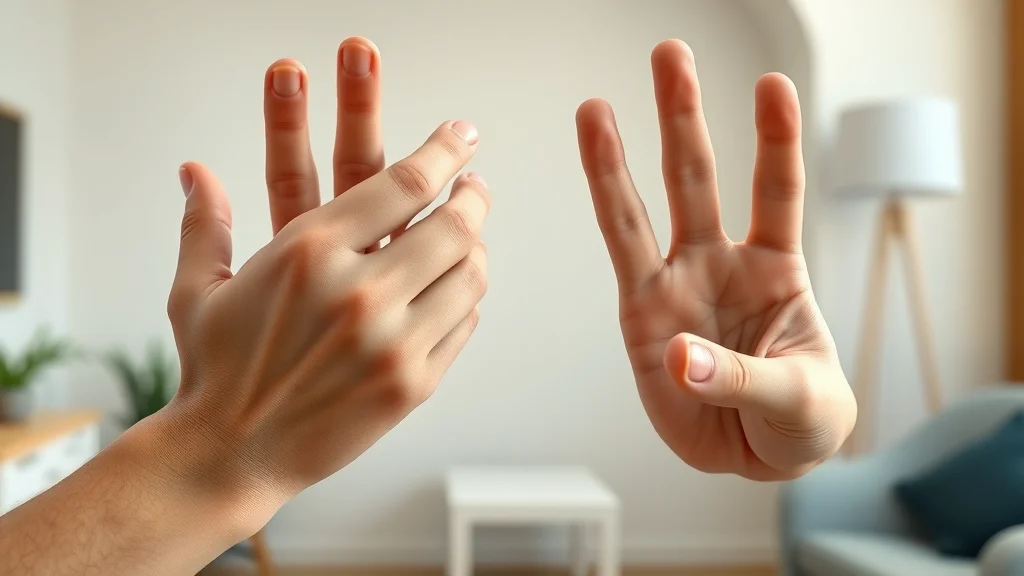
Hand clasp and magnetic hand techniques are foundational to rapid induction for a reason: they offer a visual and physical demonstration of suggestibility. Understanding the differences can empower both practitioners and participants to select the most suitable approach. The hand clasp method asks subjects to interlace their fingers and feel a wave of ‘glue’ or magnetism, making it hard to separate their hands—a classic test for suggestibility and imagination. The magnetic hand clasp takes this further by holding the hands apart and suggesting a powerful magnet is drawing them together, sometimes with fingers extended as “magnetic fingers. ” Each variation taps into the mind’s ability to create sensations and movements based on verbal cues, offering insight into how the imagination exercise can be harnessed for both entertainment and therapy. These tests not only demonstrate the ideomotor response, but also quickly identify receptive participants for deeper trance work.
- Hand Clasp Hypnosis: Hands interlaced and ‘locked’ through suggestion, often used as a suggestibility test.
- Magnetic Hand Clasp: Hands held apart, suggested magnetic pull draws them together, ideal for rapid induction and rapport-building.
- Magnetic Fingers: Index fingers held about an inch apart, drawn together as if pulled by an invisible force—subtle, yet remarkably effective.
The Magnetic Hands Induction Process: Step-By-Step Guide
Essentials of Hands Induction in Magnetic Hands Hypnosis
The magnetic hands induction technique is celebrated for its simplicity, speed, and the powerful magnet of suggestion it activates within the participant’s mind. Here’s how you can perform a classic rapid induction using magnetic hands hypnosis, whether for demonstration, a hands suggestibility test, or self-hypnosis practice. Begin by setting the intention and preparing the participant: create a relaxed, safe environment. Ask the person to place their hands in front of their body, palms facing each other, about eight inches apart. Use an induction script emphasizing “imagine a wave of magnetic energy flowing between your hands, drawing them closer and closer with every breath. ” As the participant focuses, watch as the hands begin to converge—often without conscious effort—due to the ideomotor response. As the hands touch, deepen the trance by suggesting a wave of relaxation floods their body, guiding them deeper and deeper into a state of hypnosis. The process is flexible and can be concluded as a demonstration or transitioned into a therapeutic session addressing goals such as stress relief or positive behavior change.
- Preparation: Setting the intention
- Step 1: Positioning the magnetic hands
- Step 2: Delivering the induction script
- Step 3: Observing the participant’s response
- Step 4: Deepening the trance or concluding the session

For those interested in how rapid induction techniques like magnetic hands hypnosis compare to other mind-focused practices, exploring the distinctions between hypnosis and meditation can provide valuable context. You can learn more about their unique mechanisms and benefits in this in-depth comparison of hypnosis versus meditation.
Video Guide: Watch the Magnetic Hands Hypnosis Rapid Induction Demonstration
See magnetic hands hypnosis in action as a certified practitioner demonstrates rapid induction, the magnetic hand clasp, and hands induction techniques on volunteers. Observing a live demonstration showcases how hand movements, facial expressions, and induction scripts interact to create powerful results in real time. If you’re learning, watching these nuanced details is invaluable in mastering the subtle cues that make the difference between an average and outstanding hypnosis session.
Science Behind Magnetic Hands Hypnosis and Rapid Induction
The effectiveness of magnetic hands hypnosis and rapid induction isn’t just stage magic—it’s grounded in well-established psychological principles like suggestion, focus, and the ideomotor response. Research in neuroscience reveals that when a suggestion is paired with a physical action, such as positioning the hands, the brain’s sensory-motor systems activate as if the experience is real. This explains why the sensation of 'magnetic pull' or 'wave of relaxation' feels genuine, even though no physical magnets are present. The rapid induction capitalizes on the mind’s ability to turn imagined experiences into physiological responses. In the context of therapeutic hypnosis, this means that a participant can be guided deeper and deeper into relaxation or a desired state more quickly than traditional, gradual methods. Studies further confirm that suggestibility is not a measure of gullibility but a natural, trainable aspect of the human mind—a key reason why hands induction is so widely used by professionals for screening, therapy, and entertainment.
| Method | Primary Use | Time to Induction |
|---|---|---|
| Magnetic Hands Hypnosis | Stage & Therapy | 2-5 mins |
| Hand Clasp | Demonstration & Screening | 2-3 mins |
| Magnetic Hand Clasp | Instant Rapport | 1-3 mins |

Benefits and Potential Risks of Magnetic Hands Hypnosis
- Rapid induction for efficient sessions
- Enhances participant engagement and responsiveness
- Minimal equipment needed—just the hands and imagination
- Potential for anxiety or discomfort in highly suggestible individuals if not managed skillfully
- Safety concerns for those with underlying neurological conditions or unstable psychological health
People Also Ask About Magnetic Hands Hypnosis
What is magnetic hypnosis?
Magnetic hypnosis refers to hypnotic techniques like magnetic hands hypnosis, where suggestion and imaginative focus are used to quickly induce a state of trance. Instead of physical magnets, the practitioner uses words and positioning to create the illusion of a magnetic pull or force between the hands. This approach is popular both as a hands suggestibility test on stage and as a genuine therapeutic tool, offering insight into the subject’s responsiveness and quickly leading them into a receptive, relaxed state.
Why do people put magnets in their hands?
In magnetic hands hypnosis, there are no actual magnets involved. Instead, the sensation of magnetism is created through suggestion—participants are told to “feel a powerful magnet” between their hands, creating an experiential illusion. This technique leverages the power of your imagination and ideomotor response, making the hands move as though influenced by a magnetic pull. The mind, engaged in the exercise, fills in the sensation, making the effect seem uncannily real and demonstrating the potency of the hypnotic process.

How to do the magnet hand trick?
The magnet hand trick is a classic demonstration of rapid induction. Start by having the participant place your hands about six to eight inches apart, palms facing each other. Guide them with a script focusing on the magnetic feeling between their hands, asking them to imagine their hands being irresistibly drawn together by a powerful magnet. As their hands begin to move and touch the palm of the opposite hand, confirm their susceptibility. For step-by-step details, see the induction guide above—this approach works because of suggestibility, the power of imagination, and the body’s natural ideomotor response.
Who should not be hypnotised?
While magnetic hands hypnosis is safe for most individuals, certain people should exercise caution. Those with a history of psychosis, specific neurological disorders, or those who are acutely uncomfortable with altered states of consciousness are advised to avoid hands induction methods without medical clearance. When in doubt, always consult a healthcare professional before attempting hypnotic techniques, especially in a therapeutic context.
Expert Quotes on Magnetic Hands Hypnosis
"Hands induction is one of the most effective rapid induction methods I use every day in clinical practice." — Angela Park, Clinical Hypnotherapist
Magnetic Hands Hypnosis in Practice: Real-World Applications
- Stage hypnosis shows: Dazzle and engage audiences with fast, visible results using magnetic hands and hand clasp techniques.
- Therapeutic fast-tracking: Move clients deeper and deeper into trance to resolve stress, habits, or anxiety rapidly.
- Self-hypnosis routines: Individuals can use magnetic hands to teach themselves quick relaxation and focus skills at home.
- Screening for susceptibility: Screen who is most likely to respond to hypnosis using hands suggestibility tests, ensuring successful results.

Video Example: Magnetic Hands Versus Hand Clasp Techniques
Want to see the differences in action? Watch side-by-side video demonstrations for a clear comparison between magnetic hands hypnosis and classic hand clasp techniques. You’ll quickly spot how each approach uniquely leverages suggestion, movement, and engagement—and how the choice of method can influence the speed and depth of hypnosis achieved.
Frequently Asked Questions about Magnetic Hands Hypnosis
- Is magnetic hands hypnosis safe? Yes, it is generally considered safe for most people when practiced by a trained professional. Those with certain psychological or neurological conditions should seek medical advice first.
- Can anyone master rapid induction? With study, practice, and attention to ethical guidelines, most people can learn and apply rapid inductions like magnetic hands hypnosis effectively.
- How long does hands induction last? Inductions typically last a few minutes. The resulting state of hypnosis can be maintained as long as needed for the session’s goals.
- Are magnetic hand techniques suitable for self-hypnosis? Absolutely. Many people use magnetic hands or magnetic fingers as a self-hypnosis routine to induce relaxation and focus quickly.
Key Takeaways from Exploring Magnetic Hands Hypnosis
- Magnetic hands hypnosis is a powerful, versatile rapid induction technique.
- Hand clasp and magnetic hand clasp share foundational principles with unique variations.
- Understanding the underlying science enhances safe and effective application.
Begin Your Journey: Try Magnetic Hands Hypnosis with Our Guided Audio Session
Ready to experience the mind’s power firsthand? Download our free guided audio session and try magnetic hands hypnosis at home—perfect for relaxation, boosting focus, or simply satisfying your curiosity. Discover just how quickly you can harness suggestion for real-world benefits!
Magnetic hands hypnosis offers a fascinating blend of science, psychology, and imagination—unlocking the potential of rapid induction for entertainment, therapy, and personal growth. Put these insights into practice to experience its benefits yourself.
If you’re eager to deepen your understanding of how hypnosis fits into the broader landscape of mind-body practices, consider exploring the nuanced differences and complementary benefits of hypnosis and meditation. Discover how each approach uniquely supports relaxation, focus, and personal transformation by visiting this comprehensive guide on hypnosis versus meditation. Whether you’re seeking to refine your technique or expand your toolkit for well-being, this resource offers valuable insights for both beginners and seasoned practitioners. Take the next step in your journey and unlock new perspectives on the art and science of mental mastery.




Write A Comment