

Have you ever wondered if the sound of your voice alone could gently nudge someone into a calmer state or even influence their deepest thoughts? The idea that your voice could hold such power feels almost mystical, yet science and expert practice suggest it’s not just possible—it’s a core foundation of modern hypnotherapy. Today, hypnotists, therapists, coaches, and even communicators are harnessing hypnosis voice techniques to connect with both the conscious and subconscious mind, unlocking new pathways for change and relaxation. This comprehensive guide will reveal how you can do the same, transforming the way you communicate and help others achieve lasting positive change.
Can Your Voice Truly Influence the Mind?
At first, the claim that a simple shift in your voice tone can tap into the unconscious mind or bypass critical faculty might sound like a tall order. But consider how a friend’s soothing whisper calms your nerves, or how a suspenseful speaker keeps you hanging on each word. In hypnotherapy, this effect is meticulously engineered through hypnosis voice techniques, aimed at bridging the gap between the conscious mind and subconscious mind. By skillfully modulating pace, rhythm, modulation, and inflection, hypnotists can create trance states where the brain becomes more receptive to suggestion and personal transformation.
Research in the realm of conversational hypnosis backs this up, showing that controlled, intentional vocal cues shape both psychological and physiological responses. During a hypnosis session, for example, the practitioner’s hypnotic voice can lower heart rate, encourage the client to close their eyes, and invite the critical faculty—the mental filter that guards against change—to relax. Through this process, language patterns, and suggestion delivery, true lasting change becomes possible. So, yes: your voice sounds—with the right technique—can absolutely become a tool for mental influence, healing, and growth.
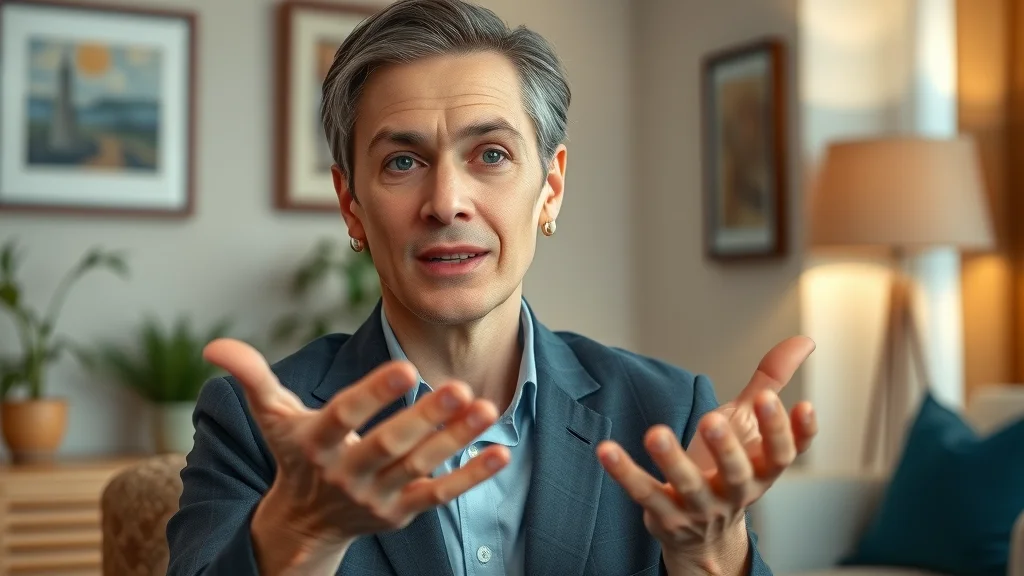
What You'll Learn About Hypnosis Voice Techniques
- What hypnosis voice techniques are after all
- How tone shapes subconscious and unconscious responses
- Key principles for building a hypnotic voice
- Step-by-step hypnosis techniques using voice
- Practical examples and expert insights
Introduction to Hypnosis Voice Techniques
Hypnosis voice techniques refer to the specialized use of vocal tone, language, rhythm, and speaking patterns to guide a listener into a state of focused relaxation or trance. Employing these techniques isn't just about “sounding” calming—it’s an orchestrated interplay between language, body language, breathing, and conscious intention. The ultimate goal is to connect with the subconscious mind, making it easier to deliver hypnotic suggestions that promote positive changes or therapeutic outcomes.
There are two primary ways professionals utilize hypnosis voice: direct and conversational. Direct approaches are characterized by clear, step-by-step instructions (“You are getting sleepy, your eyelids feel heavy…”), while conversational hypnosis techniques make use of natural language patterns and embedded commands, hidden within a regular conversation. Both aim to engage the conscious and unconscious mind, though they have distinct strengths and ideal settings as explained in the comparison table below.
For those interested in how conversational hypnosis can be applied in everyday communication, exploring the nuances of conversational hypnosis techniques can provide practical strategies for building rapport and subtly guiding outcomes. You can find a detailed breakdown of these methods and their real-world applications in our guide on conversational hypnosis techniques.
| Feature | Direct Hypnosis Voice Techniques | Conversational Hypnosis Voice Techniques |
|---|---|---|
| Style | Authoritative, scripted | Casual, flexible, natural |
| Pros | Quick to induce trance, clear instruction | Subtle, builds rapport, bypasses resistance |
| Cons | May trigger resistance, less rapport | Requires practice, less predictable timeline |
| Ideal Uses | Therapy session, formal hypnotherapy | Coaching, casual therapy session, daily life intervention |
Conversational Hypnosis: The Art of Hypnosis Voice Techniques
Conversational hypnosis is the art of blending hypnotic language into seemingly ordinary dialogue. This method leverages subtle shifts in tone, body language, and language patterns to gently coax the critical faculty aside, opening the door to the subconscious mind. Unlike direct induction, conversational hypnosis is non-authoritarian and focuses more on building rapport between hypnotist and listener. A skilled conversational hypnotist can maintain the client's eyes open during the session, guiding them into a hypnotic trance without overt instructions.
The effectiveness of conversational hypnosis voice techniques lies in their subtlety. Practitioners pay close attention to listener cues, synchronize their rhythm and breathing, and use indirect suggestions. Over time, this approach can produce lasting change and reinforce positive belief patterns by gently guiding the subconscious. It’s a technique that requires practice and self-awareness, but the results—a relaxed, responsive listener—speak for themselves.

Building Rapport with Your Hypnotic Voice
At the heart of conversational hypnosis is rapport. Building rapport means creating a sense of safety and trust, allowing the listener’s guard to gently lower. Effective hypnotists know that their voice sounds must match their intent and the emotional state of their client. They use a slower pace, soft modulation, and empathetic inflection to mirror their listener and foster connection. Body language, attentive eye contact, and relaxed gestures further reinforce this bond, paving the way for hypnotic suggestions to take root.
Matching your speaking rhythm, tone, and even breathing patterns to those of your listener can accelerate rapport. This resonance signals the subconscious and unconscious mind that it’s “safe” to explore change, making the process of delivering hypnotic suggestions or embedded commands significantly more effective. The payoff? A receptive, trusting environment where both overt and covert hypnosis can flourish.
How Hypnotic Voice Impacts the Conscious Mind and Subconscious Mind
The science behind hypnosis voice techniques shows that your hypnotic voice can simultaneously engage both the conscious mind and the deeper subconscious mind. The conscious mind acts as a gatekeeper, analyzing and filtering information—this is the realm of logic and reason or what some experts call the “critical faculty. ” Through hypnotic language and tone, skilled hypnotists can guide listeners past this faculty, allowing suggestions to reach the more receptive subconscious layers where beliefs, habits, and emotional patterns reside.
In practice, the hypnotic trance created by voice modulation and pacing places clients in a heightened state of focus and relaxation. This not only makes them more suggestible to positive change, but also helps quiet self-talk and anxiety that could disrupt therapeutic outcomes. By using language patterns, soft rhythm, and silence, hypnosis can trigger trance states even with eyes open, promoting deep shifts beneath conscious awareness.
“The hypnotic voice is less about projection and more about connection—with both the conscious and subconscious mind.” — Hypnosis Expert
Voice Tone as a Hypnosis Method: Step-by-Step Guide
Whether you’re conducting a formal hypnosis session or striving to become a more influential communicator, mastering voice tone as a hypnosis method follows a clear, deliberate process. Here’s how to put these powerful tools into action:
- Preparing your hypnotic voice for a hypnosis session: Begin with gentle breathing exercises and vocal warm-ups to cultivate a smooth, even tone. Pay attention to your voice sounds—aim for clarity, resonance, and calmness.
- Setting the environment and intention: Choose a quiet, comfortable setting and clarify your goals for the session, which could range from stress relief to building rapport or guiding towards positive change.
- Using induction hypnosis techniques with controlled tone: Start with calming statements in a slower pace, lowering the pitch and modulating rhythm to gradually induce trance or relaxation.
- Delivering hypnotic suggestions through conversational hypnosis voice techniques: Integrate subtle language patterns, embedded commands, and natural body language to invite relaxation and suggestion while maintaining the appearance of a regular conversation.
- Closing the session and reinforcing outcomes: Gently return the client to normal wakefulness, reaffirming the desired positive outcome and expressing appreciation.

Key Components of Effective Hypnosis Voice Techniques
- Pace and rhythm: Keeping a slower pace encourages relaxation, while rhythmic intonation soothes and focuses the listener’s attention. Shifting pace strategically can help indicate transitions or reinforce certain suggestions.
- Modulation and inflection: Varying your pitch and applying upward or downward inflections at key points enhances engagement and subtly signals importance or relaxation cues to the listener’s subconscious mind.
- Volume and pauses: Soft, even volume soothes anxiety, while well-timed pauses create anticipation, encourage trance state, and give the subconscious mind time to absorb suggestions.
- Breathing patterns: Matching or leading the client’s breathing can deepen rapport and help guide them into trance states more smoothly.
- Strategic use of silence: Pausing between thoughts or statements invites the listener to reflect and “fill in the gaps,” often reinforcing hypnotic trances and the internalization of positive change.
“Modulating your voice is the cornerstone of all effective conversational hypnosis techniques.”
The Science Behind Hypnosis Voice Techniques
Modern neuroscience and psychology both offer compelling support for the effectiveness of hypnosis voice techniques. Brain scans demonstrate that calm, rhythmic voice sounds actually change the brain’s electrical activity, shifting it into slower, more receptive states associated with relaxation, imagination, and suggestibility. This phenomenon is not limited to clinical settings—actors, public speakers, and skilled communicators have long recognized the power of a well-tuned, hypnotic voice.
Key research highlights how specific language patterns—such as embedded commands or indirect speech—are more readily accepted by the subconscious mind when delivered in the right tone and rhythm. By using conversational hypnosis, therapists and coaches help clients bypass the critical faculty, granting access to deeper beliefs and behavioral patterns. This process provides a scientific basis for how skilled use of voice can lead to positive change, from stress reduction and confidence-building to deeper therapeutic transformation.
Types of Hypnosis Techniques Using Voice Tone
Understanding the various types of hypnosis can help you choose the most suitable technique for any audience or goal. Here are the primary categories:
- Direct hypnosis techniques: Structured, command-based instructions delivered with authoritative voice tone—best for traditional hypnotherapy or clients needing clear guidance.
- Conversational hypnosis techniques: Blends regular conversation with hypnotic patterns, best for coaching, casual change work, or situations where subtlety builds greater rapport.
- Covert hypnosis: Undetectable influence in ordinary contexts, often used by skilled communicators or therapists to effect change without explicit induction. This taps deeply into the unconscious mind and bypasses resistance.
- Ericksonian hypnosis (indirect suggestions): Named after Milton Erickson, this method uses stories, metaphors, and indirect suggestions to inspire transformation—often within conversational hypnosis frameworks.
Covert Hypnosis and the Power of Subtle Suggestion
Covert hypnosis employs language patterns and vocal cues that are almost invisible to the conscious mind but work powerfully at the subconscious level. This type of hypnosis is often described as “hypnotic influence with eyes open,” as the listener may not realize they’re being hypnotically guided. By interspersing embedded commands and cues within conversational hypnosis, the practitioner can plant ideas, reinforce habits, or encourage decision-making—all while maintaining a seemingly normal conversation. Covert hypnosis, when practiced ethically, can create lasting change by tapping the unconscious mind’s immense potential for growth and adaptation.
Applications: Hypnosis Voice Techniques in Real-World Sessions
Hypnosis voice techniques are invaluable to coaches, therapists, and conversational hypnotists alike. In actual hypnotherapy sessions, practitioners might use a blend of direct and conversational approaches to fit their client’s needs. For example, a client struggling with anxiety may benefit from a calm, rhythmic voice to lower tension, followed by conversational suggestions tailored to their specific goals.
Counselors and wellness professionals commonly use these methods to guide clients through relaxation, foster positive change, or prepare for difficult transitions. On a daily level, even parents and teachers use basic conversational hypnosis when gently encouraging children or students toward certain behaviors. In each case, mastery of the hypnotic voice grows trust, engagement, and better outcomes—making it a core tool for all professional communicators.

Common Mistakes in Hypnosis Voice Techniques and How to Avoid Them
- Speaking too quickly: A rushed delivery can shatter the sense of safety needed for trance state. Always default to a slower pace, allowing room for subconscious acceptance.
- Inconsistent tone: Shifting unpredictably in pitch, speed, or emotion can confuse the client’s subconscious and break rapport. Practice even modulation and always stay intentional with vocal inflection.
- Lack of genuine rapport: Failing to connect authentically with your client often leads to resistance, especially in conversational hypnosis. Cultivate empathy and genuinely listen during sessions.
- Neglecting subconscious mind engagement: Focusing only on the conscious mind (logic, explanation) undermines the real power of hypnosis. Use stories, metaphors, and embedded suggestions to engage deeper mental processes for lasting change.
Developing Your Own Hypnotic Voice Style
Developing a personal hypnotic voice requires consistent practice and self-reflection. Start by recording your sessions and listening for areas where your voice sounds too monotone, rushed, or lacking in modulation. Experiment with different pacing, volumes, and inflections, seeking feedback from mentors or experienced conversational hypnotists. Over time, you’ll find a style that feels natural, yet powerfully engaging for both the conscious mind and subconscious mind. Attending specialized voice training workshops or studying with experienced hypnotherapists can accelerate your progress and help you refine the subtle cues that separate good hypnotists from great ones.
How to Make Your Voice Hypnotic
To make your voice truly hypnotic, strive for relaxation, clarity, and congruence between voice and intention. Begin with simple vocal warm-ups and mindfulness breathing exercises to center your body and mind. Practice speaking at a slower pace, using gentle rises and falls in your sentences to maintain interest. Pay attention to your own tension levels, adjusting your posture and facial expression for calm professionalism. Above all, remember that real hypnotic influence works best when it emerges from authentic connection, empathy, and a genuine desire for positive change in your listener.
People Also Ask About Hypnosis Voice Techniques
How to make your voice hypnotic?
Start by practicing vocal exercises that promote a calm, steady sound, such as long slow breaths and gentle humming. Focus on speaking at a slower pace and using a soft, rhythmic tone when delivering hypnotic suggestions. Modulation—varying your pitch and inflection—will help keep the subconscious mind engaged. Observe your body language and make it congruent with your words, as listeners unconsciously pick up on these cues during a hypnosis session.

Can hypnosis help with sleep apnea?
While hypnosis voice techniques alone may not cure sleep apnea—a condition requiring medical evaluation—they can certainly help some people reduce the anxiety and stress often associated with its symptoms. Guided hypnosis sessions may promote deeper relaxation, improved sleep habits, and sometimes even better adherence to therapy. Always coordinate hypnosis with medical care for sleep apnea or other health issues.
What words do you say to hypnotize someone?
Effective hypnotic words often include calm, positive statements such as “relax,” “imagine,” “deeper,” and “let go. ” However, conversational hypnosis focuses more on the delivery and timing of suggestions (“You may notice a feeling of calm as you breathe in”) than on specific magic words. Indirect language, metaphors, and embedded commands are more effective for engaging the subconscious mind than any word alone.
Does audio hypnosis actually work?
Audio hypnosis can be effective, especially when the recording uses proper hypnosis voice techniques: slow pacing, soothing tone, positive language patterns, and appropriate induction methods. Many people report significant benefits from professionally recorded hypnotherapy sessions for issues such as stress, sleep, and habit change. For more personalized results, working with a live conversational hypnotist is often recommended.
Expert Tips for Mastering Hypnosis Voice Techniques
- Practice voice exercises daily: Consistency boosts vocal control, modulation, and self-awareness.
- Record, listen, and analyze your hypnotic voice: Honest self-review is the fastest way to identify growth areas.
- Seek feedback from experienced hypnotists: Mentorship accelerates improvement and provides valuable perspective on your technique.
- Learn conversational hypnosis techniques: Study language patterns, pacing, and the strategic use of silence from expert sources.
- Attend hypnosis voice workshops: Hands-on practice builds muscle memory, confidence, and nuance in delivering hypnotic suggestions.
Key Takeaways: Hypnosis Voice Techniques
- Hypnosis voice techniques bridge conscious mind and subconscious mind
- Conversational hypnosis depends on rapport and vocal control
- Practicing tone and technique is essential for mastery

Frequently Asked Questions About Hypnosis Voice Techniques
-
How long does it take to develop a hypnotic voice?
With daily practice and feedback, most people notice significant improvement within a few weeks to months. Mastery comes from ongoing deliberate refinement—recording, listening, and adjusting over time. -
Can anyone learn hypnosis voice techniques?
Yes, nearly everyone can learn and improve these skills regardless of background. Patience, consistent practice, and openness to feedback are key. -
What type of training is recommended?
Consider voice coaching, hypnotherapy certification programs, conversational hypnosis workshops, and self-study through expert books and audio recordings. -
Is conversational hypnosis suitable for self-hypnosis?
Absolutely. Many self-hypnosis strategies rely on guided inner speech and paced self-suggestion, utilizing the same principles as conversational hypnosis voice techniques.
Enhance Your Practice With Hypnosis Voice Techniques Today
By mastering hypnosis voice techniques, you open doors to deeper connection, greater influence, and transformative results in both professional and personal interactions. Start practicing today—your voice can be the key to profound positive change.
If you’re eager to deepen your understanding of how hypnosis compares to other mind-focused practices, consider exploring the distinctions between hypnosis and meditation. Gaining clarity on their unique mechanisms and benefits can help you choose the right approach for your personal growth or professional toolkit. Discover how these two powerful modalities differ—and where they overlap—by reading our comprehensive comparison on hypnosis versus meditation. This next step will empower you to make more informed decisions and expand your mastery of transformative techniques.




Write A Comment